


By Rana Farooq Ashraf
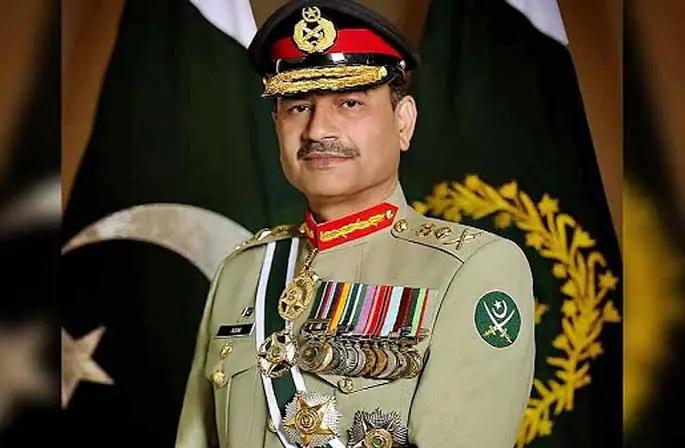
As the wheels of history turn, they leave behind footprints that serve as both a guide for future generations and a subject of intense debate. Recently, the visit to Tehran by Pakistan’s military chief—widely referred to in public circles as the ‘Field Marshal’ due to his extraordinary strategic stature—has sent ripples through international media and political corridors. This visit is being hailed by some as a historic first, claiming that a leader has entered a high-conflict war zone for the first time in history. While the move is undoubtedly courageous, an accurate understanding of history and the intellectual nurturing of our youth require us to look back at the archives to grasp the true essence of the facts. Bravery has always been a hallmark of Pakistani leadership, but claiming this as a unique first would be to overlook the monumental sacrifices of those who previously risked their lives for the survival of humanity and Islam in even more perilous conditions.
Read also: Faith, strategy and Pakistan’s evolving military role in the Muslim world
If we turn the pages of history back to 1994, we witness a scene that altered the course of global politics. It was February 3, 1994, when Pakistan’s first female Prime Minister, Mohtarma Benazir Bhutto Shaheed, alongside Turkish Prime Minister Tansu Çiller, achieved what the great powers of the time could not imagine. The Bosnian War was at its peak; Serbian forces were engaged in a brutal genocide of Muslims, and blood was being shed despite the presence of international peacekeepers. The capital, Sarajevo, had been under siege for two years, and the flickering light of life was fading. In those circumstances, these two fearless women defied all warnings from the United Nations and global powers to land in Sarajevo. They were warned that the airport was under Serbian control, their plane could be shot down, and the city was crawling with snipers, yet Benazir Bhutto’s resolve did not waver. Her visit was not merely a symbolic journey; it shook the world’s conscience so profoundly that U.S. President Bill Clinton was compelled to order military action against Serbian strongholds. This is the courageous history of Pakistan that saved Bosnia from being wiped off the map.
As we evaluate the current situation, the scenario in Tehran is no less grave. Iran is currently navigating a crisis where the aircraft of nuclear powers patrol its airspace, its leadership is being directly targeted, and the clouds of a wider regional war have darkened. In this explosive environment, the arrival of Pakistan’s military chief at Tehran airport in “combat uniform” (camouflage) is a deeply strategic message. This uniform was not a coincidental choice; it is part of a diplomatic language that both friend and foe understand perfectly. The Iranian delegation was received in the same uniform on April 11, whereas in civilian forums like Venice, the chief appeared in a suit. This conscious use of the uniform reflects that Pakistan is currently in an active defensive and diplomatic position, declaring its solidarity with its neighbor in a practical, tangible way.
In the realm of diplomacy, this visit is being viewed as a “Strategic Shield.” International relations experts know that when the military head of a nuclear power is present in a country under threat, that presence itself becomes an invincible defense. His presence in Tehran provided the Iranian leadership with a security blanket that perhaps even a missile defense system could not offer. It sent a clear message: as long as Pakistan’s representative is on Iranian soil, any aggressor will think a hundred times before launching a missile, because targeting the military chief of the world’s only Islamic nuclear power is a red line that would invite a global catastrophe. This presence allowed the Iranian leadership to emerge from their secure shelters and engage in direct dialogue to make critical decisions regarding the region’s future.
Moving beyond the textbooks of diplomacy, this visit marks a journey from being a “Mediator” to becoming a “Guarantor.” Pakistan is currently acting as a bridge between Tehran and Washington, not just relaying messages but offering a guarantee of peace. This is a task that cannot be accomplished through phone calls or letters; it requires physical presence and looking an interlocutor in the eye. Winston Churchill’s journey to Moscow in 1943 amidst German bombing was for the same reason—that face-to-face meetings are indispensable for building trust. Today, Pakistan is playing that same role in the Middle East. This bold move will be remembered in history for acting as both a human and strategic shield to prevent a potential global conflict. It is a testament to the fact that Pakistan’s military and political vision is no longer limited to its own defense but has become a guarantor of regional peace.
In conclusion, we must keep our younger generation informed of the facts so they can distinguish between the grandeur of the past and the courage of the present. Mohtarma Benazir Bhutto’s visit to Bosnia remains an unforgettable reality that inscribed Pakistan’s name in gold in the annals of global history. Today’s visit to Tehran is a continuation of that legacy, blending bravery, foresight, and tactical brilliance. There is a strong hope that the efforts initiated under the “Islamabad Process” will not only lead to regional peace but also yield fruits for Pakistan’s economy and energy sector. When there is peace in the region, our economic wheels will turn faster, and Pakistan will emerge as a stable and prosperous state. Insha’Allah, this visit will prove to be a milestone in history, signaling to the world that Pakistan is a champion of peace and fully cognizant of its rights and responsibilities.


