


By Rana Farooq Ashraf
There are moments in history that redefine the destiny of nations and leave a lasting impact on the international order. The recent diplomatic developments surrounding tensions in the Middle East have created one such moment. At a time when the region appeared to be moving toward a potentially devastating conflict, Pakistan emerged as an important voice for dialogue, restraint, and peace. This development has not only enhanced Pakistan’s international standing but has also highlighted the leadership qualities of Field Marshal Syed Asim Munir.
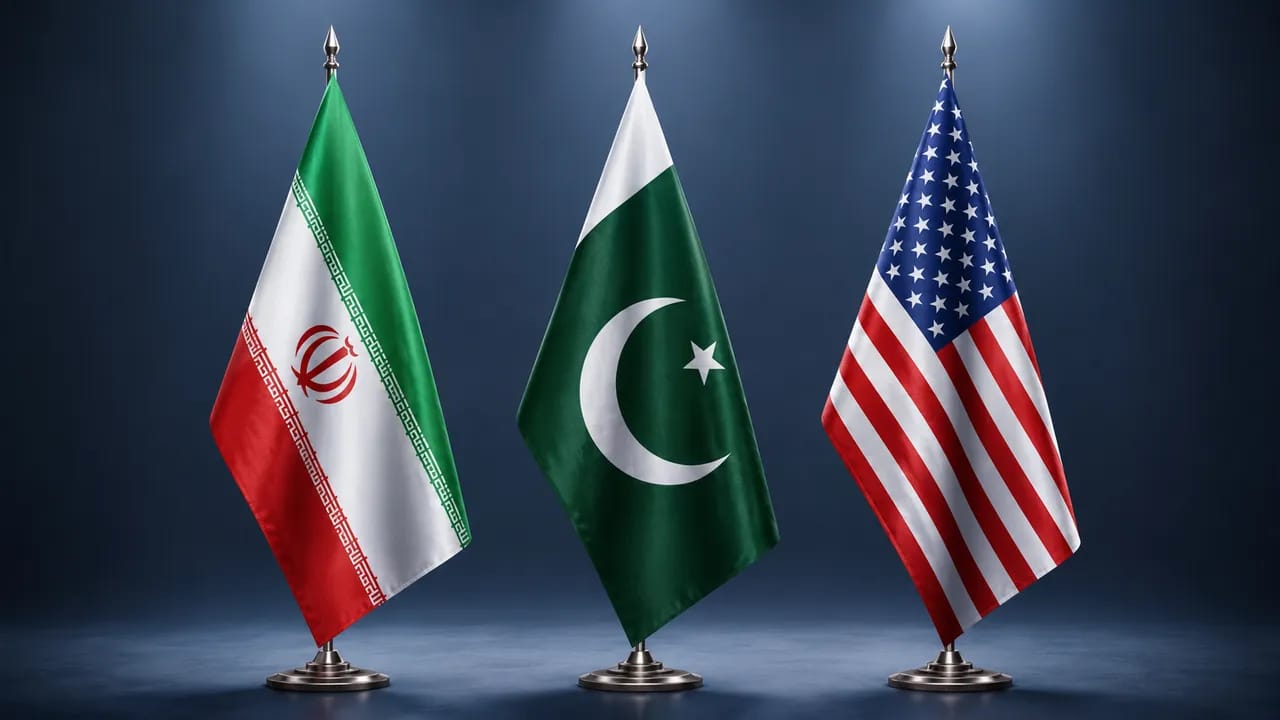
As tensions between major regional and international actors escalated, concerns grew across the world about the possibility of a wider conflict. Such a confrontation would have threatened regional stability, disrupted global energy supplies, and created serious economic consequences far beyond the Middle East. Against this backdrop, Pakistan adopted a balanced and responsible approach, emphasizing diplomacy over confrontation and dialogue over escalation.
The success of Pakistan’s diplomatic engagement reflects the coordinated efforts of the country’s political and state institutions. Prime Minister Shehbaz Sharif, the Ministry of Foreign Affairs, and national security institutions worked in close cooperation to support peace and stability. Among the key figures associated with this effort was Field Marshal Syed Asim Munir, whose leadership, strategic vision, and commitment to regional stability played a significant role in shaping Pakistan’s approach.
Prime Minister Shehbaz Sharif publicly acknowledged the contributions of Field Marshal Asim Munir, praising his dedication, perseverance, and unwavering commitment during a critical period. According to the Prime Minister, the Field Marshal devoted countless hours to supporting efforts aimed at reducing tensions and promoting a peaceful path forward. Such recognition reflects the confidence and trust placed in his leadership at a time of immense regional uncertainty.
One of the most significant aspects of Pakistan’s role has been its ability to maintain constructive engagement with all relevant stakeholders while consistently advocating for peace. Rather than becoming part of regional rivalries, Pakistan positioned itself as a responsible and credible actor focused on conflict prevention and regional stability. This approach has strengthened the country’s reputation and demonstrated the maturity of its foreign policy.
Field Marshal Syed Asim Munir’s leadership has also underscored an important reality of modern geopolitics: national security is no longer defined solely by military strength. In today’s interconnected world, diplomacy, economic cooperation, strategic communication, and international partnerships are equally important components of national power. By supporting diplomatic initiatives and encouraging dialogue, Pakistan reinforced its image as a nation committed to peaceful solutions and regional cooperation.
The broader implications of these developments extend beyond diplomacy. Reduced tensions in the Middle East have the potential to stabilize international energy markets and ease concerns about global economic disruption. For countries like Pakistan, which are heavily influenced by fluctuations in oil and gas prices, regional stability carries substantial economic significance. Greater stability can contribute to improved investor confidence, lower energy costs, and a more favorable environment for economic growth.
Pakistan’s constructive role has also enhanced its standing within the Muslim world and the wider international community. The country’s ability to facilitate communication and encourage dialogue between parties with differing interests demonstrates its growing diplomatic relevance. This credibility can strengthen Pakistan’s position in future regional and international initiatives aimed at promoting peace and cooperation.
Another noteworthy aspect of Field Marshal Asim Munir’s leadership is his emphasis on national unity and institutional coordination. Effective diplomacy requires more than negotiations; it demands a coherent national strategy supported by political leadership, security institutions, and diplomatic professionals. Pakistan’s ability to present a unified and consistent message on the international stage contributed significantly to its growing influence and credibility.
Leadership is often tested during times of crisis, and history remembers those who choose wisdom over confrontation and stability over uncertainty. The recent diplomatic efforts associated with Pakistan’s leadership demonstrate the importance of strategic patience, measured decision-making, and a long-term vision for regional peace. These qualities have helped strengthen Pakistan’s image as a responsible state committed to stability and constructive engagement.
Today, as the world continues to seek solutions to complex geopolitical challenges, Pakistan’s experience highlights the value of diplomacy as a tool for conflict prevention. The country’s efforts have shown that meaningful engagement, mutual respect, and dialogue can create opportunities for peace even in the most challenging circumstances.
Field Marshal Syed Asim Munir’s leadership has become an important part of this evolving narrative. Through strategic thinking, commitment to national interests, and support for peaceful engagement, he has helped reinforce Pakistan’s position as a constructive force in international affairs. If this momentum continues, Pakistan will be well-positioned to play an even greater role in promoting regional stability and global peace in the years ahead.
The true measure of leadership is not merely the ability to prevail in times of conflict but the wisdom to prevent conflict altogether. In that regard, the role associated with Field Marshal Syed Asim Munir will be remembered as an important chapter in Pakistan’s continuing journey toward greater diplomatic influence and international respect.


