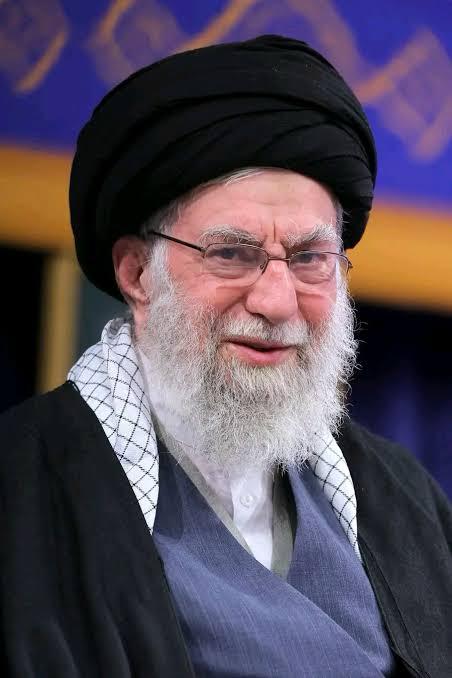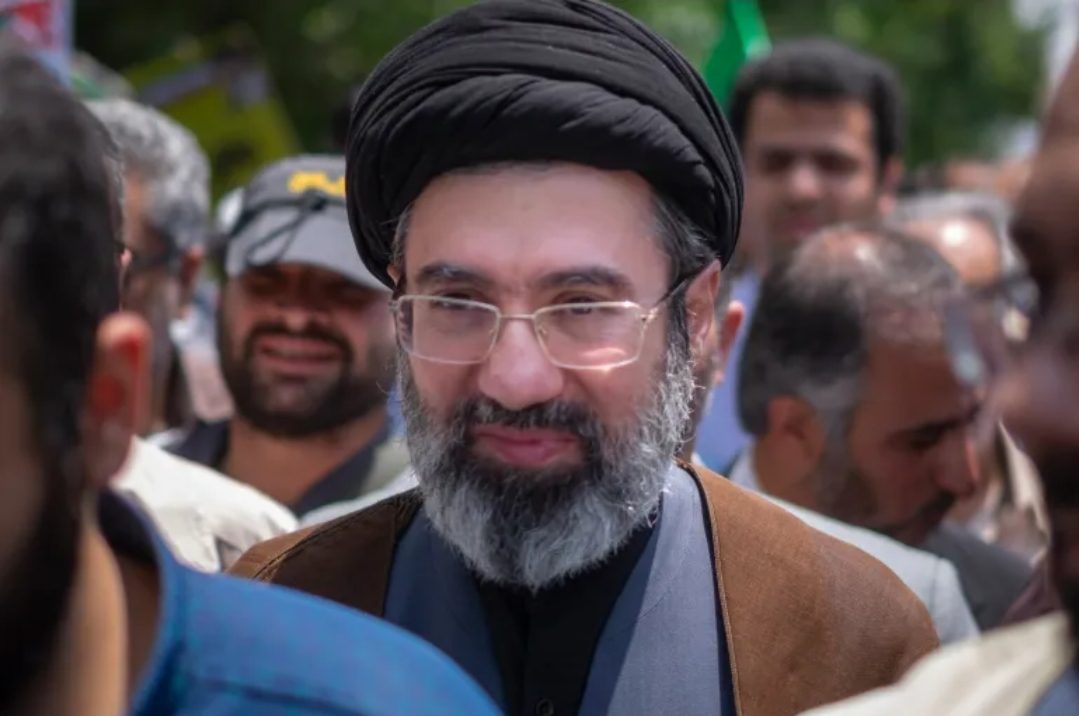



TEHRAN (Web Desk) – Iran has appointed Mojtaba Khamenei as the country’s new Supreme Leader, slightly more than a week after the killing of his father, Ayatollah Ali Khamenei, in joint United States-Israeli air strikes that triggered a major regional war.
The 56-year-old cleric was officially selected by Iran’s Assembly of Experts on Sunday to lead the Islamic Republic during what many analysts describe as the most serious crisis since the country’s 1979 revolution.
Senior Iranian political and military leaders quickly expressed their support for the decision. The powerful Islamic Revolutionary Guard Corps (IRGC) and the armed forces pledged loyalty to the new leader.
Ali Larijani, secretary of Iran’s Supreme National Security Council, urged national unity and called on the country’s institutions to rally behind Mojtaba Khamenei. Parliamentary Speaker Mohammad Bagher Ghalibaf also welcomed the appointment, saying that following the new supreme leader was both a “religious and national duty”.
Mojtaba Khamenei has never held public office or participated in elections, but he has long been considered an influential figure within Iran’s political and religious establishment. For decades he remained part of his father’s inner circle and developed strong connections with the IRGC.
Political analysts say his appointment signals continuity within Iran’s leadership and could strengthen hard-line factions in the country. Some observers believe this may reduce the chances of negotiations with the United States and Israel as the conflict continues.
Ali Khamenei, who ruled Iran for 37 years, was killed in a strike on Tehran on February 28, shortly after the start of the war involving Iran, the United States, and Israel. His death intensified tensions across the Middle East and raised fears of a prolonged regional conflict.
US President Donald Trump has said Washington would try to influence the selection of Iran’s next leader and warned that any leader not acceptable to the United States “would not last long”. Iranian officials rejected the statement, insisting that the country’s leadership will be chosen solely by Iranians.
Iranian lawmakers also dismissed foreign interference in the leadership transition, emphasizing that the nation alone will decide its political future.