


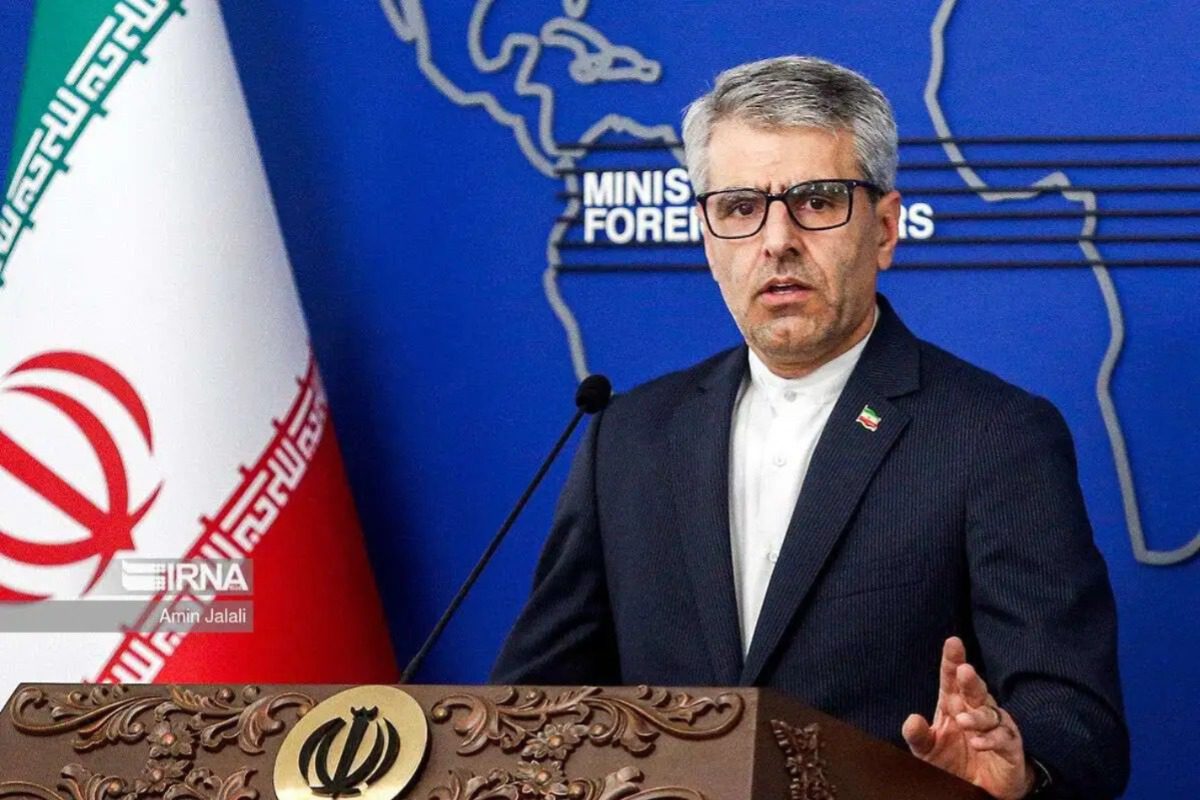
TEHRAN (Agencies) – Iranian Foreign Ministry spokesperson Esmaeil Baghaei has described the assassination of Iranian commanders, scientists, and senior figures as a “major crime” against the Iranian people, saying Tehran will continue to raise the issue at international forums and seek accountability from those it holds responsible.
Speaking at a press briefing, Baghaei said the Foreign Ministry will “follow everything” related to the incidents and ensure that what Iran describes as attacks on its leadership and scientific community remain on the global agenda. He said Tehran intends to “ask for the heavy price” from those behind such operations, adding that Iran would “never forgive” what it considers targeted killings.
He stated that the issue is not only a government position but also, according to him, a “continuing demand of the Iranian people.” Baghaei added that Iran would use “all available tools and means” in diplomacy and international engagement to document and highlight these cases, insisting that Tehran will not allow the matter to fade from global attention.
Describing the incidents in strong terms, he said Iran considers the killings a “big crime” and reiterated that the Foreign Ministry will continue efforts to present its case at global platforms, including international organisations and diplomatic gatherings. He said the matter remains an “ongoing issue” in Iran’s foreign policy approach.
Baghaei further said that Iran will consistently raise what it describes as violations and attacks linked to Israel and the United States, framing the issue as part of broader regional tensions. He said Tehran’s strategy includes sustained diplomatic pressure and continuous engagement in international fora to ensure accountability, according to Iran’s position.
He added that Iran’s response will remain diplomatic but firm, stressing that the country will continue to highlight what it views as unlawful actions against its officials and citizens. According to him, these developments have had a lasting impact on Iranian society and remain central to national grievances.
In related remarks during the same briefing, Baghaei also commented on regional diplomatic developments, including potential visits to neighbouring countries ahead of discussions related to a memorandum of understanding (MoU) between Tehran and Washington. He said such visits would be part of ongoing consultations and that details would be announced when finalized.
He also said that ending the war in Lebanon is linked to broader diplomatic efforts under the proposed understanding, describing it as part of a wider regional framework being discussed through diplomatic channels. He added that Iran supports efforts toward a ceasefire and claims it has demonstrated practical commitment to the objective.
Separately, Baghaei criticised the International Atomic Energy Agency (IAEA), accusing it of failing to respond appropriately to what Iran describes as attacks on its nuclear facilities. He said the international community and relevant institutions “did not do their job,” and claimed they have not adequately addressed US and Israeli actions against Iranian sites.
He further stated that Iran will “never forget” the loss of its commanders, scientists, and civilians, reinforcing that these events will remain central to its diplomatic messaging.
The briefing reflects Iran’s continued strong rhetoric on regional security issues, nuclear concerns, and diplomatic negotiations, as tensions remain high across multiple fronts in West Asia.


