


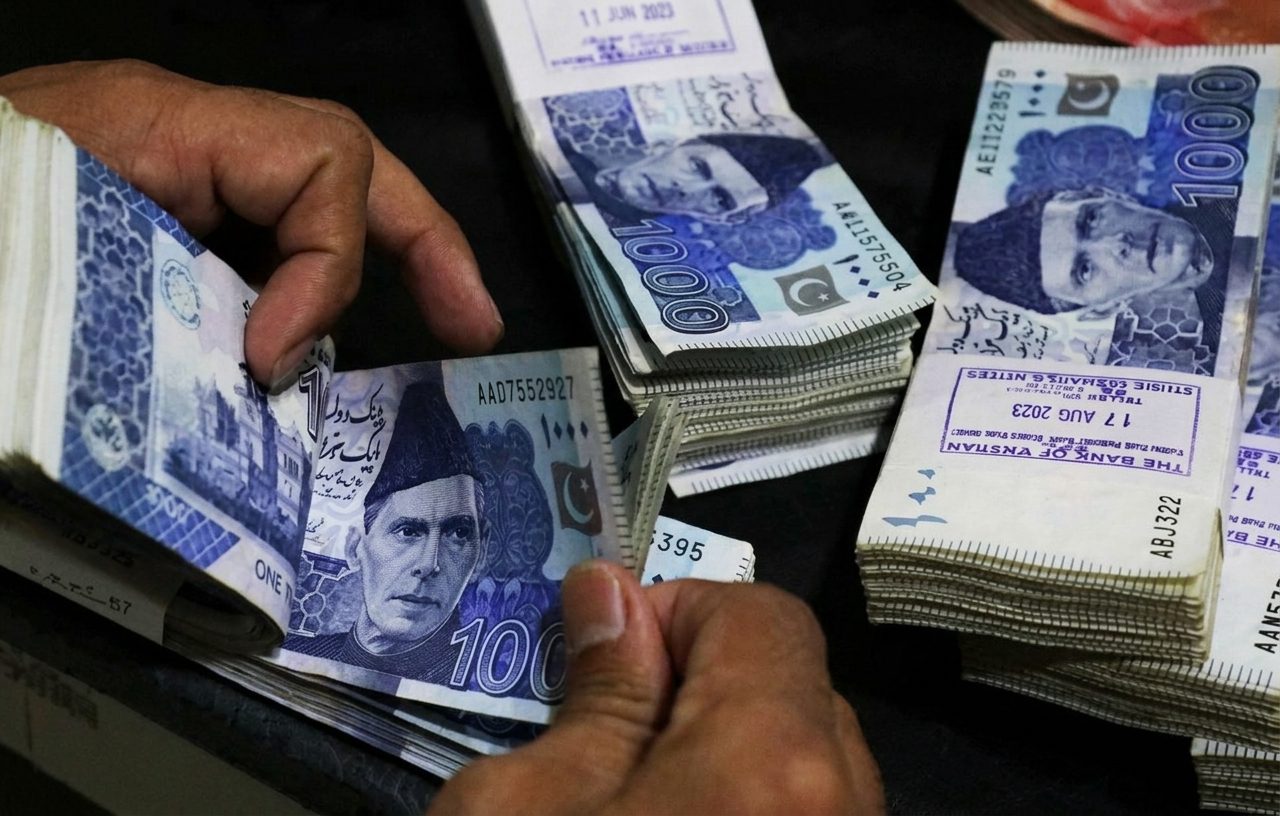
ISLAMABAD (Web Desk) – Pakistan’s four provinces have provided grants amounting to Rs57.46 billion to the federal government during the first quarter of the current fiscal year, marking an unprecedented development in the country’s intergovernmental financial arrangements.
The transfers, made under Article 164 of the Constitution, represent an unusual reversal of the traditional financial relationship between the Centre and provinces, which generally involves federal transfers to provincial governments to support development and administrative expenditure.
Official financial documents indicate that the provincial contributions were made as part of a broader budgetary arrangement under which the four provinces have committed to providing a combined Rs1.035 trillion to the federal government during the current financial year.
The arrangement reflects an effort to strengthen federal revenues and support the government’s overall fiscal position amid continuing pressure on public finances.
Punjab is expected to make the largest contribution, amounting to Rs555.7 billion, followed by Sindh with Rs263.7 billion.
Khyber Pakhtunkhwa has committed Rs157 billion, while Balochistan is expected to contribute Rs58.6 billion.
The provincial grants are being calculated on the basis of additional revenue generated by the Federal Board of Revenue (FBR) beyond the collection recorded in the previous financial year.
The amount has been incorporated into the federal budget under the category of non-tax revenue, providing an additional source of financing for the Centre.
The initial transfer of Rs57.46 billion during the first quarter represents an important step towards fulfilling the provinces’ overall financial commitments for the year.
However, the remaining amount will depend on revenue performance and the implementation of the agreed fiscal arrangements during the coming quarters.
The arrangement is particularly significant because it demonstrates the use of a constitutional provision that allows governments at both federal and provincial levels to extend financial assistance to one another.
Article 164 of the Constitution authorises the federal government and provincial governments to provide grants for different purposes, including projects and initiatives considered important for national development.
Officials have clarified that these grants are separate from the National Finance Commission (NFC) Award and do not form part of the regular revenue-sharing mechanism between the Centre and provinces.
The NFC Award determines the distribution of financial resources between the federal government and provincial administrations, taking into account constitutional arrangements and agreed revenue-sharing formulas.
In contrast, grants under Article 164 are voluntary in nature and can be extended independently of the NFC distribution system.
The distinction is important because provincial financial contributions under the current arrangement do not automatically change the constitutional framework governing the distribution of national revenues.
Pakistan’s fiscal structure has remained under pressure because of high debt servicing costs, expenditure requirements, development commitments and the need to maintain economic stability.
The federal government faces considerable financial obligations, including debt repayments, defence expenditure, public-sector development programmes and transfers to different institutions.
At the same time, provincial governments are responsible for major public services, including education, healthcare, local development, infrastructure and law and order.
The new financial arrangement therefore raises important questions about coordination between the federal and provincial governments and the long-term sustainability of public finances.
Economists generally consider stronger fiscal coordination between different levels of government important for improving revenue collection, controlling expenditure and ensuring efficient utilisation of public resources.
However, the success of such arrangements depends on transparency, clear financial responsibilities and an equitable distribution of development resources.
Provincial governments will also need to balance their financial commitments to the Centre against their own development priorities and administrative requirements.
Punjab, as the largest contributor under the arrangement, is expected to provide more than half of the total provincial grants, reflecting its comparatively larger revenue and economic base.
Sindh’s contribution is also substantial, while Khyber Pakhtunkhwa and Balochistan will provide smaller amounts according to their respective commitments.
The development could encourage further discussions on improving fiscal cooperation and developing more effective mechanisms for sharing additional revenues between the federal and provincial administrations.
It also highlights the importance of constitutional flexibility in addressing changing economic circumstances without necessarily altering the existing revenue-sharing framework.
With the provinces having committed Rs1.035 trillion for the current financial year, the pace of future transfers and the federal government’s ability to meet its revenue targets will remain important indicators of the arrangement’s effectiveness.
The coming quarters will show whether the unprecedented financial cooperation can provide sustained support to federal finances while allowing provincial governments to maintain their development and public service commitments.