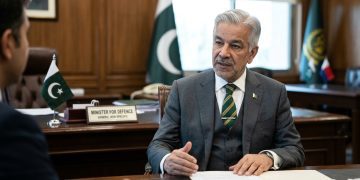



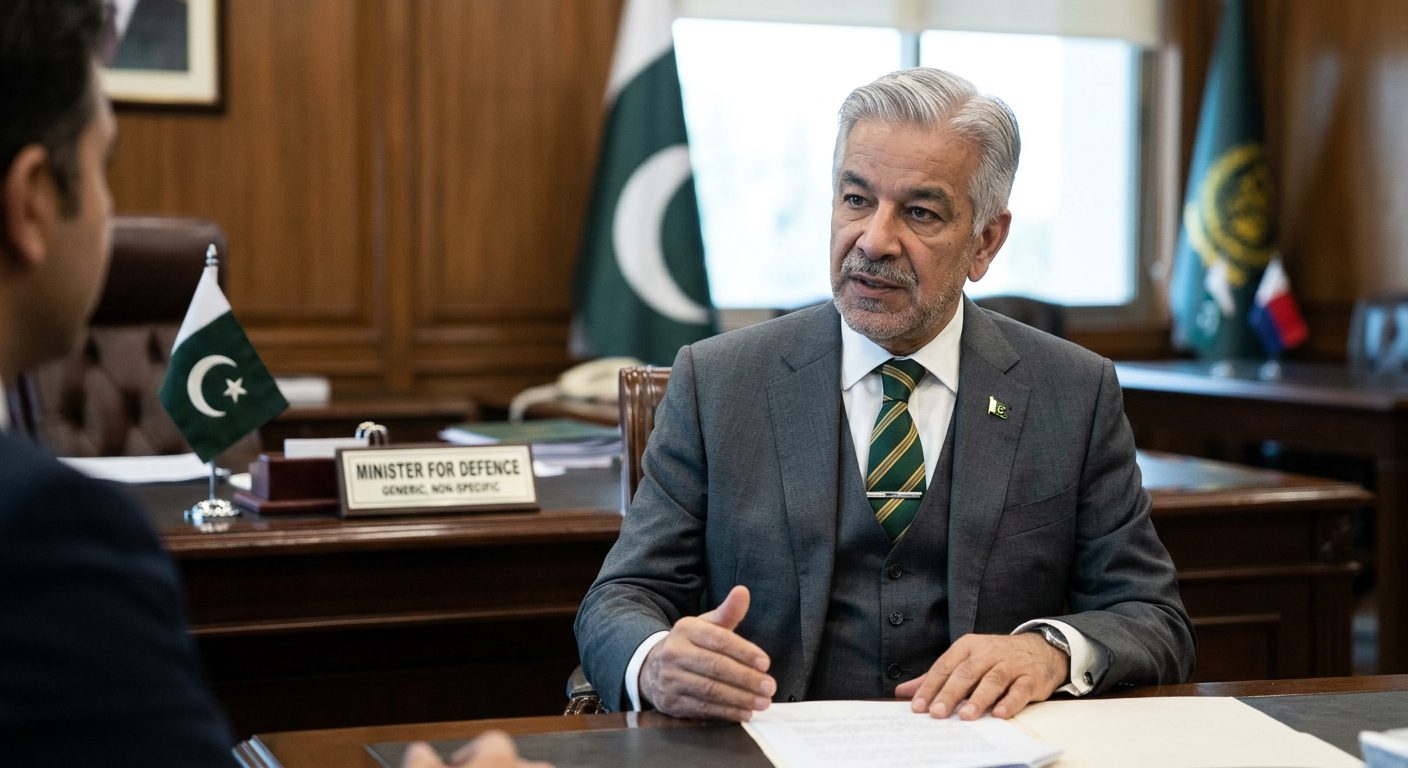
ISLAMABAD (Web Desk) – Pakistan’s political leadership is intensifying efforts to build consensus on the creation of new provinces, with Defence Minister Khawaja Asif expressing confidence that a new administrative framework could begin taking shape before the end of the year.
Asif’s remarks have revived a longstanding debate over the country’s provincial structure, with government leaders increasingly highlighting administrative decentralisation, improved governance and public representation as possible benefits of establishing additional provinces.
Speaking during a television interview, the defence minister said discussions involving major political parties had made encouraging progress and that an agreement could emerge within the coming weeks.
He indicated that the New Year could bring significant political and administrative developments, although he stopped short of outlining a specific implementation plan or confirming how many new provinces might be established.
The minister stressed that political consensus would be essential for moving forward, arguing that leaders from all four existing provinces should participate in the discussions.
He said political parties should be included regardless of their current parliamentary representation, suggesting that a broad-based agreement would provide greater legitimacy to any proposed restructuring.
Asif also maintained that creating additional administrative units would not necessarily undermine the interests of existing political parties. Instead, he described the proposal as an opportunity to improve governance and address longstanding regional grievances.
Pakistan currently comprises four provinces — Punjab, Sindh, Khyber Pakhtunkhwa and Balochistan — alongside the Islamabad Capital Territory and federally administered territories.
The debate over creating more provinces has persisted for years, particularly in regions where political representatives and local communities have demanded greater administrative autonomy and improved access to government services.
Punjab has remained a major focus of the discussion, with demands for a separate southern province frequently raised by political leaders. Similar proposals have emerged in other parts of the country, including urban Sindh and different regions of Khyber Pakhtunkhwa and Balochistan.
Federal ministers have recently supported the idea of consulting the public through a referendum, arguing that citizens should have a direct role in deciding whether new provinces are necessary.
Federal Health Minister Mustafa Kamal has advocated a referendum on the matter, describing the coming political period as significant for the country’s administrative future.
Interior Minister Mohsin Naqvi has also supported public consultation, saying a referendum could provide a way forward if political parties agree on the process.
However, the proposal remains politically sensitive, particularly in Sindh, where concerns have previously been expressed over attempts to divide the province. Questions surrounding provincial identity, resources, representation and political influence are likely to shape future negotiations.
A proposal to reorganise the country into as many as 12 provinces has also been discussed in political circles. Under one suggested arrangement, Punjab could be divided into four units, while Khyber Pakhtunkhwa and Balochistan could each have three provinces and Sindh two.
The proposal has not received formal approval, and no final boundaries or administrative arrangements have been announced.
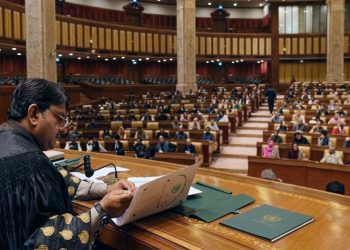
Constitutional experts say the establishment of new provinces would require a clearly defined legal process and extensive political agreement. Under Article 239 of Pakistan’s Constitution, a constitutional amendment affecting the limits of a province requires approval by a two-thirds majority of the total membership of the affected provincial assembly, in addition to the required parliamentary process.
This requirement means that political negotiations will be crucial, particularly where proposed changes involve the territorial boundaries of existing provinces.
Asif also suggested that the evolving political environment could create an opportunity for Pakistan Tehreek-e-Insaf founder Imran Khan to return to mainstream politics if an understanding is reached.
His remarks indicate that the proposed administrative reforms could become part of wider political negotiations involving the country’s major parties.
The defence minister referred to efforts by senior political figures, including former president Asif Ali Zardari and PML-N President Nawaz Sharif, to develop agreement on the issue.
Despite the optimism expressed by government representatives, significant questions remain unanswered, including the number of proposed provinces, their boundaries, financial arrangements and the distribution of administrative powers.
Political observers are likely to closely monitor the coming weeks as negotiations continue.
For now, the government’s challenge will be to translate political statements into a workable constitutional proposal that addresses regional demands without deepening existing political and ethnic divisions.
Whether the discussions produce a concrete agreement before the New Year will depend largely on the willingness of political parties to compromise on one of Pakistan’s most consequential administrative questions.