


KARACHI (Web Desk) – The debate over the creation of new provinces and administrative restructuring in Pakistan has gained momentum, with political leaders calling for public consultation while government circles consider changes to the governance structure of the federal capital.
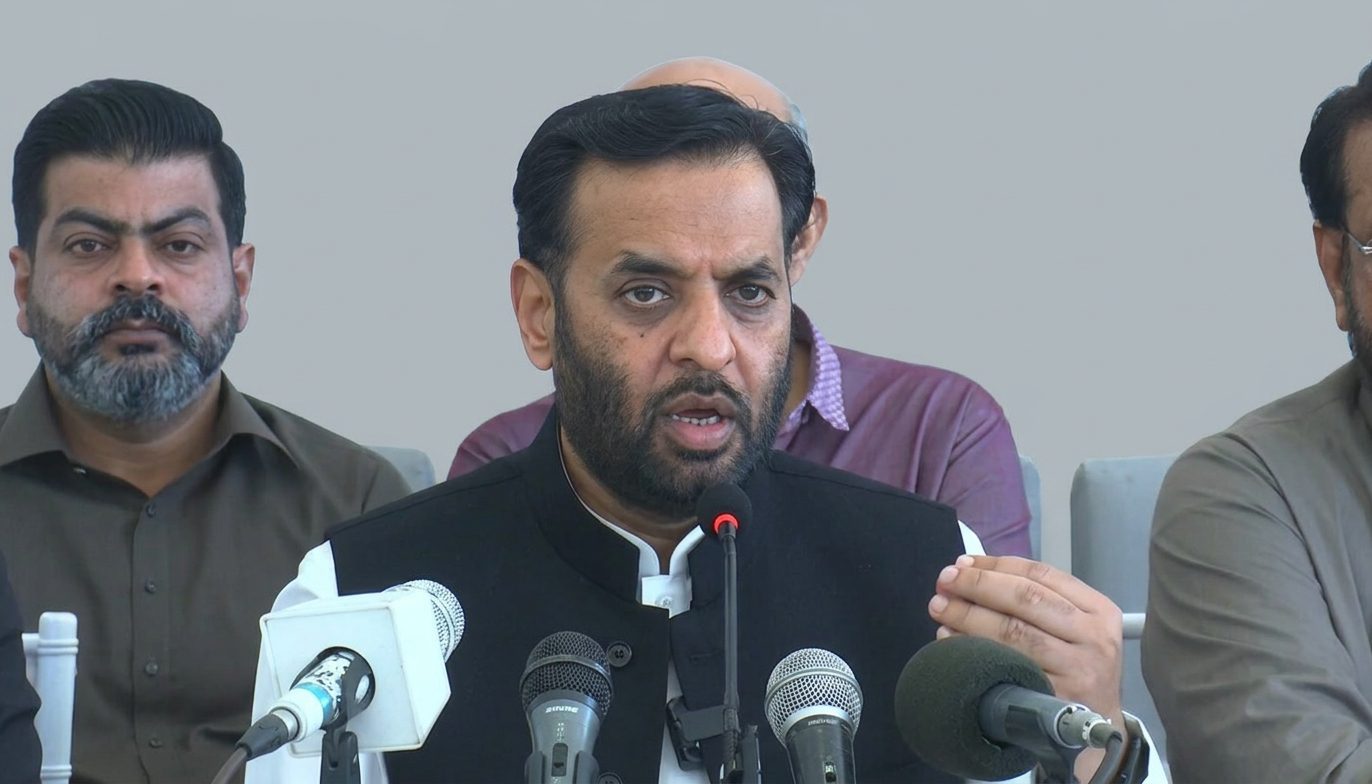
Muttahida Qaumi Movement-Pakistan (MQM-P) leader and Federal Health Minister Mustafa Kamal has called for a referendum on the creation of new provinces, describing December as a potentially significant month for advancing the proposal.
Addressing party workers and office-bearers in Karachi’s District Central, Kamal said Pakistan was approaching an important political and constitutional juncture, adding that long-standing demands for administrative reforms could now move towards practical implementation.
He maintained that decisions regarding new provinces should reflect the aspirations of the people and accused opponents of the proposal of attempting to create divisions among different linguistic communities in Karachi and other parts of Sindh.
The MQM-P leader argued that administrative restructuring should be viewed as a governance issue rather than a confrontation between ethnic or linguistic groups.
He also called for an end to what he described as feudal, landlord and capitalist dominance in the country’s political and economic systems, saying ordinary citizens needed greater representation and access to public resources.
Kamal questioned the political claim of any single party to represent the entire population of Sindh and criticised political groups opposing the formation of new administrative units. His remarks are likely to further intensify political differences over the future administrative structure of the province.
Meanwhile, proposals concerning the administrative status of Islamabad have added another dimension to the wider discussion on governance reforms.
Government sources indicate that a new administrative framework for the federal capital is under consideration, which could give Islamabad a special territorial or model administrative status.
Under the proposed arrangement, the federal capital could have a distinct governance structure headed by a mayor, supported by an elected representative body comprising between 25 and 30 members.
The proposed framework is intended to establish a more organised administrative system, improve municipal services and strengthen local representation in decision-making.
Another significant aspect of the proposal involves the possible expansion of Islamabad’s geographical boundaries.
Areas of Haripur district in Khyber Pakhtunkhwa, parts of Rawalpindi and certain localities of Murree are among the areas reportedly being considered for inclusion in the expanded administrative territory.
However, the proposals remain under consideration, and no final decision has been announced regarding the boundaries or the constitutional arrangements required for such changes.
Plans to incorporate Gwadar or other coastal ports into Islamabad’s administrative structure have reportedly been excluded from the current discussions.
The renewed debate has also drawn attention to statements by senior government figures supporting public consultation on the creation of additional provinces.
Interior Minister Mohsin Naqvi has described a referendum as an appropriate mechanism for determining public opinion on the issue, stressing that political consensus would be necessary before proceeding with any major restructuring.
He has also emphasised the need to engage all major political parties, including the Pakistan Peoples Party and Pakistan Muslim League-Nawaz, to avoid political confrontation over the proposed changes.
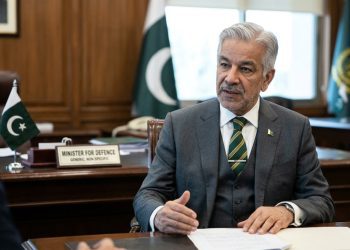
Defence Minister Khawaja Asif has expressed support for creating additional provinces on administrative grounds, suggesting that Pakistan could even consider establishing as many as 12 provinces if there were sufficient justification.
The proposals have revived discussions about reorganising the country’s existing four-province structure to improve governance, public service delivery and administrative efficiency.
One proposal reportedly envisages dividing Punjab into four provinces, while Khyber Pakhtunkhwa and Balochistan could each be reorganised into three provinces. Sindh could potentially be divided into two administrative units.
Supporters of provincial restructuring argue that smaller administrative units could bring government institutions closer to citizens, reduce pressure on provincial capitals and improve the distribution of development funds.
They also maintain that decentralisation could strengthen local governance and address longstanding complaints about unequal access to public services, infrastructure and economic opportunities.
However, the proposals have raised important constitutional, political and territorial questions, particularly concerning provincial boundaries, resource distribution, representation and the protection of existing provincial identities.
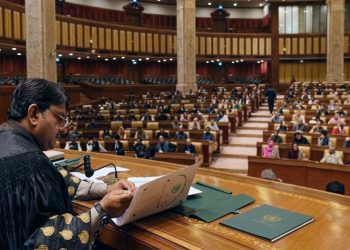
Under Pakistan’s constitutional framework, the creation of a new province requires a prescribed parliamentary process, including approval by the relevant provincial assembly with the required two-thirds majority and subsequent approval by Parliament.
Political consensus and consultation with affected communities are therefore expected to remain central to any future initiative.
Despite growing political discussion, the government has yet to announce a final framework, implementation timetable or officially approved map for the proposed administrative changes.
The coming weeks could prove important in determining whether the renewed debate develops into a formal constitutional initiative or remains part of the country’s broader political discussion on decentralisation and governance reform.