


By Our Correspondent
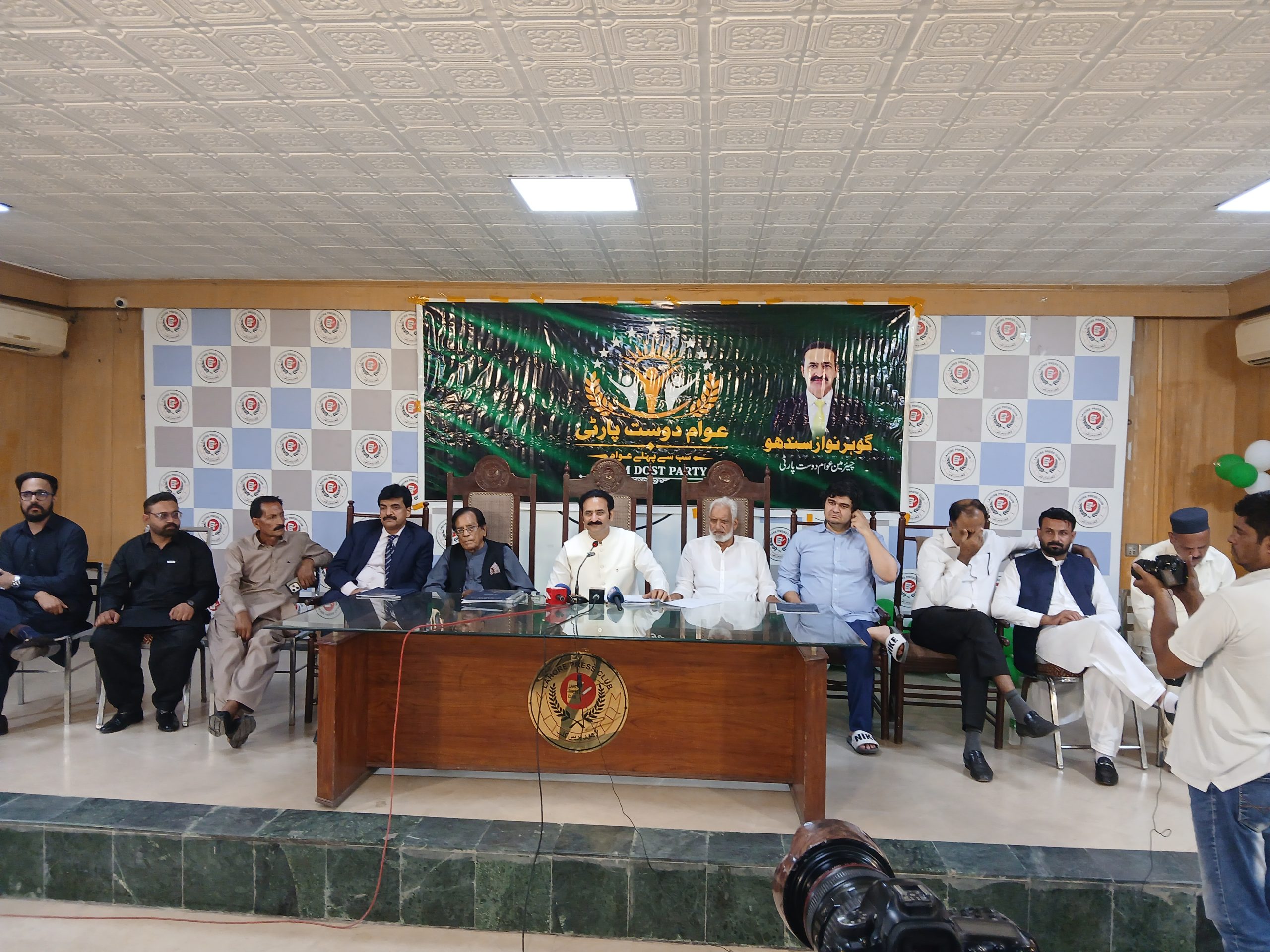
LAHORE: Awam Dost Party Chairman Gohar Nawaz Sindhu on Saturday unveiled his party’s political philosophy and proposed governance framework, declaring that Pakistan needs a “people-first” system built on merit, integrity, institutional strength and delivery of basic services rather than personality-driven politics.
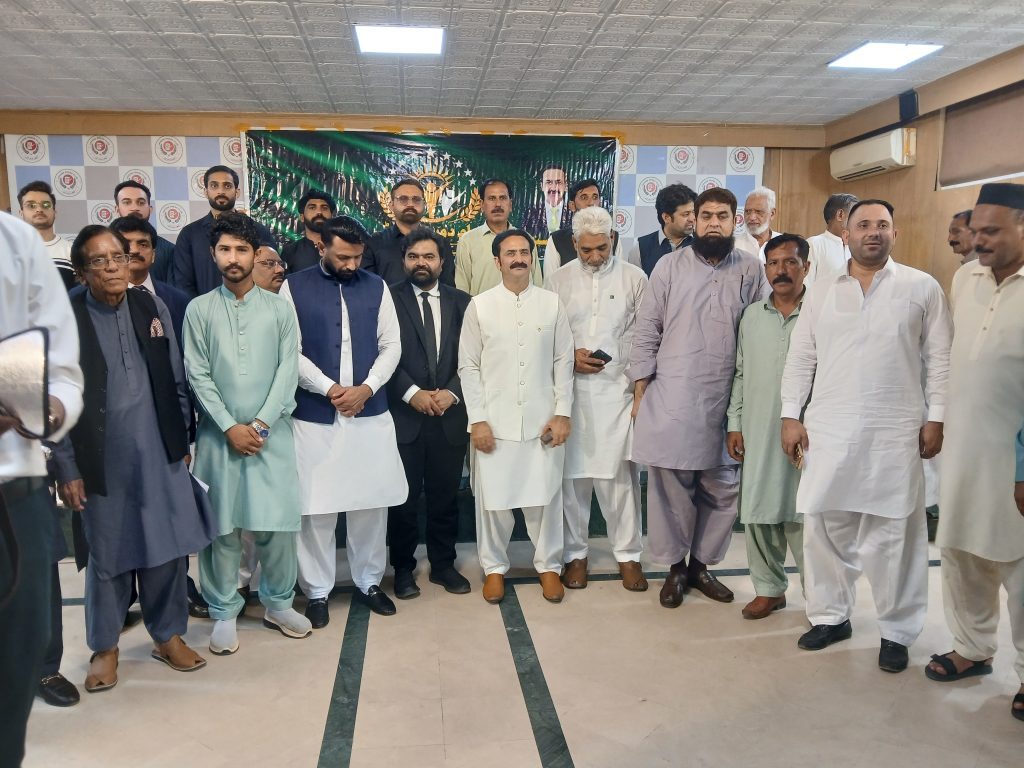
Presenting the party’s vision at its first press conference and inaugural ceremony in Lahore on Aug. 29, Sindhu said the Awam Dost Party would pursue what he described as “political pragmatism” under the central principle, “The People Come First.”
Sindhu said the party was not being presented merely as another political organisation but as an alternative political approach aimed at placing citizens at the centre of policymaking.
“Whatever benefits Pakistan should be supported, and whatever harms the country should be opposed, irrespective of which political party or institution proposes it,” he said, according to the party document.
A major element of Sindhu’s programme is an overhaul of political leadership. He argued that Pakistan needs a new generation of leaders selected on integrity, merit, character, competence, public service, problem-solving ability and commitment to the country.
Sindhu said leadership should not be determined by political dynasties, wealth or influence. The party intends to encourage farmers, professionals, entrepreneurs, teachers, doctors, workers and other capable citizens to participate in politics and public decision-making.
Governance and public services
Sindhu proposed a leaner and more efficient state, saying government exists to serve citizens rather than burden them with unnecessary procedures and expenditure.
The party’s programme calls for digital government services, transparent working procedures, merit-based administration, institutional accountability and easier public access to government offices.
Sindhu also placed education and healthcare among the party’s highest priorities. The programme advocates free education at the basic level, improvement of government schools, teacher training, scholarships, free books for deserving students, technical and digital education and equal educational opportunities for girls and boys.
On healthcare, the party proposes improved public hospitals, free emergency treatment, rural and urban health centres, vaccination programmes, availability of essential medicines, ambulance services and greater transparency in the health system.
“No citizen should be denied treatment because of poverty,” the party document says.
Jobs, economy and social protection
Sindhu said a sustainable economy capable of generating employment would form another pillar of the party’s agenda. The party identifies export-oriented industries, agriculture and food processing, textiles, information technology, engineering, pharmaceuticals, manufacturing, minerals and the services sector as priority areas.
It also proposes assistance for small and medium enterprises, simpler business regulations and encouragement for new industries.
For vulnerable citizens, Sindhu’s programme envisages social protection measures including pensions and subsidies, financial assistance for low-income people, housing support, rehabilitation of homeless citizens and assistance for widows, disabled people and families affected by disasters.
Justice, police reforms and overseas Pakistanis
Sindhu said Pakistan could not progress without strong institutions, accessible justice and a professional police system. The party supports digital courts, reducing case backlogs, eliminating unnecessary delays and increasing ordinary citizens’ access to justice.
Police reforms proposed by the party include professional policing, modern training and technology, merit-based promotions and stronger protection of citizens’ rights.
Sindhu also highlighted the contribution of overseas Pakistanis, calling for improved consular services, protection of their property, better investment facilities and greater recognition of their role in the national economy.
He said peaceful political expression must be protected and citizens should be able to exercise democratic rights without unnecessary restrictions.
Concluding his presentation, Sindhu said the Awam Dost Party wanted to build a Pakistan where every child could receive quality education, every citizen could access healthcare regardless of income, farmers and workers could live with dignity, young people could find employment without political connections and citizens could obtain justice without influence.
Sindhu said the party’s slogan, “The People Come First,” represented not merely an electoral catchphrase but its political philosophy and commitment to place public welfare above personalities and partisan interests.


