


By Commerce Reporter
LAHORE: Stakeholders, representatives of various business sectors and customs clearing agents association, at a session at the Lahore Chamber of Commerce and Industry, underscored the need to make the valuation system transparent, fair and aligned with ground realities. They also discussed concerns regarding unrealistic and inconsistent valuation of imported goods, delays in customs clearance, lengthy review procedures, and difficulties faced by importers, industrialists and customs clearing agents.
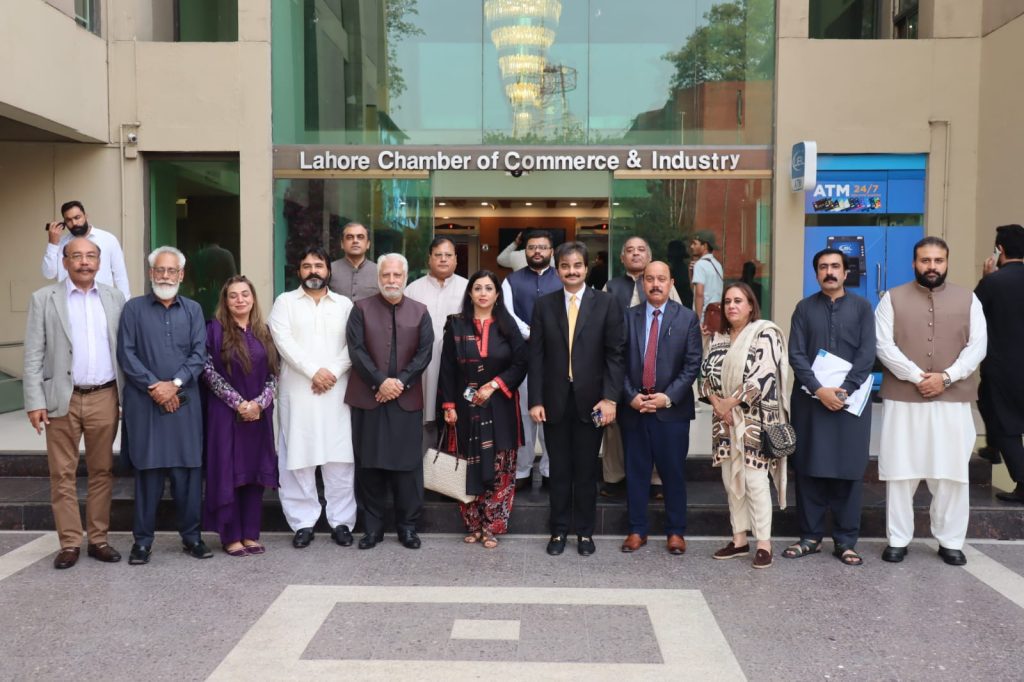
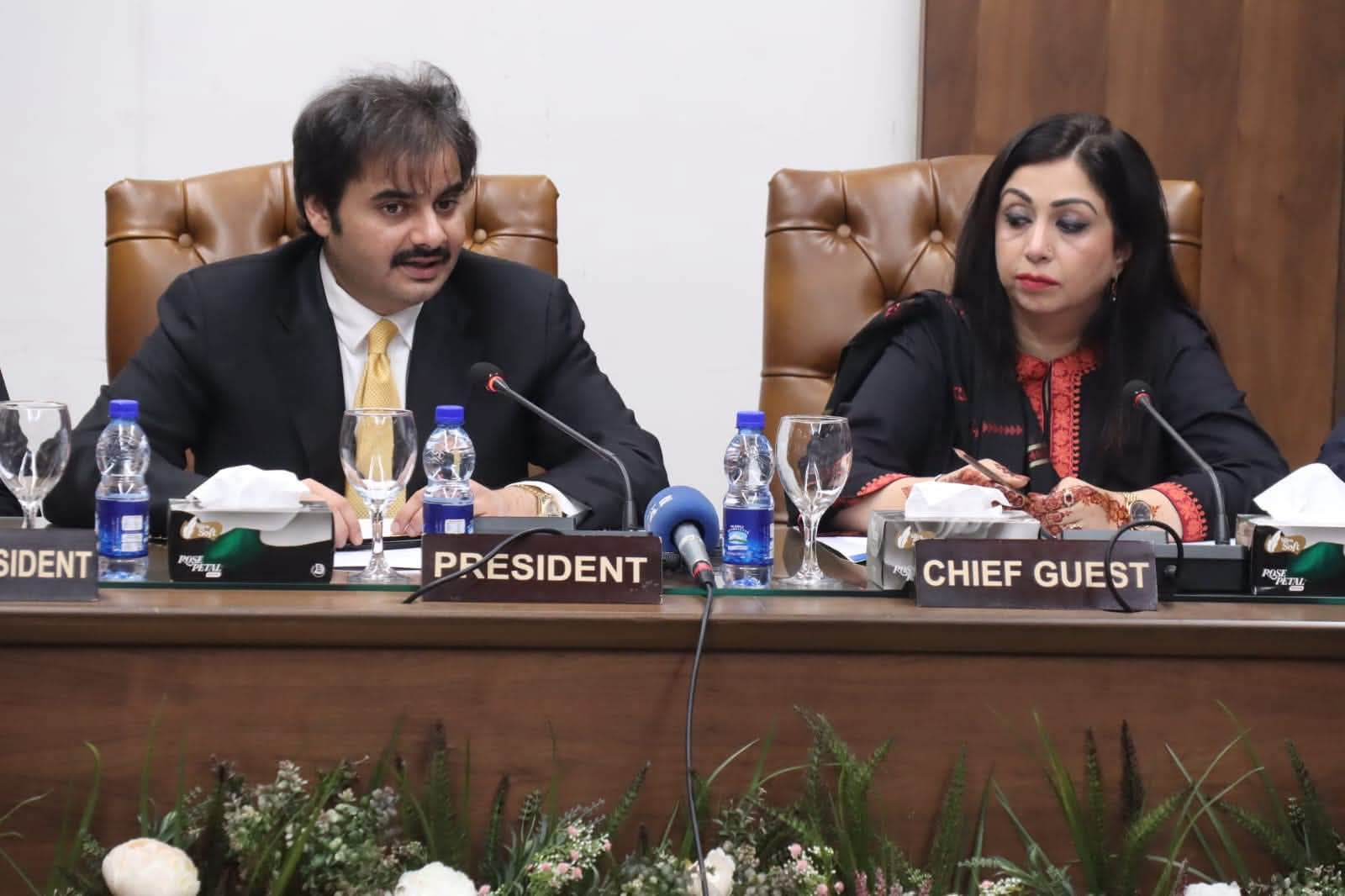
The session was chaired by LCCI President Ali Hussam Asghar. Director, Directorate General of Customs Valuation, Lahore, Saima Aftab, LCCI Senior Vice President Sardar Usman Ghani, Vice President Chaudhry Khadim Hussain, Chairman, All Pakistan Customs Clearing Agents Association, Masood Ahmed Wain and representatives of various business sectors spoke on the occasion.
Read also: LCCI President Ali Hussam Asghar, Chinese envoy discuss trade and investment opportunities
Former LCCI Vice President Haris Atiq, Executive Committee Members Huma Junaid, Muhammad Ijaz Ghori, Naila Nadeem, and Muhammad Umar Abdullah Chaudhry, along with customs clearing agents’ representatives Jasim Siddiq, Agha Iftikhar, Mirza Qasim, Imran Asghar and others were also present.
Saima Aftab consensus among all stakeholders is important to maintain a balance between the interests of the trading and importing sectors so that benefits could not be restricted to any single segment. She agreed with the LCCI’s viewpoint that the valuation mechanism should take into account the interests of commercial importers, local manufacturers and other business sectors. Expressing her commitment to continuing the consultation process, she said regular engagement would help authorities understand the ground realities of different sectors and make balanced decisions.
LCCI President Ali Hussam Asghar said that transparency, consistency and actual market prices must be considered when determining the valuation of imported goods. He said effective consultation with relevant stakeholders should precede any changes in valuation. He added that unnecessary delays in customs clearance were affecting business activities and called for a faster and more efficient clearance process.
Senior Vice President Sardar Usman Ghani said unrealistic valuation of imported goods increased duties and taxes, raising the cost of doing business and adversely affecting local industries and exports. He stressed the need for a comprehensive review of customs valuation practices and continued engagement between the business community and relevant authorities.
He pointed out that determining the classification or valuation of different steel grades and imported components without understanding their technical specifications could create serious difficulties for industrialists. He said that the actual composition, grade, application and international market prices of products must be technically assessed before making valuation decisions. He further added that decisions based on incorrect technical reports, incomplete information or inaccurate product descriptions could cause serious problems for importers and entire industries. Customs authorities, he said, should protect legitimate business interests alongside safeguarding government revenue.
LCCI Vice President Chaudhry Khadim Hussain also emphasized the need for a highly transparent customs valuation mechanism. LCCI office-bearers said that the valuation of certain imported goods was sometimes based on internet listings or local retail prices instead of authentic international trade data, creating the risk of unrealistic assessments.
They said that historical import records, actual transaction values and authentic data from exporting countries should be given due consideration, particularly in cases involving products that had been regularly imported over the years.
Participants also expressed concern over different valuation rates being applied to the products imported by different businesses. They called for uniform, transparent and clearly defined valuation criteria. They further highlighted the need to review internet-based assessments, lengthy review and appeal procedures, unnecessary detention of consignments and the separate valuation of retail packaging.
The stakeholders also highlighted the difficulties faced by Punjab-based traders, who often have to travel to Karachi to complete certain import-related procedures, resulting in a loss of time and resources. They called for improved facilities at the local level and effective arrangements in Lahore to address these issues.