



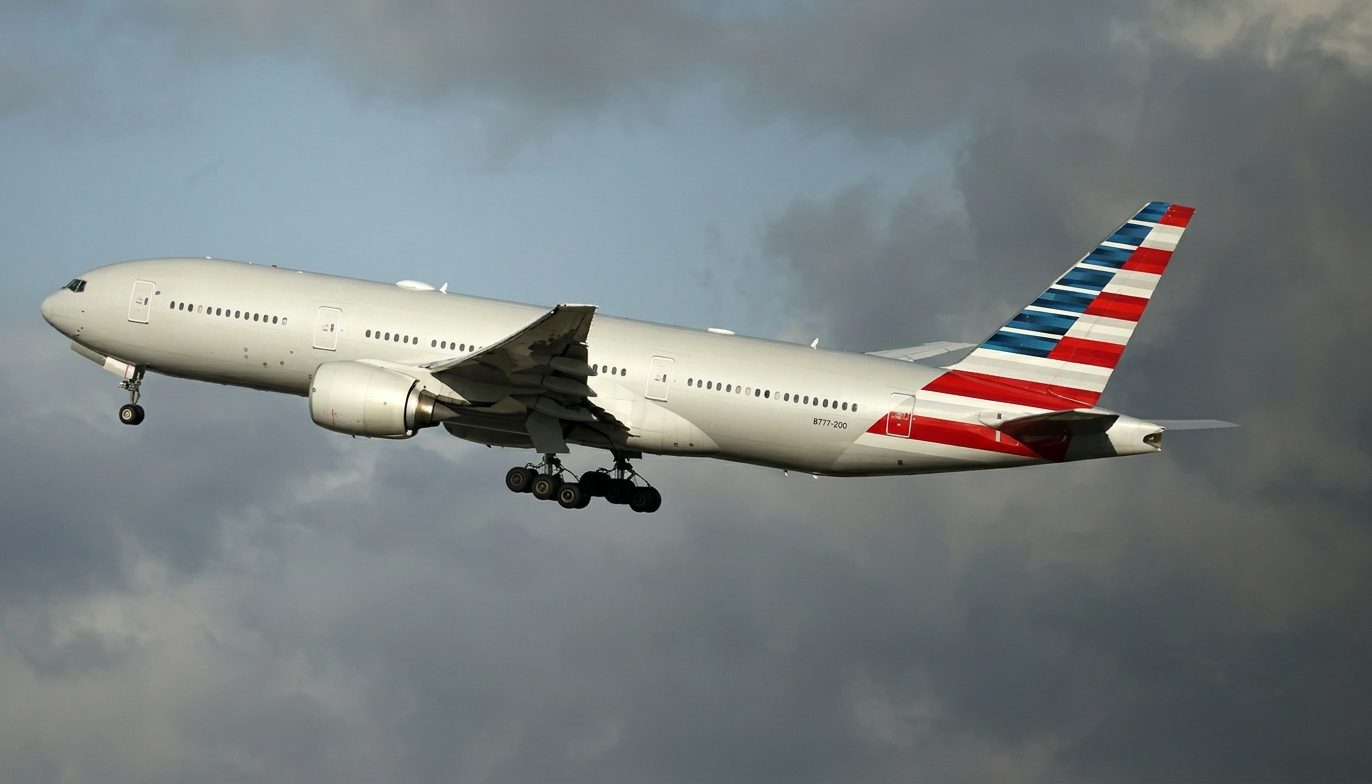
The Federal Aviation Administration (FAA) lifted the unprecedented ground stop after more than four hours, but the disruption continued to affect airline operations, leaving thousands of passengers stranded and forcing carriers to reorganise flight schedules.
The outage, which began on Friday afternoon, affected communications at air traffic control facilities across the country. The FAA ordered a nationwide suspension of departures at 3:54 pm Eastern Time as a precaution, citing concerns over the ability of controllers to safely coordinate aircraft movements.
Although the restrictions were subsequently lifted, the incident exposed vulnerabilities in a system responsible for managing thousands of daily flights across one of the world’s busiest aviation networks.
Flight-tracking data indicated that more than 4,700 flights were cancelled and approximately 10,000 delayed on Friday. A further 700 cancellations had already been recorded for Saturday, as airlines struggled to restore normal operations.
The disruption also affected international aviation, with flights departing from Canada and Europe experiencing cancellations and delays because of the restrictions on arrivals into the United States.
Investigation focuses on communications failure
US authorities said there was no immediate evidence that the incident had resulted from a deliberate cyberattack or other malicious activity.
Homeland Security Secretary Markwayne Mullin said investigators were examining possible explanations, including a telecommunications failure and potential problems involving newer technology used in aviation operations.
He said there was no indication that the disruption represented a deliberate attack against the country, while stressing that authorities were continuing to examine all possible causes.
The FAA said technicians were investigating the communications problem and working to restore affected operations.
During the shutdown, aircraft already airborne were permitted to continue towards their destinations and land safely. Incoming international flights were handled individually, while departures remained suspended until aviation authorities considered operations sufficiently safe to resume.
The agency said all flights had been accounted for, although congestion at airports created additional challenges for arriving aircraft and ground operations.
Airlines struggle to restore normal schedules
Major US carriers, including United Airlines and American Airlines, faced significant operational difficulties as the shutdown disrupted aircraft movements, crew schedules and passenger connections.
Passengers experienced lengthy waiting times at departure terminals, while some travellers were required to remain aboard aircraft or return to airport gates after departures were suspended.
Airlines warned that the consequences could extend beyond Friday, with aircraft and crew members displaced from their planned schedules.
Aviation analysts said restoring normal operations after a nationwide shutdown could take several days, particularly as airlines attempted to reposition aircraft and accommodate passengers whose journeys had been cancelled.
The incident was only the second nationwide ground stop since the September 11, 2001 attacks. In January 2023, the FAA temporarily suspended domestic departures after a computer failure affected its Notice to Air Missions system.
That earlier disruption lasted approximately 90 minutes, considerably shorter than Friday’s shutdown.
Ageing infrastructure faces renewed scrutiny
The latest incident has intensified pressure on US authorities to accelerate the modernisation of air traffic control infrastructure.
Much of the country’s aviation technology relies on ageing equipment and communications systems that have faced repeated criticism over reliability and maintenance.
Transportation Secretary Sean Duffy and White House budget director Russell Vought have urged Congress to approve an additional $30.1 billion for improvements to airports and the national air traffic control network.
The proposed investment would support modern telecommunications infrastructure, updated hardware and software, improved control towers and wider airport upgrades.
Congress previously approved $12.5 billion over five years in July 2025 to strengthen air traffic control infrastructure and support recruitment of additional controllers.
The FAA has also announced plans to replace outdated floppy-disk-based systems used to distribute weather and other essential information at more than 400 air traffic control facilities by the end of 2028.
The planned overhaul will consolidate four systems dating back to the 1980s into a modern digital platform.
Friday’s outage follows other communications-related disruptions affecting US aviation in recent years, including incidents involving equipment failures and damaged telecommunications cables.
Although those earlier problems generally affected individual regions, the latest shutdown demonstrated how a failure involving critical communications infrastructure could disrupt the entire national aviation network.
Authorities have yet to establish the precise cause of the nationwide outage.
The investigation is expected to remain central to efforts to identify weaknesses in the system, while the disruption has renewed calls for investment in more resilient technology to protect passengers, airlines and the wider aviation industry from similar incidents.