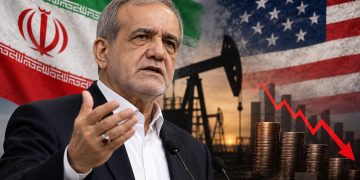



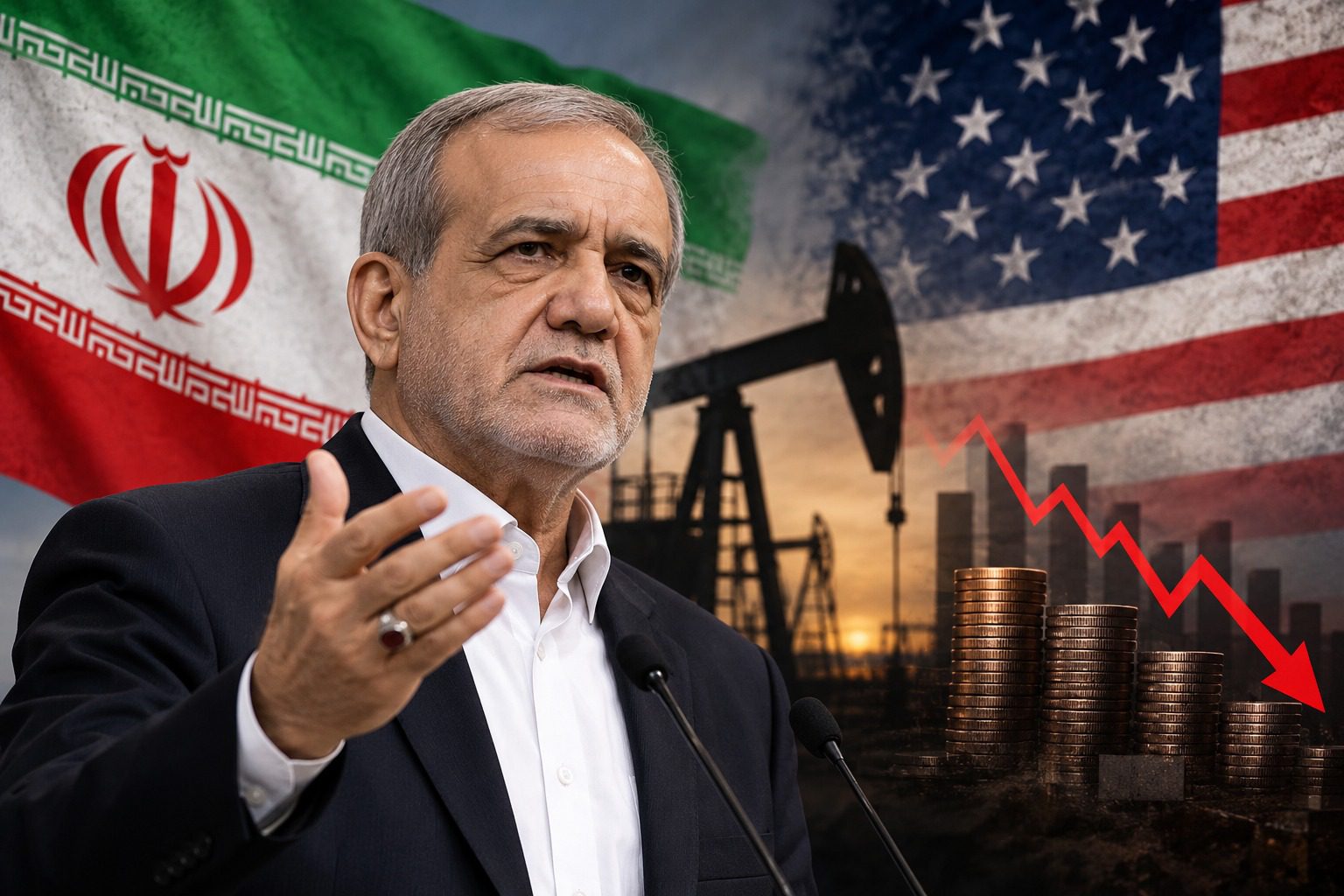
TEHRAN (Web Desk) – Iranian President Masoud Pezeshkian has said Iran is not intimidated by external threats and remains determined to withstand what he described as a US “economic war” against the country.
Pezeshkian made the remarks as Tehran continues to face significant economic pressure from Washington, according to Iran’s state news agency IRNA. The Iranian president said the country’s response would rely on national unity, public resilience and efforts to strengthen the domestic economy.
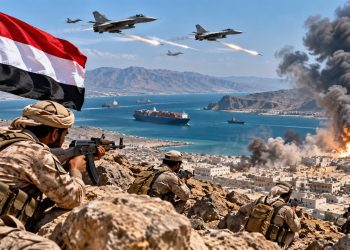
The Iranian leader said the determination of the Iranian people had enabled the country to withstand what he described as US-Israeli aggression. He argued that economic pressure could pose a challenge comparable to, and in some respects more difficult than, direct military confrontation.
“The economic war” is less visible than a military conflict but can place sustained pressure on ordinary people, businesses and government institutions, Pezeshkian said.
He stressed that his administration remained committed to addressing the economic difficulties facing the Iranian population while resisting external pressure.
“We are committed to serving the people with all our might and to defeat the enemy’s economic war,” Pezeshkian was quoted as saying by IRNA.
His comments come against the backdrop of prolonged tensions between Iran, the United States and Israel. Relations between Tehran and Washington have remained strained over Iran’s regional policies, nuclear programme and the extensive sanctions imposed on the Iranian economy.
US sanctions have targeted key sectors of Iran’s economy, including oil exports, financial transactions and other sources of government revenue. Tehran has repeatedly criticised the measures as economic coercion and has called for an end to sanctions.
Iranian officials have also sought to emphasise the importance of reducing the country’s vulnerability to external economic pressure. The government has promoted domestic production, increased reliance on regional trade and sought to strengthen economic links with countries that maintain commercial relations with Tehran.
Pezeshkian’s latest remarks indicate that economic resilience remains a central theme of his government’s response to the confrontation with Washington.
The Iranian president also placed emphasis on national unity, suggesting that social cohesion had played an important role in helping the country cope with pressure and conflict.
The economic challenges facing Iran are substantial. Sanctions and restrictions on international financial transactions have complicated access to foreign markets and investment, while fluctuations in oil revenues can affect government finances. Inflation and currency pressures have also affected household purchasing power.
For Tehran, maintaining economic activity under these conditions requires continued access to export markets, particularly for energy products, as well as alternative financial and trading arrangements.
Iran has increasingly strengthened economic ties with countries including China and Russia, while maintaining commercial relationships with neighbouring states. Regional trade has become an important component of Tehran’s efforts to reduce the impact of Western sanctions.
Pezeshkian’s comments also reflect the broader political debate inside Iran over how the country should respond to international pressure. Iranian officials have consistently maintained that sanctions will not force Tehran to abandon its strategic positions.
At the same time, economic pressure remains a major domestic concern, making economic management a key challenge for the government.
The Iranian president’s statement therefore combines a message of resistance with a pledge to focus on the needs of the population. By describing the economic confrontation as a form of warfare, Pezeshkian sought to underline the seriousness of the pressure facing Iran while presenting national unity as an important means of confronting it.
The remarks are also likely to be viewed in the context of wider regional tensions. Any escalation between Iran, the US and Israel could have consequences beyond the immediate parties, potentially affecting energy markets, regional trade and broader economic stability.
For Iran, the immediate challenge is to maintain economic activity and protect domestic purchasing power while navigating continuing international pressure.
Pezeshkian’s message was that Tehran does not intend to yield to threats and will continue pursuing policies aimed at strengthening the economy while resisting what it regards as hostile external measures.
The coming months will test the government’s ability to translate that political message into tangible economic improvements for Iranian households and businesses, particularly as the country continues to operate under significant international restrictions.