


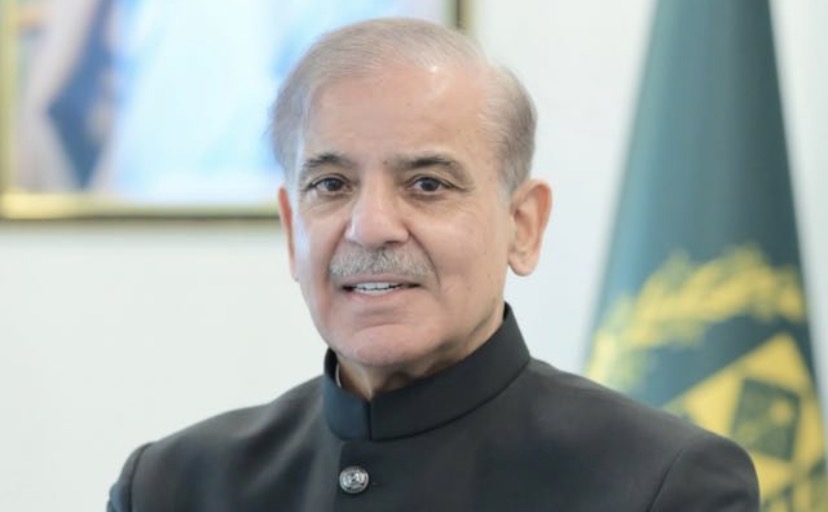
ISLAMABAD (Web Desk): Prime Minister Shehbaz Sharif has called for closer cooperation between the government and private sector to raise Pakistan’s exports, saying sustained economic growth depends on stronger export performance.
Prime Minister Shehbaz Sharif on Tuesday met a delegation of leading industrialists and business representatives in Islamabad, where discussions focused on improving the country’s economic performance, expanding exports and strengthening cooperation between policymakers and the private sector.
The prime minister emphasized that exporters, traders and industrialists were central to Pakistan’s economic development and said the government would continue engaging business leaders while formulating policies affecting industry and trade.
During the meeting, Shehbaz recalled consultations held with representatives of the business community before the presentation of the federal budget. He said such engagement was important for understanding the difficulties faced by businesses and for developing practical measures to address economic challenges.
The prime minister said the government had introduced fundamental economic reforms despite difficult economic circumstances. He maintained that future measures would also be developed through consultation with stakeholders, particularly those directly involved in manufacturing, trade and exports.
Shehbaz stressed that increasing exports remained among the government’s major economic priorities. He said Pakistan needed to move toward stronger export-led growth to improve economic stability, create employment opportunities and strengthen the country’s position in international markets.
“We have to increase our exports,” the prime minister said, emphasizing the need to remove barriers that restrict businesses from expanding their overseas sales.
The government’s focus on exports comes as Pakistan continues efforts to improve its economic fundamentals and increase foreign exchange earnings. Expanding the country’s export base is considered important for reducing pressure on external accounts and supporting longer-term economic stability.
Shehbaz said the government would work with business leaders to identify and resolve obstacles affecting exporters. He indicated that additional measures would be considered after consultations with representatives of the private sector.
The prime minister also highlighted the government’s enforcement efforts, saying measures taken during the past year had resulted in the recovery of Rs800 billion. He presented the figure as part of the administration’s broader efforts to improve economic management and strengthen compliance.
Business representatives welcomed the government’s decision to maintain consultation with the private sector. Members of the delegation thanked the prime minister for providing industrialists and traders an opportunity to discuss economic issues directly with policymakers.
The delegation urged the government to institutionalize regular engagement with the business community rather than limiting consultations to budget preparations or specific policy initiatives. They said sustained communication could help policymakers better understand problems faced by businesses and improve the effectiveness of economic measures.
Industrialists have frequently called for policies that provide greater certainty, reduce regulatory hurdles and improve the overall environment for investment and production. Export-oriented businesses also seek measures that can help them compete more effectively in international markets.
The latest meeting reflects the government’s stated approach of involving the private sector in economic policymaking. Greater coordination between government departments and businesses could help identify regulatory and operational issues that affect investment, production and exports.
The prime minister reiterated that the government would continue working with the business community to support economic activity and improve export performance. He said overcoming obstacles to exports required cooperation between the public and private sectors.
The discussions also underscored the importance of maintaining confidence among businesses as Pakistan seeks to expand economic activity. Regular consultations can provide a platform for industry representatives to communicate concerns while allowing the government to explain planned reforms and policy priorities.
With exports identified as a key pillar of the government’s economic strategy, officials are expected to continue consultations with industrialists and traders as further measures are developed.
The government’s success in translating these commitments into practical reforms will depend on how effectively identified barriers are addressed and how quickly businesses can benefit from a more predictable policy environment.


