


TEHRAN/WASHINGTON (Agencies) – The Middle East witnessed a sharp escalation in tensions on Wednesday as Iran launched missile and drone attacks against US military assets in Bahrain and Jordan, following American strikes on Iranian targets near the Strait of Hormuz. The latest confrontation has heightened fears of a broader regional conflict and raised concerns about the stability of global energy markets.
According to Iran’s Islamic Revolutionary Guard Corps (IRGC), drone attacks targeted the headquarters of the US Navy’s Fifth Fleet in Bahrain, while missile strikes were launched against a US military airbase in Jordan. Iranian state media described the attacks as retaliation for US military action carried out earlier against sites in southern Iran.
The United States Central Command (CENTCOM) confirmed that American forces had conducted what it described as “self-defence strikes” against Iranian military infrastructure. US officials said the operation was launched after Iranian forces allegedly downed a US Army Apache attack helicopter over the Strait of Hormuz earlier this week. American fighter aircraft reportedly targeted Iranian radar systems, surveillance facilities and air-defence positions near the strategic waterway.
The Strait of Hormuz remains one of the world’s most important maritime trade routes, handling a significant portion of global oil shipments. Any disruption to shipping activities in the region could have major consequences for international energy supplies and financial markets.
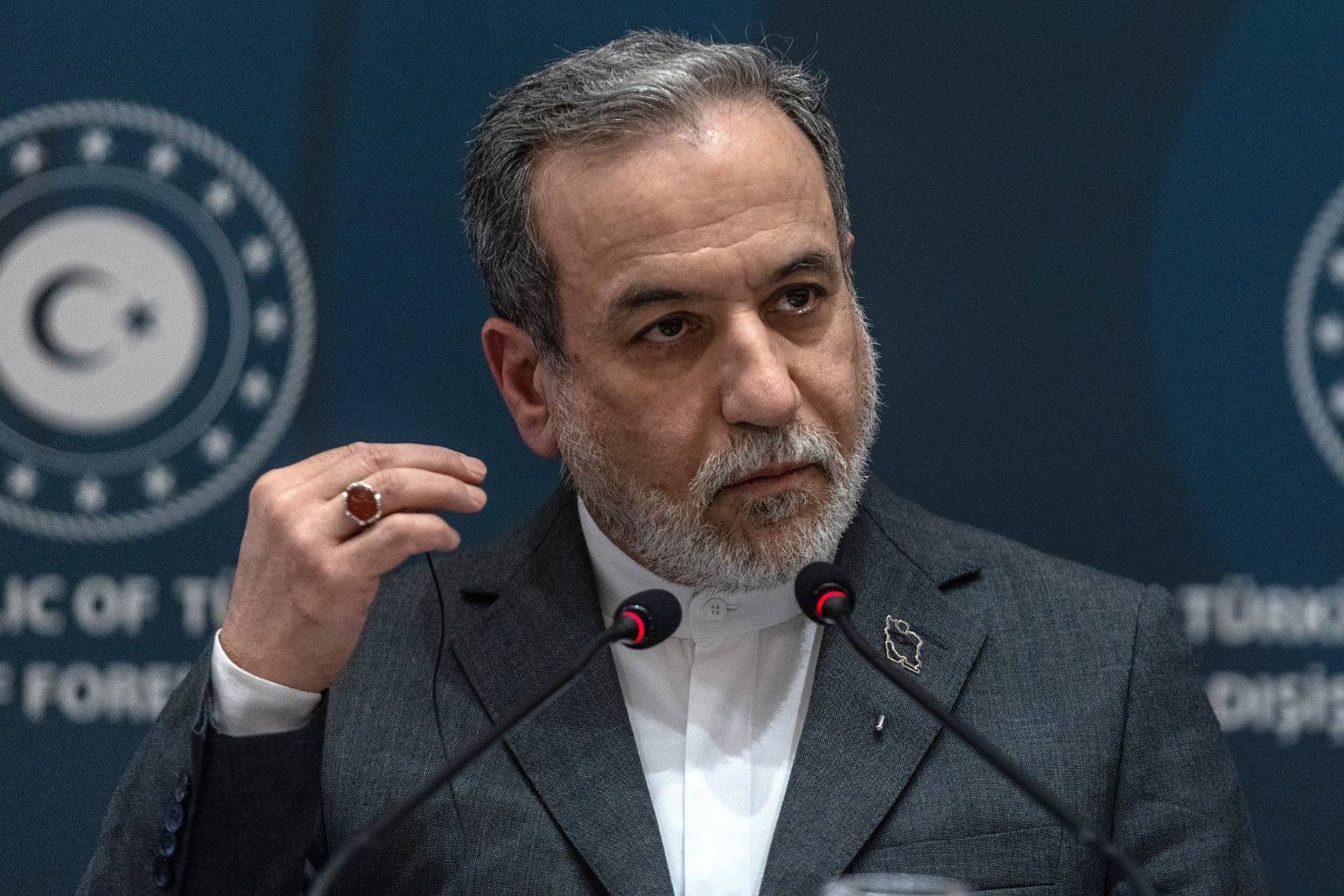
Iranian Foreign Minister Abbas Araghchi issued a strong warning following the US strikes, accusing Washington of escalating the conflict despite previous diplomatic efforts. He urged American forces to withdraw from the region, declaring that continued military operations would invite further retaliation.
“Leave our region if you want to be safe,” Araghchi said, while reiterating Iran’s position that foreign military presence is a key source of instability in the Middle East.
The latest exchange comes amid an already fragile ceasefire that has repeatedly come under strain due to sporadic clashes between Iran, the United States and regional allies. Analysts warn that the current escalation represents one of the most serious tests of the truce established earlier this year.
Regional governments responded swiftly to the developing situation. Bahrain activated air raid alerts while Kuwait reportedly engaged hostile aerial targets through its air-defence systems amid fears of additional attacks. Military installations across the Gulf region were placed on heightened alert as security officials monitored incoming threats.
While Iranian authorities claimed successful strikes against US military facilities, American officials maintained that defensive measures intercepted most incoming missiles and drones. Initial assessments indicated no major casualties among US personnel, although damage assessments were continuing.
The confrontation has also triggered economic concerns. Oil prices climbed in international markets as investors reacted to fears of disruptions in the Gulf region. Financial analysts warned that prolonged instability around the Strait of Hormuz could further impact energy supplies and increase volatility across global markets.
Diplomatic efforts to contain the crisis are expected to intensify in the coming days as international stakeholders seek to prevent further escalation. However, with both Tehran and Washington defending their actions and warning of additional responses, prospects for immediate de-escalation remain uncertain.