


By Our Correspondent
GILGIT: A total of 396 candidates are contesting the upcoming Gilgit-Baltistan elections, including 266 independents, while only eight women are in the race, five of them running independently.
Among political parties, the PPP has fielded 23 candidates, followed closely by the PML-N with 22 candidates. Both parties have nominated one female candidate each. The Istehkam-i-Pakistan Party (IPP) has entered 15 candidates, while PTI has fielded 10 contenders.
Additionally, 10 candidates are contesting on tickets from the Pakistan Nazaryati Party, nine belong to JUI-F, seven to MWM, and six each represent JI and MQM. The Awami Workers Party has fielded four candidates, while ANP, SIC and PML-Q have one candidate each in the race.
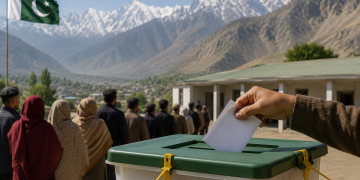
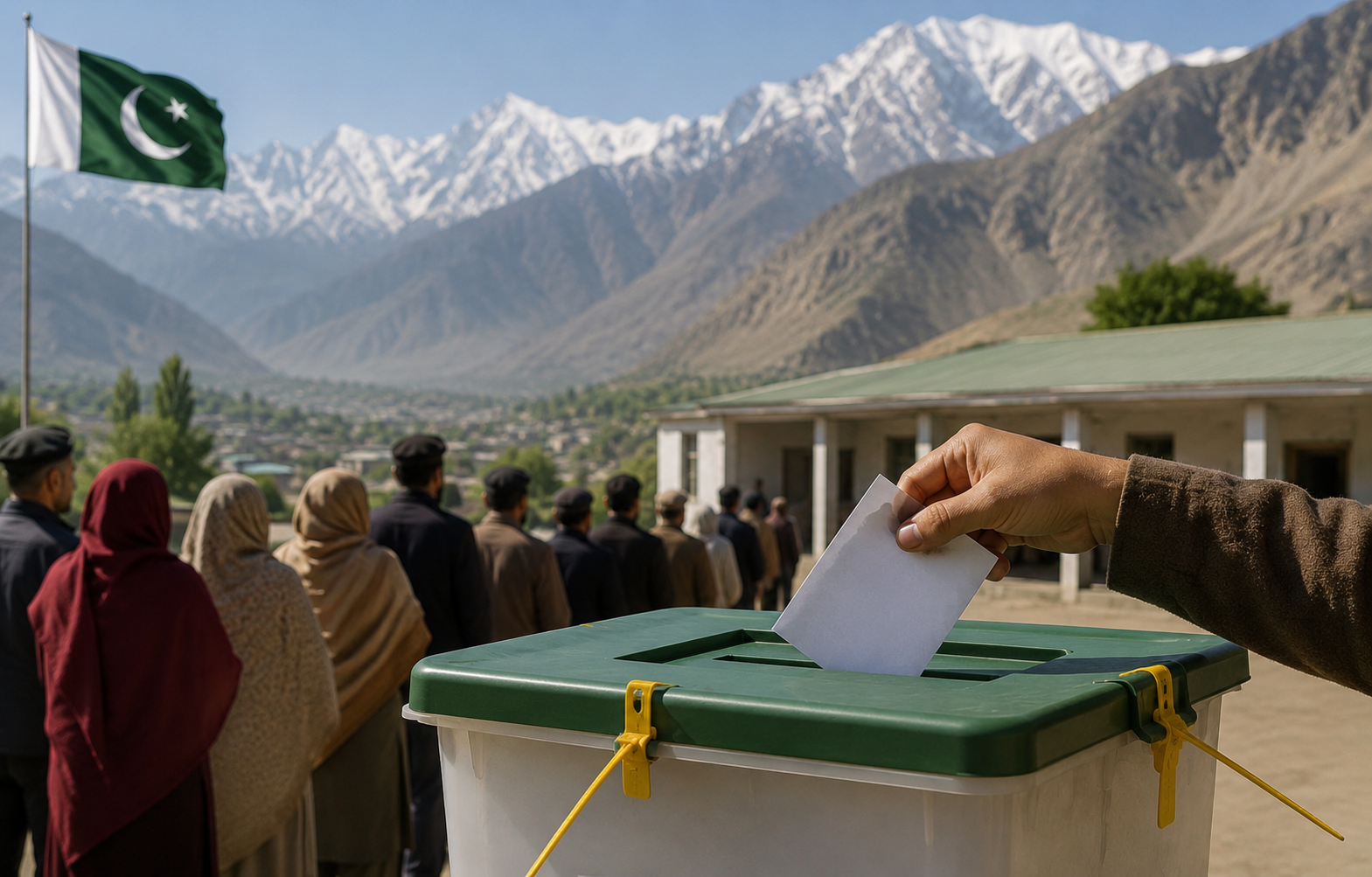
Polling will take place from 8am to 5pm on Sunday.
RelatedPosts


Gilgit-Baltistan Chief Election Commissioner Raja Shahbaz Khan has delegated first-class magistrate powers to all district returning officers and returning officers to help ensure peaceful, transparent and lawful elections.
According to an official notification, authorities will strictly enforce election laws, implement the code of conduct and maintain transparency throughout the electoral process to facilitate free, fair and impartial elections.
Meanwhile, GB caretaker Information Minister Ghulam Abbas urged citizens to actively participate in the electoral process, describing voting as both a democratic right and national responsibility.
He said elections are a vital pillar of democracy and public participation is essential for strengthening democratic traditions.
Abbas expressed confidence that the people of Gilgit-Baltistan would demonstrate responsibility and turn out in large numbers on polling day.
He stressed that every vote carries importance for the region’s future, development and prosperity, urging voters to cast ballots independently without pressure, fear or bias.
The caretaker minister added that institutions are working to ensure peaceful and transparent polls while urging the public to follow the election code of conduct and cooperate with relevant authorities to support a successful democratic process.