


WASHINGTON (Web Desk) – The Trump administration is considering a plan to relocate more than 1,000 Afghan nationals who supported American military efforts, currently stranded in Qatar, to a third country, officials and advocacy groups have revealed.
Read also: Pakistan–Afghanistan border faces new strain
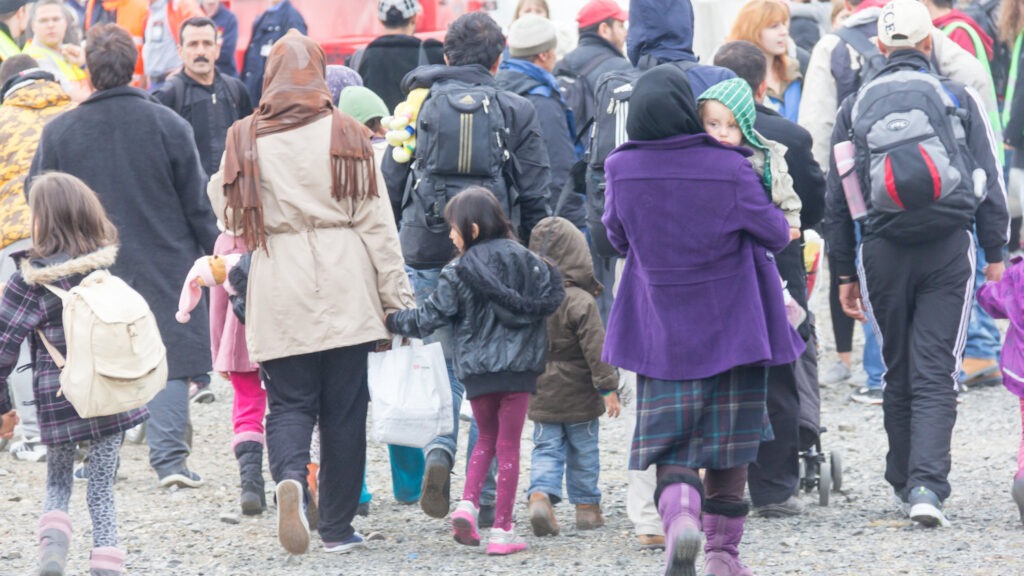
The individuals include interpreters, support staff who worked with US forces, and family members of American service personnel. Many of them have been living for over a year at Camp As-Sayliyah in Doha, awaiting resettlement after fleeing Afghanistan.
Advocates say one of the countries under consideration is the Democratic Republic of the Congo, though US officials have not confirmed any final decision. The US State Department stated it is exploring options for “voluntary” relocation but did not disclose specific destinations.
According to Shawn VanDiver, US authorities have informed resettlement groups about discussions with Congo regarding hosting Afghan refugees. He criticised the plan, arguing that offering refugees a choice between relocation to unstable regions or returning to Afghanistan is not truly voluntary.
“These individuals face serious risks if they return,” VanDiver said, noting that many could face retaliation from the Taliban due to their association with US forces.
The issue stems from policy changes introduced after President Donald Trump paused the Afghan resettlement programme, leaving thousands of vetted refugees stranded globally. Many had already completed lengthy security checks and were expecting to begin new lives in the United States.
Negotiations with multiple countries have been ongoing for months. Nations such as Botswana and Malaysia were previously considered, but talks reportedly did not progress. More recently, Congo has emerged as a primary option under discussion.
However, concerns are growing over the suitability of relocating refugees to Congo. The country has long faced internal conflict, particularly in its eastern regions, where fighting between government forces and rebel groups continues. The United Nations has described the situation there as one of the world’s most severe humanitarian crises.
Former US officials have also expressed reservations. Jon Finer noted that the Doha facility was originally intended as a temporary transit centre, not a long-term holding location for families.
Critics argue that sending Afghan allies from one unstable environment to another could undermine the original commitment made by the United States during the two-decade war in Afghanistan.
Personal stories highlight the human impact of the uncertainty. Negina Khalili, who fled Afghanistan in 2021, said her family members have been stuck in Doha since early 2025 with little information about their future.
“They are anxious and confused,” she said, adding that they fear relocation to Congo may not provide safety or stability. “They don’t know whether it would be temporary or permanent.”
Another Afghan-American, Sean Jamshidi, voiced deep concern about the plan, citing his own experience in Congo. He described difficult security conditions and warned that it is not a suitable destination for vulnerable refugee families.
Adding to the uncertainty, some refugees at the Doha camp have reportedly been offered financial incentives to return to Afghanistan voluntarily, a proposal that many view as dangerous given the current political climate.
The situation remains unresolved, with no final agreement announced. Refugees continue to wait for clarity, caught between limited options and uncertain futures.