


LONDON (Agencies) – Starmer steps down as UK prime minister after losing support within Labour British Prime Minister Keir Starmer announced his resignation on Monday, ending a turbulent period in office and paving the way for Britain’s seventh leader in just over a decade.
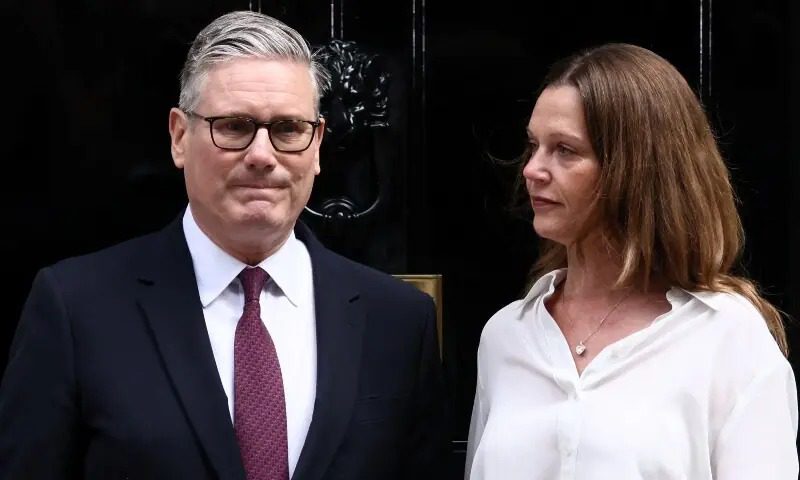
Speaking outside 10 Downing Street in London, Starmer said he accepted the decision of his parliamentary colleagues “with good grace” and promised to give his successor his “full and unequivocal support.” He confirmed that he had informed King Charles III of his decision earlier in the day.
Starmer said he had asked the Labour Party’s National Executive Committee to begin the process of electing a new leader, with nominations opening on July 9 and a new leader expected to be in place before Parliament returns from its summer recess in September.
Until a replacement is chosen, Starmer said he would remain in office to ensure an orderly transfer of power.
“Every decision I have taken has been about putting the country I love first,” he said. “That is why I will resign as leader of the Labour Party.”
Reflects on two years in power
The outgoing prime minister described his election victory in 2024 as the proudest moment of his life, saying it marked the end of 14 years of Conservative rule and offered an opportunity to transform Britain.
Starmer recalled inheriting what he described as a party that was “politically, financially and morally bankrupt” and credited his leadership with rebuilding Labour into an election-winning force.
He pointed to a series of achievements during his two years in office, including stronger economic growth, wage increases outpacing inflation, expanded workers’ rights, falling National Health Service waiting lists, higher defence spending and measures aimed at reducing poverty and illegal migration.
According to Starmer, Britain’s international reputation had also improved under his government.
“Change promised by a Labour government, change fought for by a Labour government and change delivered by a Labour government,” he said.
Burnham emerges as favourite
The resignation follows months of growing unrest within Labour and comes after Greater Manchester Mayor Andy Burnham secured a decisive victory in last week’s Makerfield by-election, returning him to Parliament and strengthening expectations that he could seek the party leadership.
Burnham’s success has encouraged many Labour lawmakers who believe he could revive the party’s fortunes after a sharp decline in support under Starmer.
Opinion polls have shown Labour losing ground while Nigel Farage’s anti-immigration Reform UK party has risen in popularity, adding to pressure on the prime minister.
Despite speculation over his future for months, Starmer had repeatedly insisted he intended to stay in office and fight any leadership challenge.
Economic uncertainty clouds leadership transition
While Burnham is widely viewed as a strong communicator capable of reconnecting with voters, analysts say any incoming leader will face major economic constraints.
Britain currently has some of the highest borrowing costs among Group of Seven economies, reflecting weak growth, elevated debt levels and increasing demands for spending on defence and public services.
Economists have warned that the next government will have limited room for manoeuvre without risking market instability.
Citibank analysts said a Burnham administration would inherit “a precarious fiscal situation with few tools to deliver meaningful change.”
Questions also remain over Burnham’s positions on foreign policy, defence and economic management, areas in which he has so far offered limited details.
Scandals and electoral setbacks weakened Starmer
Starmer’s premiership faced repeated controversies, including criticism over welfare reforms and defence spending plans. His government also came under fire earlier this year over the appointment of Peter Mandelson as ambassador to Washington because of Mandelson’s past association with convicted sex offender Jeffrey Epstein.
Labour’s poor showing in local elections in May and the rapid rise of Reform UK further undermined Starmer’s authority.
His departure comes just a day before the tenth anniversary of the Brexit referendum, which ushered in years of political instability and frequent changes in British leadership.
Family takes priority
Concluding his remarks, Starmer thanked his colleagues and family for their support and said he looked forward to spending more time with his wife and children.
“When I leave the biggest job in the country,” he said, “I shall spend more time on the most important job — being the best husband and father I can be.”
With Labour now preparing for a leadership contest, Britain enters another period of political uncertainty as the governing party seeks a new leader ahead of the next general election.


