


By The Tribune International
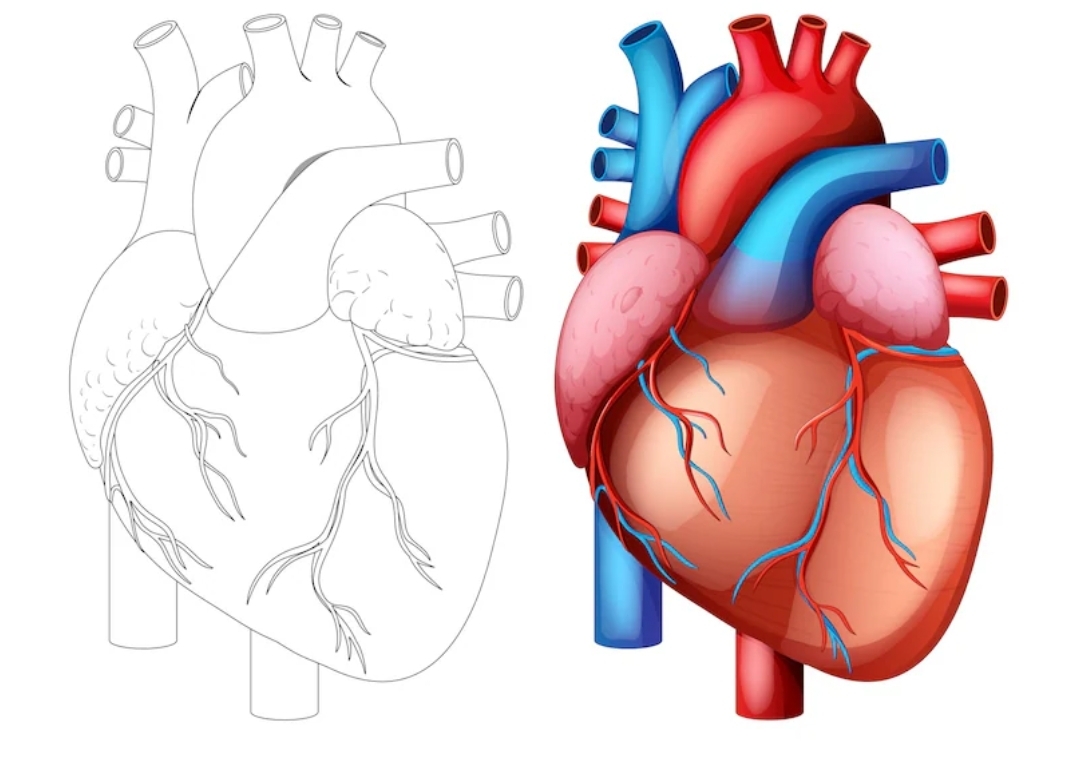
Lahore – Pakistan is facing a health crisis that is silently spreading through its younger population. Once considered a disease of old age, heart attacks, hypertension, and sudden cardiac arrests are now increasingly striking people under the age of 40, alarming doctors and families across the country.
A Disturbing Trend
Cardiologists in major hospitals of Lahore, Karachi, and Islamabad confirm a sharp rise in the number of young patients being rushed into emergency wards with chest pain, blocked arteries, and heart failure. The Pakistan Cardiac Society recently warned that if urgent steps are not taken, Pakistan could become one of the countries with the highest burden of premature heart disease in South Asia.
According to health estimates, one in four heart patients in Pakistan is now below the age of 40. Ten years ago, this was considered rare.
Why Is This Happening?
Experts identify several interconnected reasons:
- Unhealthy Diets – The rising culture of fast food, fried snacks, sugary drinks, and energy beverages is a major cause of clogged arteries and obesity.
- Stress and Depression – Economic pressures, job insecurity, and social stress are fueling anxiety levels among the youth, which directly impact heart health.
- Lack of Physical Activity – With the rise of smartphones, gaming, and work-from-home culture, most young Pakistanis lead sedentary lifestyles.
- Smoking and Vaping – Pakistan is among the top 15 countries with the highest tobacco consumption. Alarming numbers of teenagers are addicted to cigarettes, gutka, and now vaping pens.
- Energy Drinks – Excessive use of high-caffeine energy drinks by students and young professionals is putting immense pressure on the heart.
Real-Life Shocks
Stories of sudden deaths among young people are becoming common. Just last month, a 28-year-old software engineer in Karachi collapsed during a late-night office shift. In Lahore, a 32-year-old banker died of a cardiac arrest while playing cricket with friends. These incidents highlight that the crisis is no longer confined to patients with family history—it’s spreading widely due to lifestyle choices.
The Cost of Neglect
Pakistan already spends a massive share of its healthcare budget on heart disease treatment. The cost of angioplasty, bypass surgery, and long-term medication is beyond the reach of most families. Experts warn that if prevention is not prioritized, the economic and human cost will be devastating.
Global Comparison
Worldwide, the average age of first heart attacks is above 55. But in Pakistan, doctors now report cases as young as 25 years old. This makes Pakistan one of the countries where premature heart disease is growing at an alarming rate.
What Can Be Done?
Doctors say the crisis can still be managed if strong preventive measures are adopted at both governmental and individual levels:
- Awareness Campaigns on TV, radio, and social media targeting youth.
- Ban or regulate energy drinks which are freely sold without health warnings.
- Tax sugary beverages and junk food to discourage excessive consumption.
- Encourage exercise and sports through schools, colleges, and workplaces.
- Free annual heart checkups for young people to detect risks early.
On a personal level, simple lifestyle changes can drastically reduce risks:
- Brisk walk or exercise 30 minutes daily.
- Reduce fried food, soft drinks, and red meat.
- Increase intake of fruits, vegetables, and water.
- Avoid smoking, vaping, and excessive caffeine.
- Learn to manage stress through meditation, prayer, or hobbies.
Conclusion
Pakistan is sitting on a ticking health time bomb. If urgent action is not taken, the country could face a generation of young people crippled by heart disease, leading to both social and economic collapse.
The message is simple yet urgent: our youth must choose health today to secure the future of Pakistan tomorrow.