

By Commerce Reporter
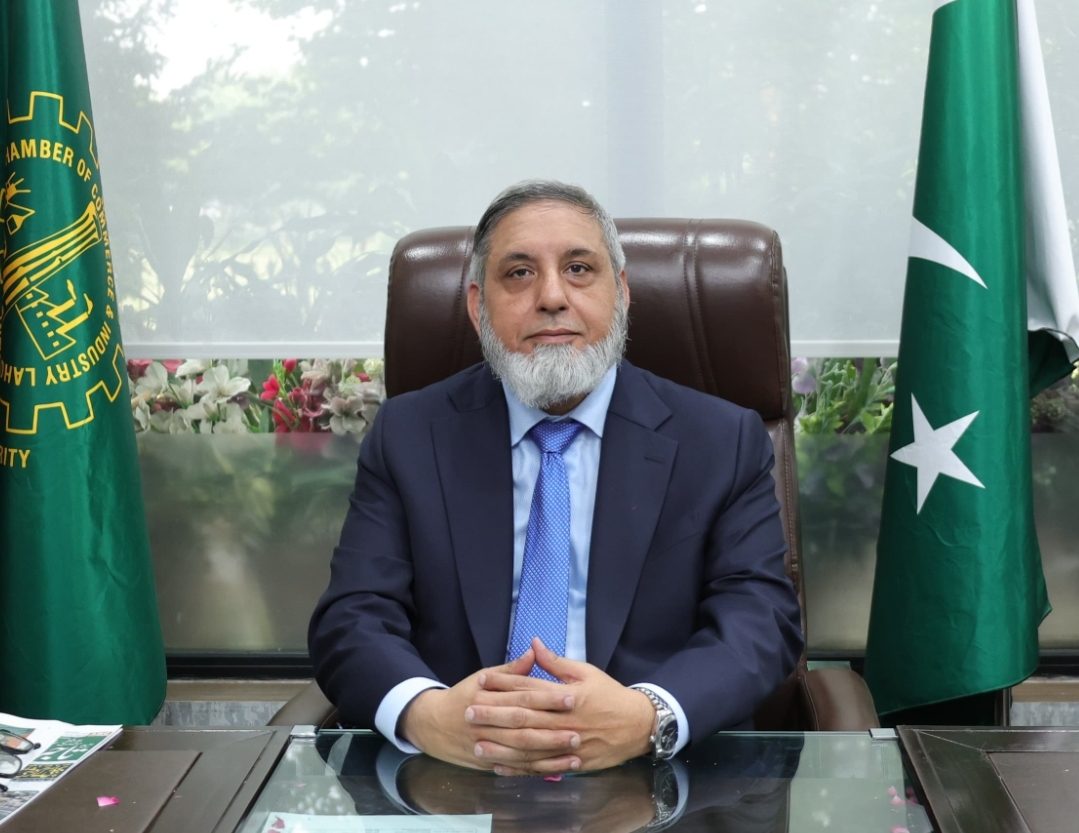
LAHORE: Senior Vice President of the Lahore Chamber of Commerce & Industry (LCCI), Tanveer Ahmed Sheikh, has expressed serious concern over the issues highlighted in the recent meeting of the Senate Standing Committee on Planning, Development and Special Initiatives regarding obstacles to Pakistan’s export growth.
Read also:LCCI raises alarm over rising govt debt as Pakistan’s borrowing reaches Rs79.3trillion
He said that the concerns raised by the Senate panel reflect the ground realities faced by Pakistan’s exporters, manufacturers and investors, who have long been demanding a more practical, business-friendly and growth-oriented economic framework.
Tanveer Ahmed Sheikh stated that heavy taxation on exports, multiple regulatory requirements and NOCs for establishing industries, lack of long-term economic policies and an uncertain business environment are seriously damaging Pakistan’s export potential. He noted that these issues are discouraging new investment, slowing industrial expansion and weakening Pakistan’s ability to compete in international markets.
He emphasized that exporters are currently facing rising production costs due to high energy tariffs, expensive financing and a complicated tax structure. According to him, when the cost of doing business remains high, it becomes extremely difficult for exporters to offer competitive prices in the global market. As a result, Pakistan risks losing its traditional export markets to regional competitors.
The LCCI Senior Vice President said that regulatory hurdles and delays in approvals are also creating unnecessary difficulties for industrialists. He pointed out that investors often have to obtain multiple clearances from different government departments before starting a project, which not only wastes time but also increases financial costs.
Tanveer Ahmed Sheikh urged the government to introduce urgent policy reforms to address these challenges. He stressed that a simplified taxation system, reduction in energy costs, ease of obtaining industrial approvals and consistent long-term economic policies are essential to revive investor confidence and boost exports.
He further said that Pakistan has immense potential in sectors such as textiles, engineering goods, agriculture-based products and information technology, but this potential cannot be fully realized without removing structural barriers and improving the overall business environment.
He called on policymakers to consult the business community while formulating economic policies, as industry stakeholders have practical insights into the challenges faced on the ground. He added that close coordination between the government and the private sector is crucial for sustainable economic growth.
Tanveer Ahmed Sheikh concluded by saying that removing export barriers and reducing the cost of doing business should be treated as a national economic priority to help Pakistan increase its exports, attract investment and achieve long-term economic stability.