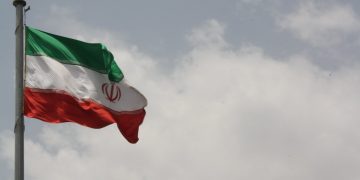




TEHRAN (Web Desk) – Iran has sharply escalated its rhetoric against the United States, warning that any attack on its civilian infrastructure would trigger immediate retaliation against facilities linked to Washington across the Middle East. The latest exchange of threats has further heightened tensions between the two countries and raised concerns about the security of the Strait of Hormuz, one of the world’s most strategically important maritime routes.
According to Iranian media, a senior military source said Tehran would respond decisively if the United States targeted critical infrastructure inside Iran. The warning followed recent remarks by US President Donald Trump, who threatened military action if Iran or its affiliated forces attacked commercial shipping in the Strait of Hormuz.
The Iranian source said the country’s position on the Strait of Hormuz remained unchanged, stressing that Tehran would continue to exercise what it described as its sovereign rights over the waterway. Officials maintained that Iran would not allow external pressure to influence its security or regional policies.
The military source warned that any strike on Iranian infrastructure, including bridges, electricity facilities or other public installations, would be met with attacks on infrastructure connected to the United States in several Arab countries. The statement specifically mentioned bridges, power stations and other strategic civilian facilities as potential targets in the event of military escalation.
Iranian officials argued that recent military developments had demonstrated the country’s operational capabilities and readiness to respond to perceived threats. They maintained that Iran possessed sufficient military capacity to conduct operations wherever it considered necessary in defense of its national interests.
RelatedPosts
The warning came after President Trump issued a strongly worded statement on his social media platform, saying the United States would respond forcefully if commercial vessels passing through the Strait of Hormuz were attacked.
According to Trump’s statement, any missile, drone or rocket attack against commercial shipping allegedly carried out by Iran’s Islamic Revolutionary Guard Corps (IRGC) would result in direct US strikes on Iranian infrastructure. He said American forces would target one Iranian bridge or power plant for every attack on a commercial vessel, regardless of the location of those facilities.
The exchange has intensified fears of a wider regional confrontation, particularly because the Strait of Hormuz serves as one of the world’s busiest energy corridors. A significant portion of global oil and liquefied natural gas exports passes through the narrow waterway, making stability in the area vital for international energy markets and global trade.
Security analysts believe that continued verbal escalation increases the risk of military miscalculation, particularly as naval forces from several countries maintain a presence in the Gulf region. Even limited military action could disrupt shipping lanes, raise insurance costs for commercial vessels and affect international energy supplies.
Regional governments are also closely monitoring developments amid concerns that any direct confrontation between Washington and Tehran could have consequences extending far beyond the Gulf. Previous periods of heightened tensions have resulted in increased military deployments, attacks on shipping and volatility in global oil prices.
Diplomatic observers have urged restraint from both sides, warning that inflammatory statements could further destabilize an already fragile regional security environment. They stressed the importance of diplomatic engagement and crisis management to prevent misunderstandings that could lead to open conflict.
Despite the latest exchange of threats, no official announcement has been made regarding immediate military action by either side. However, security agencies across the region remain vigilant as the situation continues to evolve, with the Strait of Hormuz once again emerging as a focal point of international concern.


