


By Dr. Alamdar Hussain Malik
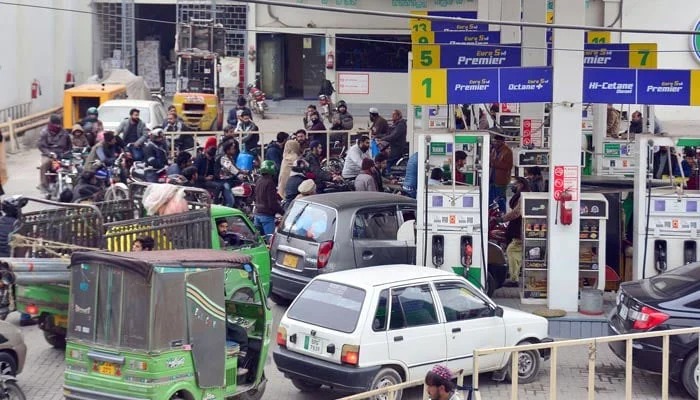
Pakistan’s economy, already reeling under structural weaknesses and mounting fiscal pressures, faces another severe blow with the latest surge in petroleum prices. Petrol has now climbed to around Rs. 458 per litre, while high-speed diesel has crossed Rs. 520 per litre.
Read also:PBG raises red flag over devastating impact of fuel price surge
This increase comes at a time when global oil prices are volatile due to geopolitical tensions, supply disruptions, and recovering post-pandemic demand. Domestically, the country’s reliance on imported fuel exposes it to exchange rate fluctuations and global price swings. Coupled with the federal government’s consideration of a smart lockdown to conserve electricity, these factors are converging to create a perfect storm, putting the economy and the common citizen under immense stress. Pakistan’s energy import dependency has historically made the economy highly vulnerable; every spike in global oil prices triggers inflationary pressures, disrupts transport and production, and erodes the purchasing power of ordinary citizens.
The surge in fuel prices has a multiplier effect across all sectors of the economy. Transportation costs increase immediately, affecting logistics, public transport, and supply chains. The cost of food, basic commodities, and industrial goods rises, disproportionately affecting lower and middle-income households. While government employees are often the focus of discussions, millions of daily wage earners, small business owners, and informal sector workers feel the impact the most. For these citizens, every hike in petrol and diesel translates into higher fares, rising shop and market prices, and increased operational costs, directly threatening their livelihoods.
Rural Pakistan, particularly the agricultural sector, is acutely affected. Diesel is essential for irrigation, farm machinery, and transporting crops to markets. The latest increase directly inflates production costs, which then flows into higher food prices in urban and rural areas alike. For a country where agriculture remains the backbone of the economy, the cumulative impact of fuel price shocks on both food security and rural livelihoods is profound. Small-scale farmers, who constitute the majority, face rising input costs and declining margins, forcing many to reduce cultivation, borrow at higher rates, or abandon farming altogether.
The timing of the price hike worsens the situation further. Provincial and federal government employees received their April salaries before Eid-ul-Fitr, a festival during which household expenditures typically rise sharply. With Eid-related expenses already consumed, employees are left to manage the remainder of the month amidst escalating prices. For many families, survival for the remaining weeks of April becomes a daily struggle, with fuel-driven inflation cascading into transportation, food, and utility costs. This reveals a systemic disconnect between salary disbursement schedules, economic realities, and the timing of inflationary shocks, highlighting the lack of strategic planning.
Adding another layer of concern is Pakistan’s soaring public debt. The total internal and external debt has crossed Rs. 80,000 billion, placing an effective burden of Rs. 325,000 on every citizen, including newborns. This staggering figure underscores a structural flaw: borrowing has been prioritized over productivity, and fiscal discipline is repeatedly ignored. The economic reality is harsh—every Pakistani is already “born under debt,” and successive generations will bear the cost of today’s fiscal mismanagement. Without decisive structural reforms, the debt trap will continue, constraining the government’s ability to invest in social services, infrastructure, and industrialization.
Systemic mismanagement extends beyond debt.
There is a wide disparity in government pay scales. Employees in elite institutions such as the President Secretariat, Prime Minister Secretariat, Senate Secretariat, National Assembly Secretariat, Federal Board of Revenue (FBR), and other federal organizations enjoy high allowances, luxury pay scales, and additional perks. Meanwhile, ordinary government employees struggle to maintain a basic standard of living. This structural inequality erodes morale, fuels dissatisfaction, and undermines public service efficiency. Equity in pay scales is not merely an administrative issue—it is essential for fairness, accountability, and long-term governance stability.
A related issue is the indiscriminate disbursement of honorarium. Initially intended to reward exceptional performance and efficiency, honorarium has become a routine practice, often paid regardless of actual performance. Payments range from one to seven basic pay scales, costing the national exchequer billions of rupees annually. While the government emphasizes austerity and efficiency in public finances, this practice reflects both financial indiscipline and lack of accountability. Redirecting these funds toward strategic economic reforms or relief measures could provide immediate support to struggling households.
Another critical governance issue is the release of full budgets or grants against vacant posts. Federal and provincial governments often allocate annual budgets based on all sanctioned posts, including those that remain unfilled, and these funds are then utilized without accountability. This practice allows organizations to misuse public money, spending on non-essential items rather than efficiently managing resources. Proper budgetary discipline requires that grants should reflect actual staffing needs and real operational requirements, rather than theoretical allocations including vacant posts.
To ensure accountability, the federal government should initiate a review process asking all federal organizations to report on the past five years of budget/grant utilization, specifically the amounts allocated against vacant posts. It must be documented what happened to those funds, how they were spent, and whether any of the allocated resources were misused or diverted. This exercise would not only recover potential misused funds but also create a culture of transparency and responsible fiscal management.
Equally alarming is the persistent backlog of audit paras against various federal and provincial government organizations. Hundreds of audit objections remain unresolved, including recoveries of billions of rupees, even after years. This raises a fundamental question: why have these audit paras not been finalized? The prolonged inaction undermines accountability, perpetuates financial mismanagement, and allows irregularities to continue unchecked. A government that cannot enforce accountability through audits cannot claim efficiency or transparency, and this directly impacts the nation’s fiscal health.
State-owned enterprises further exacerbate the problem. More than 25 loss-making entities reportedly drain over Rs. 800 billion annually, equivalent to Rs. 2 to 5 billion per day, despite providing minimal public value. These organizations continue to operate without reforms, privatization, or proper oversight. Funding inefficiency while millions of citizens face economic hardship is a glaring failure of governance. Eliminating or restructuring these entities is not just an economic necessity—it is a moral imperative.
Stopgap measures such as temporary price subsidies, ad-hoc energy adjustments, and smart lockdowns offer only superficial relief. They may serve political optics, but they do not address underlying structural deficiencies. Without tackling inefficiency, energy dependency, and industrial stagnation, these measures will inevitably deepen economic distress, increasing social tensions and public frustration.
The solution lies in bold structural reforms. The government must start with itself—cutting luxury expenditures, eliminating ghost PSDP projects, removing non-functional employees, reforming pay and honorarium systems, releasing budgets strictly based on actual staffing, reviewing vacant-post allocations, and resolving pending audit paras.
Pakistan must decisively prioritize industrialization to generate sustainable employment, boost exports, and reduce reliance on debt-driven growth. Complementary energy reforms, including investment in renewables and local fuel alternatives, are essential to stabilize the economy against global price shocks.
The human cost of inaction is profound.
Rising fuel prices, inflation, inequitable pay structures, unaddressed audit backlogs, misused budget allocations, and governance inefficiencies threaten social stability, disproportionately impacting daily wage earners, farmers, and ordinary citizens. Stopgap measures will only postpone the inevitable; fiscal discipline, industrialization, energy reform, and governance efficiency are the true solutions. Without these, Pakistan’s citizens will continue to bear the burden of inefficiency, mismanagement, and shortsighted policymaking.


