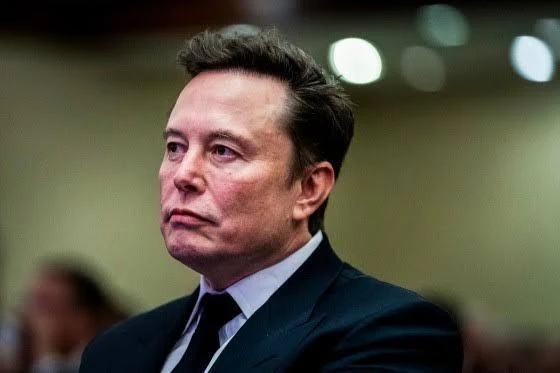



NEW YORK (Web Desk) — Elon Musk, already the world’s richest man, has inched closer to becoming history’s first trillionaire after Tesla shareholders overwhelmingly approved a record-breaking pay package potentially worth $1 trillion.
More than 75% of investors backed the controversial plan during Tesla’s annual meeting in Austin, Texas, despite weeks of heated debate from Wall Street to the Vatican over whether any executive deserves such immense compensation.
“Fantastic group of shareholders,” Musk said after the vote, urging investors to “hang on to your Tesla stock.”
The victory underscores enduring investor faith in Musk, even as Tesla battles falling sales, declining profits, and growing skepticism over his erratic leadership. Recent data showed Tesla’s sales in Germany plummeting 50% last month amid rising competition and Musk’s polarizing public persona.
The package ties Musk’s potential trillion-dollar payout to massive performance targets — including boosting Tesla’s market value nearly sixfold, delivering 20 million electric vehicles within a decade, and deploying one million humanoid robots, a project Musk calls his future “robot army.”
Supporters, including Wedbush Securities analyst Dan Ives, hailed the outcome as “a huge win for shareholders,” arguing Musk is vital to Tesla’s AI-driven transformation. But critics, such as veteran Tesla analyst Sam Abuelsamid, called the deal “absurd,” saying Musk already holds more wealth and control than any CEO in modern history.
Despite opposition from major institutional investors like CalPERS and Norway’s sovereign wealth fund, shareholders also approved Tesla’s plan to invest in Musk’s AI venture, xAI, while rejecting a proposal to lower barriers for investor lawsuits.
Tesla shares, up 80% over the past year, initially climbed on the news before settling flat at $445.44 in after-hours trading.
Musk insists the vote wasn’t about money but control — doubling his Tesla stake to nearly 30%. He claimed he needs greater power to ensure his coming wave of self-driving cars and humanoid robots remain “safe for humanity.”