


By Commerce Rrporter
LAHORE, April 07 — President of the Lahore Chamber of Commerce and Industry Faheem ur Rehman Saigol, has expressed concern over the government’s decision to close markets across the country at 8 PM, stating that such measures may slow down economic activity under current economic conditions. He urged the government to immediately review the decision and formulate a practical policy after consultation with all stakeholders.
Read also: Fuel price shock amid smart lockdown: Livelihoods in Pakistan hanging by a thread
He said Pakistan’s economy is currently facing multiple challenges, including inflation, rising business costs, high energy prices, elevated interest rates, and weak consumer purchasing power. In such circumstances, limiting business hours will not support economic growth and may negatively affect market activity, sales, and business confidence.
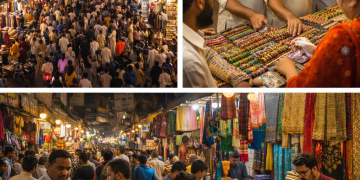
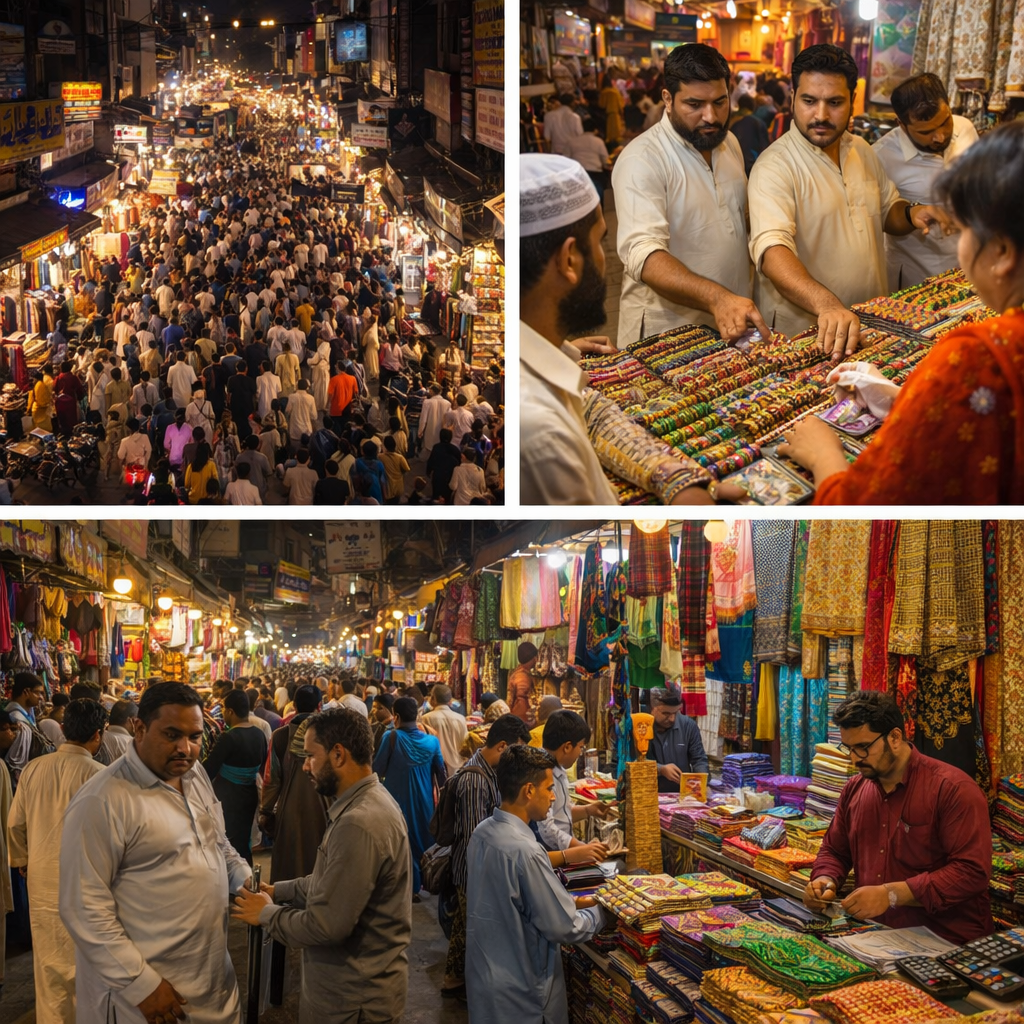
The LCCI President noted that the business community is already under severe pressure due to economic uncertainty. A large number of traders, shopkeepers, and small businesses are struggling for survival, while reduced purchasing power has already limited commercial activity. He added that evening and nighttime hours are the most important for retail businesses in Pakistan, as most consumers shop after work and daily responsibilities.
Faheem ur Rehman Saigol said early market closures would particularly harm small traders and medium-sized businesses operating on limited profit margins. He warned that reduced business activity would not only affect the retail sector but also impact supply chains, transport services, and related industries, potentially leading to fewer employment opportunities.
He emphasized that achieving government tax targets requires uninterrupted business activity, as reduced commercial operations directly affect revenue collection. Limiting business hours would lower sales and ultimately reduce government revenues.
The LCCI President stated that energy conservation is an important national priority and the business community fully supports it. However, energy-saving measures should not damage economic activity. He stressed the need to maintain a balance between energy conservation and economic continuity.
He proposed allowing markets to remain open at least until 10 PM while encouraging businesses to open earlier in the morning to make better use of daylight. According to him, this approach would help save energy without harming business activity.
He added that LCCI has previously presented several recommendations to the government regarding efficient energy use, promotion of solar energy, energy conservation awareness campaigns, and gradual improvements in business timings, which should be seriously considered.
He emphasized that business hours should be decided through consultation rather than unilateral decisions. Trader associations, chambers of commerce, industrialists, and relevant stakeholders should be taken on board to ensure policies reflect ground realities and can be effectively implemented.
Faheem ur Rehman Saigol said hurried decisions often create unintended economic problems. He suggested introducing modern alternatives for energy conservation, including energy-efficient lighting, energy audits in commercial centers, and promotion of renewable energy usage.
He further stated that consistent business-friendly policies are essential for economic stability, as business confidence forms the foundation of investment, employment, and economic growth. Strong coordination between the government and the business community is key to sustainable economic development.
He urged the government to adopt energy-saving measures that protect the interests of the economy, businesses, and employment while promoting a business-friendly environment in the country.