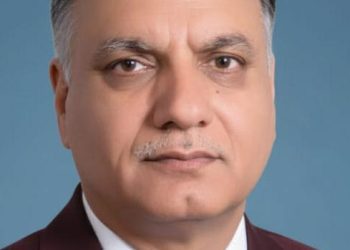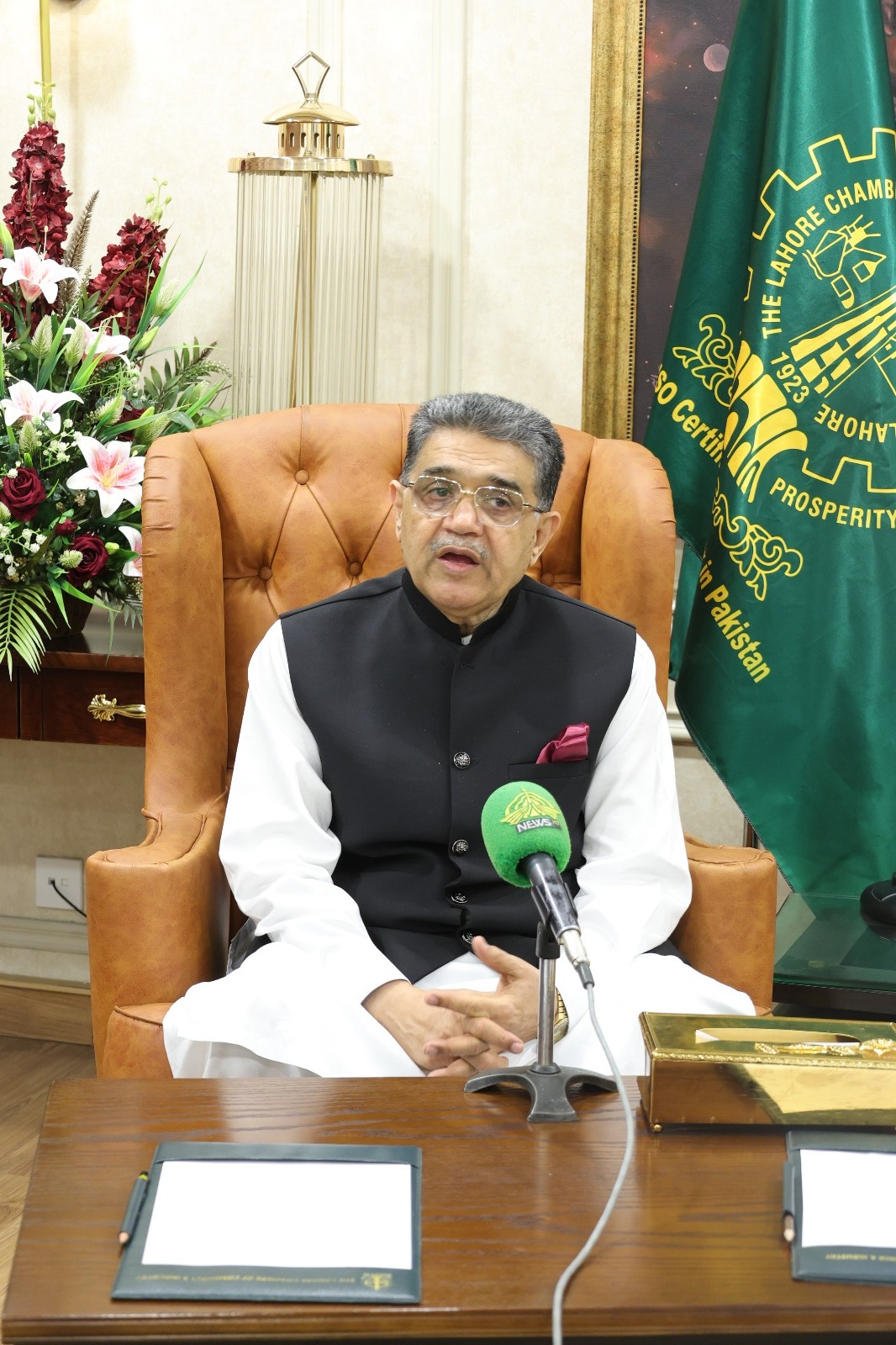



By Mian Abuzar Shad, President, Lahore Chamber of Commerce & Industry (LCCI)
Prime Minister Shehbaz Sharif’s recent announcement regarding electricity price reductions is a positive step, and we sincerely appreciate this initiative. However, one key aspect seemed overlooked—the business community, which plays a critical role in driving the economy. The private sector generates revenue, creates employment, and ensures economic stability, yet in key forums, its representation often remains limited.
For instance, in the official event announcing electricity price cuts, no major business leader was given a voice. Even the President of FPCCI (Federation of Pakistan Chambers of Commerce & Industry) should have been invited to represent the collective views of the business sector. This would have reinforced a spirit of collaboration between the government and private enterprises.
One pressing concern is the lack of direct business representation in economic policy formulation. A recent example is the government’s working group on the 29 per cent tariff imposed by the United States on Pakistani exports. While addressing this challenge is crucial, it is surprising that no business leaders, industry representatives, or chamber officials were included. Instead, the group is composed mostly of bureaucrats, raising concerns about whether practical, market-driven solutions will be adopted.
Successful economies worldwide ensure strong collaboration between the government and private sector when shaping economic policies. Pakistan must follow suit by including business leaders in key decision-making forums, particularly in areas affecting trade, investment, and industrial growth.
The power sector has long been a challenge for Pakistan’s economy. While the 7.59 rupee per unit reduction in electricity prices is welcomed, it does not fully address deeper issues such as high energy costs and inefficiencies.
For instance, Independent Power Producer (IPP) agreements signed in the past resulted in significantly higher electricity prices than those of regional competitors. India and Bangladesh secured power at 7 to 8 cents per unit, whereas Pakistan agreed to 16 cents per unit, making production more expensive for industries. This cost disparity affects our export competitiveness and overall economic stability. Revisiting these agreements in a transparent and mutually beneficial manner could lead to further price reductions.
Additionally, improving power transmission and distribution efficiency could cut costs by at least Rs2 per unit. The government’s initiative to shift CPEC power projects to local coal is also a step in the right direction, as it could reduce fuel cost adjustments and stabilize energy prices.
A country’s economic success depends on a strong public-private partnership. While bureaucracy plays a crucial role in governance, it must work alongside the private sector, rather than operating in isolation. Ensuring private sector participation in regulatory bodies and policy-making forums will lead to more effective and business-friendly economic decisions.
We urge the government to adopt a structured and inclusive approach in policy-making, recognizing the private sector as a key partner in economic progress. Business leaders should not merely be spectators at economic forums—they must be active participants. Only then can we build a stronger, more competitive, and resilient economy.
Pakistan’s economic stability and growth rely on effective collaboration between the government and business community. We appreciate the steps taken to reduce electricity prices, but long-term economic progress requires continued reforms and inclusive decision-making. Recognizing and empowering the private sector will pave the way for sustained prosperity and a stronger national economy.
Pakistan Zindabad!