


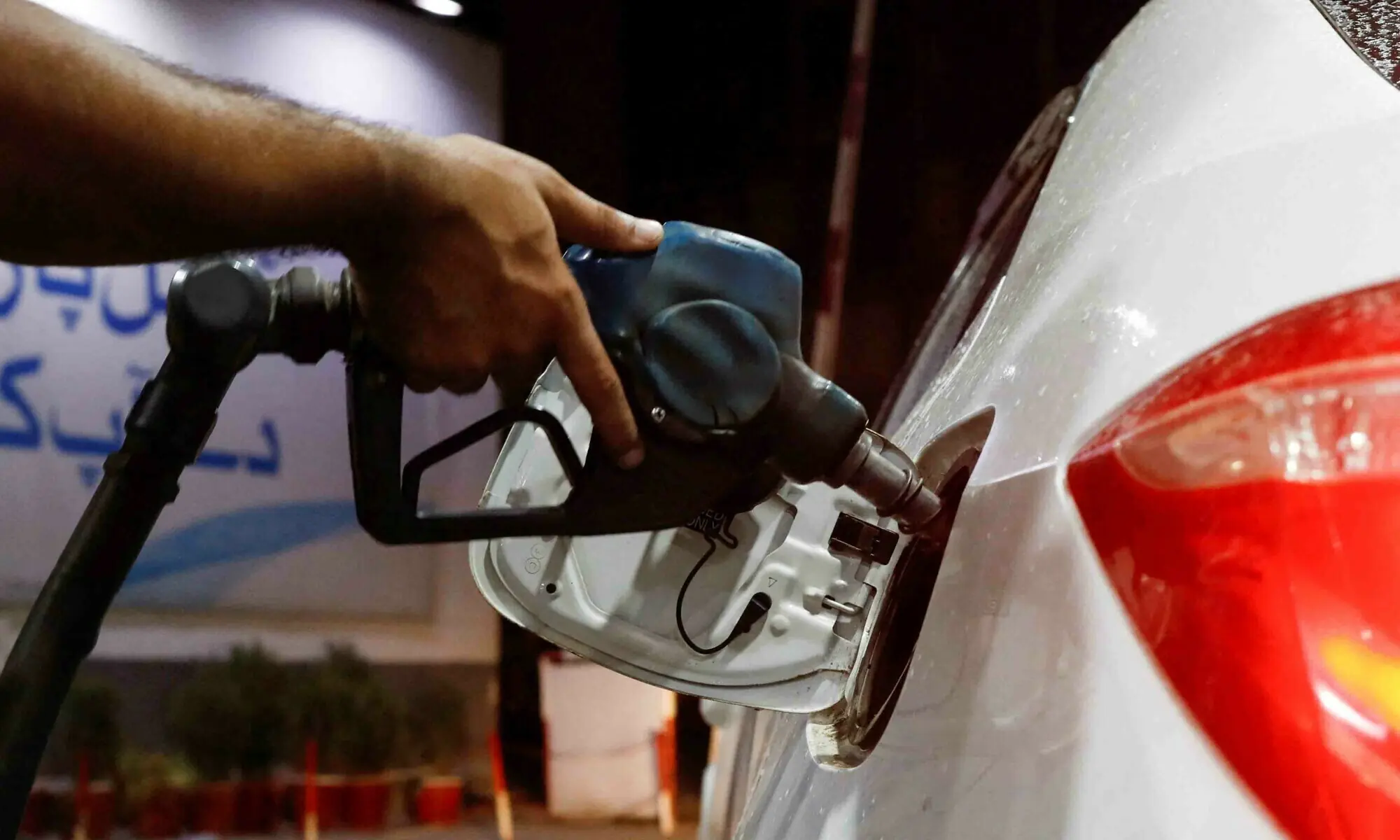
ISLAMABAD (Web Desk) – The federal government has increased the prices of petrol and high-speed diesel (HSD) in Pakistan, citing fluctuations in international oil markets, adding to fuel expenses for motorists, transport operators and businesses across the country.
Read More : Petrol and diesel prices rise as Rs100 relief scheme offers support to eligible motorists
Under the revised rates, petrol has become more expensive by Rs1.85 per litre, taking its price to Rs377.91. The price of high-speed diesel has also increased by Rs1.75 per litre, bringing the new rate to Rs399.82.
According to a notification issued by the Petroleum Division, the revised prices will remain in effect until October 29. The adjustment comes as the government continues to revise fuel rates in response to movements in international petroleum markets.
The latest increase is likely to affect consumers who depend on petrol for daily commuting and diesel-powered vehicles for commercial transport, agriculture and goods distribution. However, the actual impact on household budgets and business expenses will depend on fuel consumption, transport requirements and other operating costs.
International oil prices influence domestic rates
Pakistan relies significantly on imported petroleum products and crude oil, making domestic fuel prices sensitive to changes in international markets.
Fluctuations in global oil prices, international supply conditions and exchange-rate movements can influence the cost of importing petroleum products. These costs, alongside domestic taxes, levies and distribution expenses, contribute to the final prices paid by consumers.
An increase in petrol prices directly affects motorists and households that depend on private transport. Higher diesel prices can also raise operating expenses for buses, trucks and other commercial vehicles, potentially increasing transportation costs for businesses.
Diesel is widely used in freight transport and agricultural machinery. Consequently, sustained increases in its price can place additional pressure on sectors involved in moving goods and producing food.
The latest revision, however, does not by itself establish whether transport fares or retail prices will increase. Such changes depend on business decisions, market conditions and any relevant government measures.
OGRA introduces daily petroleum price updates
Alongside the latest price adjustment, the Oil and Gas Regulatory Authority (OGRA) has begun publishing daily petroleum prices on its official website.
The initiative is intended to improve transparency by making updated price information more readily accessible to consumers and businesses. It also aims to facilitate the faster communication of changes in international oil prices to the domestic market.
Petroleum Minister Ali Pervaiz Malik said the daily pricing mechanism uses a seven-day average of international market rates, in line with international practices.
Using an average can help incorporate recent price movements into calculations rather than relying solely on a single day’s international rate. The mechanism is intended to make domestic pricing more responsive to changing market conditions.
The publication of daily prices may also help consumers track adjustments and understand how international developments relate to changes in local fuel rates.
Consumers face continued pressure from fuel expenses
The latest increase comes at a time when households and businesses remain sensitive to changes in the cost of essential goods and services.
For individual motorists, even small per-litre increases can add to monthly expenses when fuel is purchased regularly. For commercial transport operators, the effect can be more substantial because vehicles often consume large quantities of fuel during daily operations.
Businesses may also need to reassess transport budgets and delivery costs when petroleum prices change. Whether these additional expenses are passed on to customers depends on competition, operating margins and overall market conditions.
Consumers are therefore likely to continue monitoring official announcements for subsequent price revisions, particularly as international oil markets fluctuate.
Government focuses on pricing transparency
The introduction of daily petroleum price updates represents a change in how consumers can access information about fuel rates. By publishing the latest figures online, OGRA aims to provide greater visibility into domestic petroleum pricing.
Nevertheless, the benefits for consumers will depend on clear communication, consistent publication of updated rates and the proper application of officially notified prices.
For now, petrol stands at Rs377.91 per litre and high-speed diesel at Rs399.82 per litre under the announced revision, which is stated to remain effective until October 29.
Future adjustments will depend on market movements and the government’s applicable pricing arrangements.