


By Commerce Reporter
LAHORE: The first day of the Health and Education Summit 2026 (HESP-2026), organised by the Rashid Latif Khan Group, brought together federal and provincial policymakers, diplomats, academics, healthcare professionals and industry representatives on Saturday to explore new avenues for cooperation in health, education and youth development.
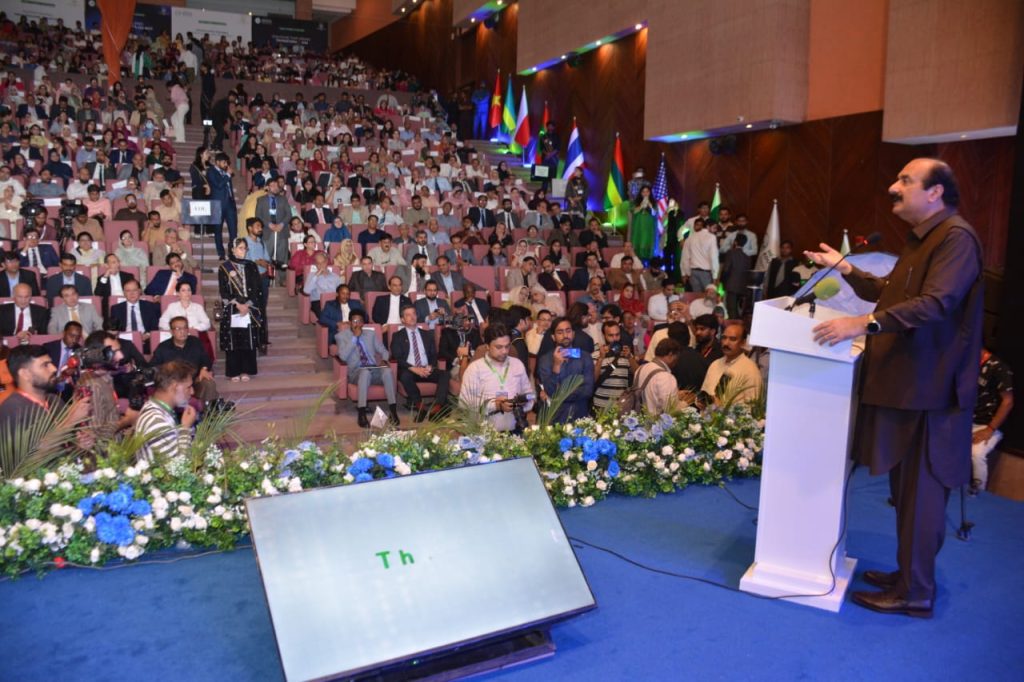
Held at the Expo Centre Lahore under the theme “Policy, Progress & Partnership,” the summit focused on strengthening public-private collaboration, promoting medical tourism, modernising healthcare and education, expanding international academic ties and creating greater opportunities for Pakistan’s young population.
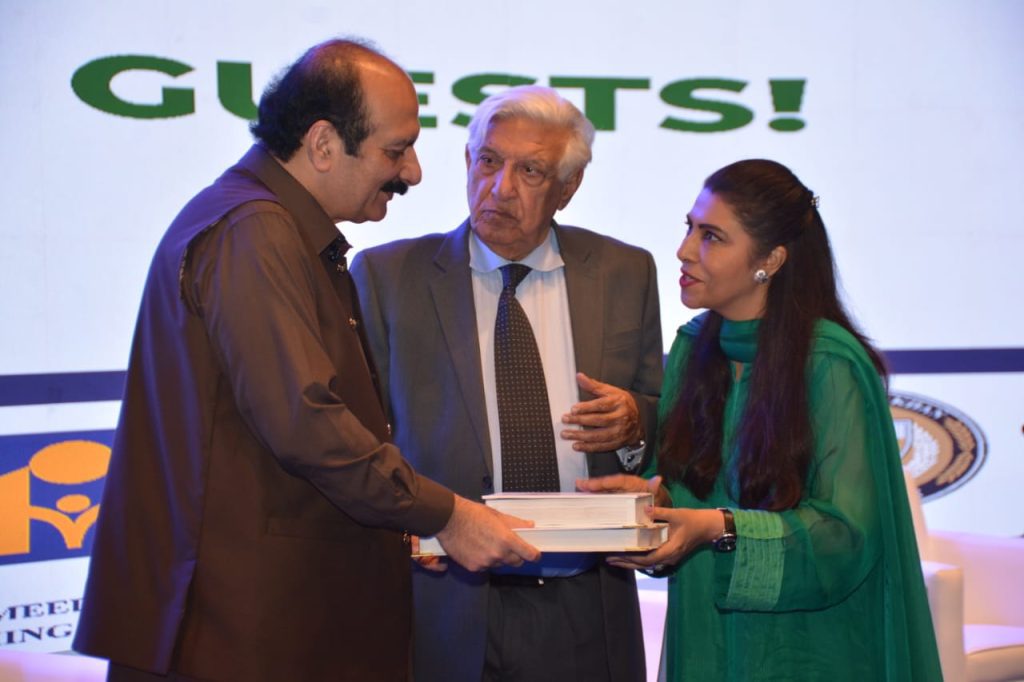
Chairman of the Prime Minister’s Youth Programme Rana Mashhood Ahmad Khan attended as a chief guest, alongside federal ministers Musadik Malik and Chaudhry Salik Hussain and Punjab Minister for Specialised Healthcare and Medical Education Khawaja Salman Rafique.
Akhuwat Foundation founder Dr Amjad Saqib, ambassadors and diplomatic representatives from various countries, vice chancellors, researchers, medical and education experts, students and representatives of different industries also participated.
One of the major features of the opening ceremony was the presentation of the HESP-2026 Declaration, prepared on the basis of focus-group discussions covering medicine, pharmacy, allied health sciences and nursing. The participation of diplomatic representatives from several countries added an international dimension to the summit.
Public-private partnership essential
Addressing the gathering, Rashid Latif Khan Group Chairman Prof Dr Rashid Latif Khan, Sitara-i-Imtiaz, said Pakistan needed collective thinking and stronger cooperation between the government and private sector to overcome challenges in healthcare and education.
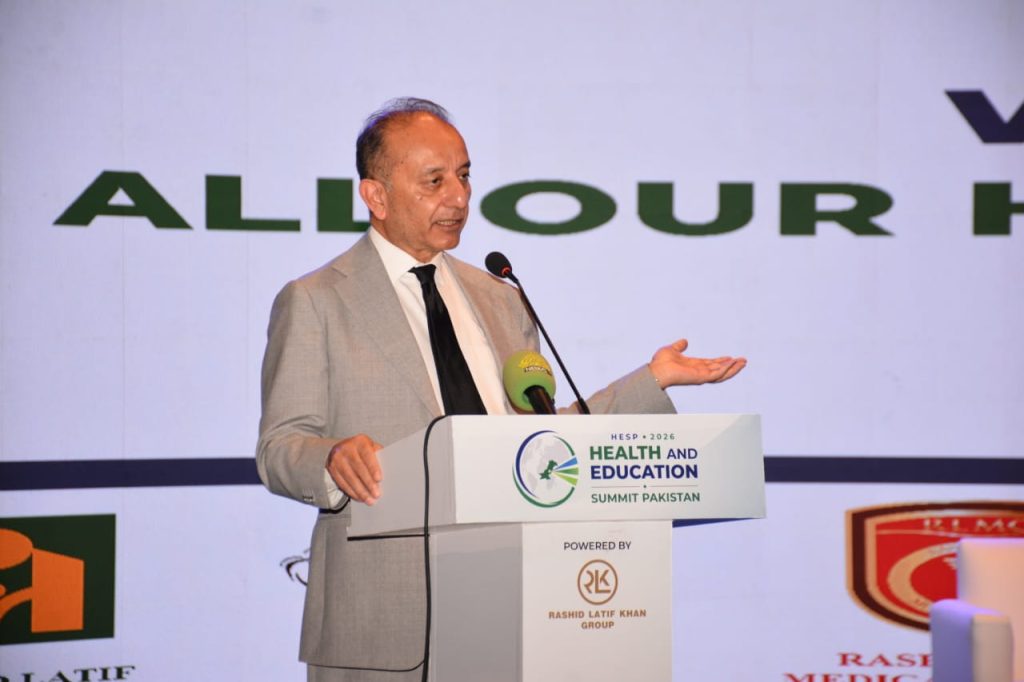
He said public and private medical colleges should not view each other as competitors but as partners in national development.
Dr Khan also stressed the need to bring medical education curricula in line with modern requirements and equip out-of-school children with practical and vocational skills that could improve their employment prospects.
Madiha Sabahat Khan, CEO, said sustainable progress in health and education would require meaningful and long-term cooperation between the public and private sectors.
Youth must remain at centre of national development
Rana Mashhood Ahmad Khan said young people and students were Pakistan’s future and placing them at the centre of national development remained a government priority.
He highlighted the importance of health tourism, international academic and research collaboration, employment opportunities and skills development for young Pakistanis.
Pakistan, he said, needed forward-looking planning and long-term policies capable of preparing its youth for rapidly changing domestic and global job markets.
He said the government was working through initiatives including the National Youth Policy, National Youth Employment Policy and e-sports policy to create new opportunities for young people.
Rana Mashhood said cooperation with international universities and institutions was also being expanded to facilitate the transfer of modern research, expertise and technology to Pakistan.
Referring to international demand for Pakistani doctors and nurses, he said Pakistan should capitalise on its human-resource potential while developing the country as a competitive destination for medical and health tourism.
Medical tourism and international cooperation
Federal Minister Chaudhry Salik Hussain participated in an intellectual session of the summit, while Dr Kamal Aydin delivered a keynote address.
A panel discussion dedicated to medical tourism brought together Pakistani and international experts, including the ambassador of the Philippines. Participants discussed Pakistan’s potential in health tourism, international cooperation and development of skilled healthcare human resources.
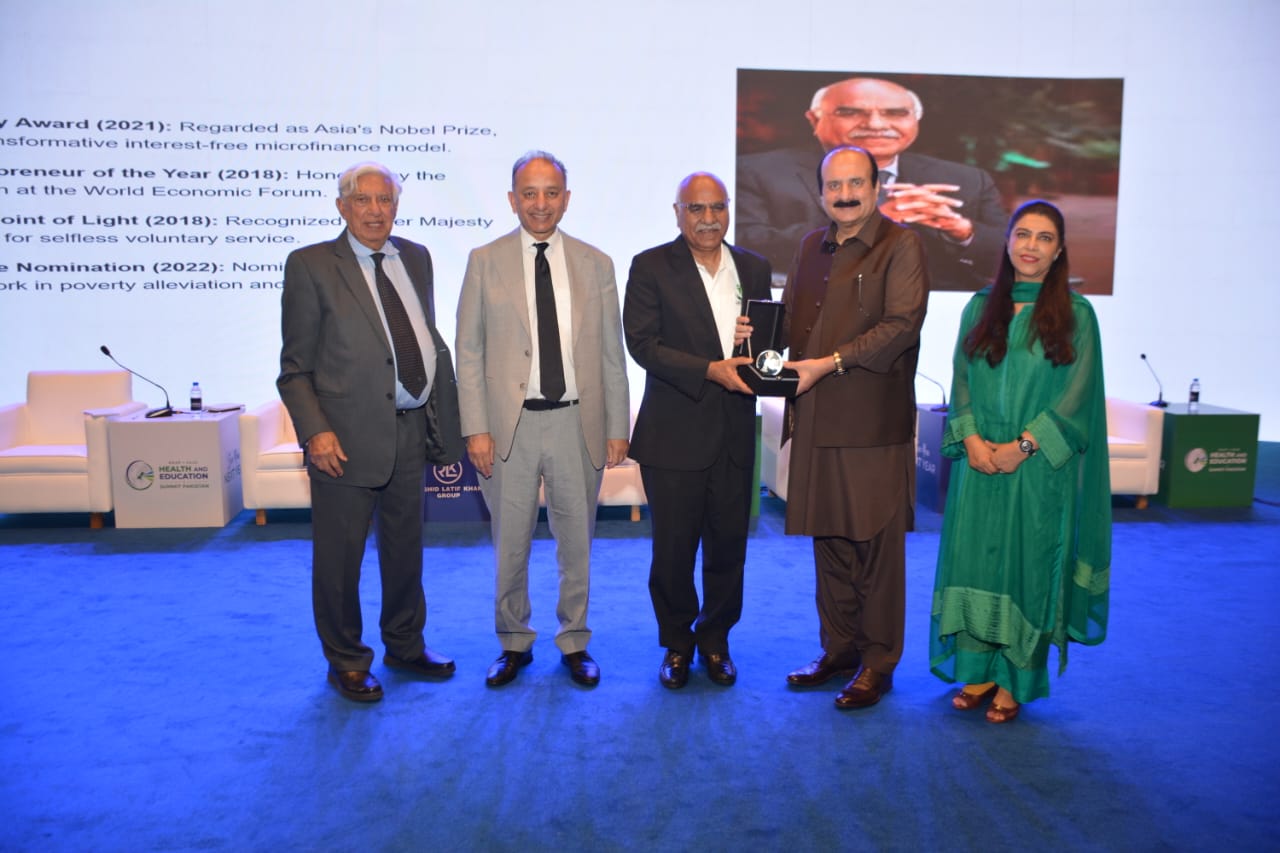
The summit also hosted the HESP Awards 2026, recognising outstanding contributions across healthcare, education, research, humanitarian service, medical tourism, health professions education, innovation, youth development and clinical research. Punjab Health Minister Khawaja Salman Rafique attended the awards proceedings.
A special networking session for ambassadors and diplomatic representatives was organised at the Diplomatic Enclave, providing an opportunity to explore institutional and international partnerships.
The Expo Hall also hosted concluding activities and awards of STUCON, along with documentaries, technology briefings and presentations by participating institutions.
Organisers said HESP-2026 was designed to bring healthcare, education, research, human-resource development and international cooperation onto a single platform and develop practical solutions through policy dialogue and partnerships.
They said the summit sought to turn discussions among policymakers, academics, healthcare professionals, industry and international partners into sustainable initiatives capable of strengthening Pakistan’s health and education sectors.
The summit reflects growing efforts to connect policymaking with universities, healthcare institutions, industry and international partners rather than addressing health and education challenges in isolation.
Greater public-private and international cooperation could help Pakistan improve professional training, expand research opportunities, develop skilled healthcare workers and strengthen its medical-tourism potential.
The effectiveness of HESP-2026 will ultimately depend on whether its declaration, policy discussions and institutional contacts are converted into measurable programmes, partnerships and reforms.
With a large youth population and growing demand abroad for trained healthcare professionals, Pakistan has an opportunity to link education reform, skills development, healthcare exports and medical tourism with its broader economic strategy.


