


LONDON (Web Desk) — Britain is weighing new measures that could require major social media platforms to give greater prominence to content from trusted news organizations, as part of a broader effort to combat online misinformation and strengthen public service media.
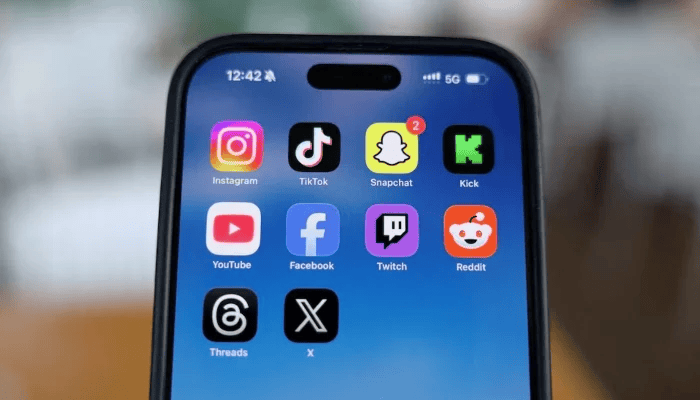
The Department for Culture, Media and Sport said it is considering rules that would make news from public service broadcasters, including the BBC, ITV and Channel 4, easier for users to find through social media feeds and search functions. The proposal would apply to platforms such as Facebook, YouTube and TikTok.
The move comes shortly after the government announced plans to restrict access to most social media services for users under the age of 16, reflecting growing concerns about the influence of online platforms on young people and public discourse.
According to media regulator Ofcom, social media has become a primary source of news for a majority of adults in the United Kingdom and nearly three-quarters of people aged between 16 and 24. Separate research found that around 40 percent of UK adults encountered misinformation online within a single month.
Culture Secretary Lisa Nandy said ensuring access to reliable information was increasingly important in an era of rapidly spreading false or misleading content.
“It is vital that people can access trusted and accurate news, particularly during periods of uncertainty and crisis,” Nandy said. “Our public service media has an important role to play in maintaining informed public debate.”
Government officials argue that increasing the visibility of regulated news providers could help counter misinformation and improve public access to verified reporting, especially during emergencies and major national events.
However, the proposal is expected to face resistance from technology companies, which have previously argued that government intervention in content-ranking systems could undermine user choice and create an uneven playing field for independent creators and publishers.
Representatives of X, Meta, TikTok and YouTube have not publicly commented on the latest proposals.
The initiative forms part of a wider review of Britain’s public service broadcasting framework. Ministers are also examining whether online-only news providers should qualify for public service media status, expanding protections for major sporting events to cover on-demand viewing, and exploring a long-term transition toward internet-based television services beginning in the 2030s and 2040s.
Further consultations on the proposals are expected later this year.


