


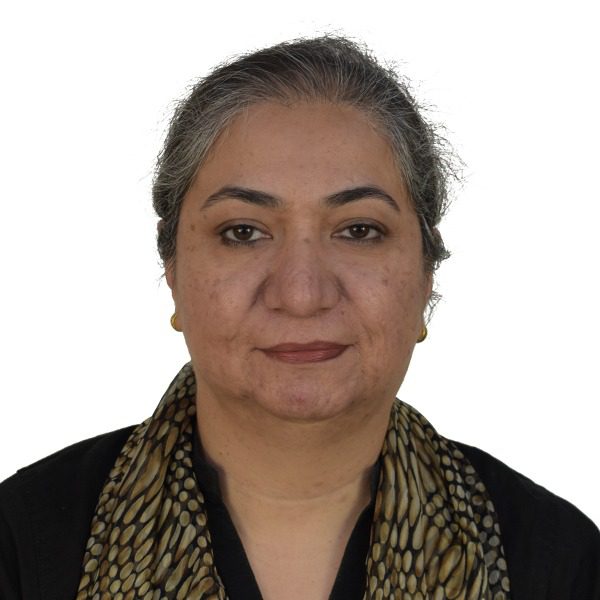
By Ume Laila Azhar
On the occasion of International Domestic Workers’ Day, HomeNet Pakistan stands in solidarity with millions of domestic workers who contribute significantly to households, care work, and the economy, yet continue to remain among the most invisible and vulnerable workers in Pakistan.
Domestic workers perform essential services that sustain families, communities, and the broader economy. Despite their invaluable contribution, many continue to face low wages, excessive working hours, lack of written contracts, and exclusion from social protection systems, occupational hazards, and vulnerability to violence, harassment, and exploitation.
While several provinces have introduced legislative measures for domestic workers, implementation remains weak, and the majority of workers continue to operate without effective legal protection. The gap between policy commitments and practical enforcement must be urgently addressed.
HomeNet Pakistan calls upon federal and provincial governments to:
Ensure effective implementation of domestic workers’ legislation and labor protections.
Guarantee minimum wages and decent working conditions for all domestic workers.
Extend social security, health insurance, and pension benefits to domestic workers.
Establish accessible complaint and grievance redress mechanisms.
Protect domestic workers from all forms of violence, harassment, and discrimination.
Promote registration and formal recognition of domestic workers within labor and social protection systems.
Ratify and implement International Labour Organization Convention 189 concerning Decent Work for Domestic Workers.
HomeNet Pakistan welcomes the growing policy attention to Domestic Workers (DW) and Home-Based Workers (HBWs) within Pakistan’s evolving labour and social protection landscape. The recent deliberations on the Sindh Domestic Workers Bill in the Sindh Assembly represent an important step toward recognizing domestic work as real work that must be governed through rights-based protections, fair wages, and safe and dignified working conditions.
In continuation of this, HomeNet Pakistan strongly urges that this momentum be sustained and replicated across all provinces, particularly through the effective integration of Domestic Workers and Home-Based Workers within the Punjab Labour Code and related labour and social protection frameworks. The inclusion of DWs and HBWs in the Punjab Labour Code presents a critical opportunity to extend legal recognition and protection to some of the most invisible, unprotected, and structurally excluded segments of the workforce.
This urgency is further reinforced by the increasing vulnerability of women and girls engaged in domestic and home-based work, who face heightened exposure to multiple forms of violence, harassment, exploitation, and abuse, including gender-based violence (GBV) in both private and work environments. In the absence of legal protection, regulation, and enforcement mechanisms, these workers remain at significant risk, with limited access to justice, reporting systems, or institutional support. Strengthening legal coverage is therefore not only a labour rights obligation but also an urgent gender justice and protection imperative.
As Pakistan strives to achieve decent work, gender equality, and inclusive economic growth under the Sustainable Development Goals, domestic workers must not be left behind. Recognizing, protecting, and investing in domestic workers is not merely a labor rights issue; it is a matter of social justice, economic development, and human dignity.
HomeNet Pakistan reaffirms its commitment to working alongside domestic workers, trade unions, civil society organizations, and government institutions to advance decent work, social protection, and equal rights for all. Ume Laila Azhar, Executive Director, HomeNet Pakistan
On the occasion of International Domestic Workers’ Day, HomeNet Pakistan stands in solidarity with millions of domestic workers who contribute significantly to households, care work, and the economy, yet continue to remain among the most invisible and vulnerable workers in Pakistan.
Domestic workers perform essential services that sustain families, communities, and the broader economy. Despite their invaluable contribution, many continue to face low wages, excessive working hours, lack of written contracts, and exclusion from social protection systems, occupational hazards, and vulnerability to violence, harassment, and exploitation.
While several provinces have introduced legislative measures for domestic workers, implementation remains weak, and the majority of workers continue to operate without effective legal protection. The gap between policy commitments and practical enforcement must be urgently addressed.
HomeNet Pakistan calls upon federal and provincial governments to: Ensure effective implementation of domestic workers’ legislation and labor protections.
Guarantee minimum wages and decent working conditions for all domestic workers.
Extend social security, health insurance, and pension benefits to domestic workers.
Establish accessible complaint and grievance redress mechanisms.
Protect domestic workers from all forms of violence, harassment, and discrimination.
Promote registration and formal recognition of domestic workers within labor and social protection systems.
Ratify and implement International Labour Organization Convention 189 concerning Decent Work for Domestic Workers.
HomeNet Pakistan welcomes the growing policy attention to Domestic Workers (DW) and Home-Based Workers (HBWs) within Pakistan’s evolving labour and social protection landscape. The recent deliberations on the Sindh Domestic Workers Bill in the Sindh Assembly represent an important step toward recognizing domestic work as real work that must be governed through rights-based protections, fair wages, and safe and dignified working conditions.
In continuation of this, HomeNet Pakistan strongly urges that this momentum be sustained and replicated across all provinces, particularly through the effective integration of Domestic Workers and Home-Based Workers within the Punjab Labour Code and related labour and social protection frameworks. The inclusion of DWs and HBWs in the Punjab Labour Code presents a critical opportunity to extend legal recognition and protection to some of the most c
This urgency is further reinforced by the increasing vulnerability of women and girls engaged in domestic and home-based work, who face heightened exposure to multiple forms of violence, harassment, exploitation, and abuse, including gender-based violence (GBV) in both private and work environments. In the absence of legal protection, regulation, and enforcement mechanisms, these workers remain at significant risk, with limited access to justice, reporting systems, or institutional support. Strengthening legal coverage is therefore not only a labour rights obligation but also an urgent gender justice and protection imperative.
As Pakistan strives to achieve decent work, gender equality, and inclusive economic growth under the Sustainable Development Goals, domestic workers must not be left behind. Recognizing, protecting, and investing in domestic workers is not merely a labor rights issue; it is a matter of social justice, economic development, and human dignity.
HomeNet Pakistan reaffirms its commitment to working alongside domestic workers, trade unions, civil society organizations, and government institutions to advance decent work, social protection, and equal rights for all.


