


By Arslan Ghias
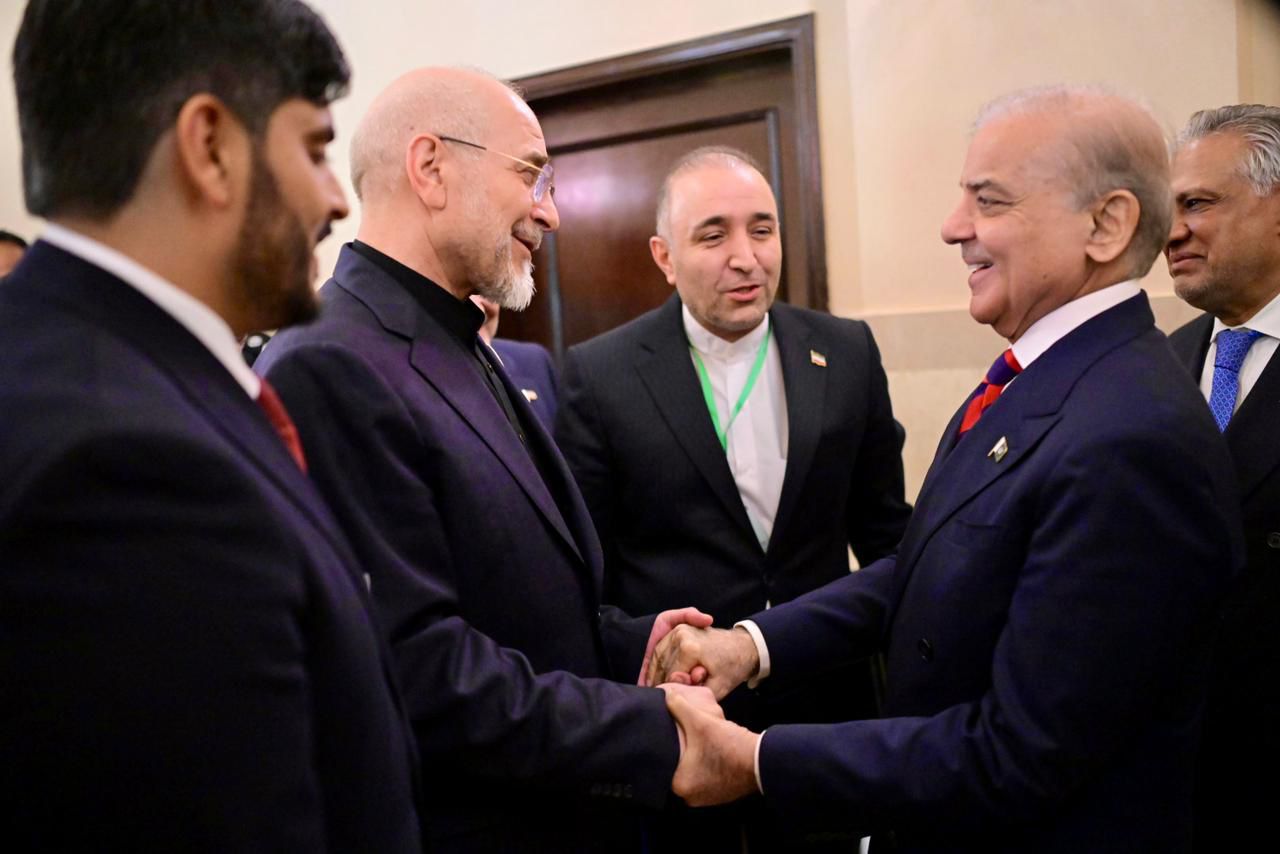
In a world shaped by prolonged conflicts and shifting alliances, even the smallest step toward dialogue carries immense significance. The recent talks between Iran and the United States in Islamabad must be viewed through this broader lens and not as an isolated event. Since the 1979 Iranian Revolution, over four decades – relations between Iran and US have remained strained, marked by sanctions, proxy tensions, and geopolitical rivalry. According to various global assessments, billions of dollars in economic restrictions and regional conflicts have deepened mistrust on both sides. Against such a backdrop, expecting immediate breakthroughs from a single round of talks would be unrealistic. Therefore, absence of a joint statement following the Islamabad meeting has led some to label the talks as failure. I believe it can be called inconclusive not failure, because diplomacy is rarely defined by immediate outcomes. As the saying goes:
Read also: Iran, US representatives arrive, PM Shehbaz leads Pakistan’s mediation push
_“Peace is not an event; it is a process shaped by patience, persistence, and political will.”_
More importantly, unlike previous negotiations, these discussions were notable for their relative independence. No major global influencer was steering the process, and there was no overwhelming superpower pressure forcing a premature agreement. Iran’s firm stance in rejecting certain US demands also reflects a negotiation dynamic that is more balanced, though equally complex.
It is also important to recognize that such engagements often extend far beyond formal meetings. Diplomatic efforts frequently unfold behind closed doors , involving regional stakeholders, intelligence channels, and informal mediators. Islamabad, given its strategic positioning and relations with multiple blocs, serves as a credible platform for such quiet yet critical exchanges.
Another reality of international diplomacy is that peace is not always a universally shared objective. Global politics operates on interests, not ideals. In many cases, a resolution between two nations may disrupt economic advantages, strategic leverage, or regional influence for others. As a result, while some actors push for reconciliation, others may prefer prolonged uncertainty and war.
“_In international relations, conflict often persists not because solutions are absent, but because interests are divided_.”
This is why negotiations of this scale require time, multiple rounds, and sustained engagement. Historical examples — from nuclear agreements to regional peace accords — show that meaningful outcomes often emerge only after prolonged dialogue, setbacks, and recalibration. Therefore, rather than viewing the Iran–US talks in Islamabad as a failure, they should be seen for what they truly represent, a beginning. The mere fact that direct communication took place is, in itself a positive development. It signals a willingness, however cautious, to move away from confrontation toward conversation.
Progress in global diplomacy is rarely dramatic. It is gradual, layered, and often invisible in its early stages. The Islamabad talks are not the destination, but the first step of a long journey.
“_Even the longest path to peace begins with a single conversation_.”
In a region long defined by tension, this moment should not be dismissed. Instead, it should be nurtured with patience, realism, and cautious optimism, because in international relations, the courage to talk is often the foundation upon which lasting peace is eventually built.