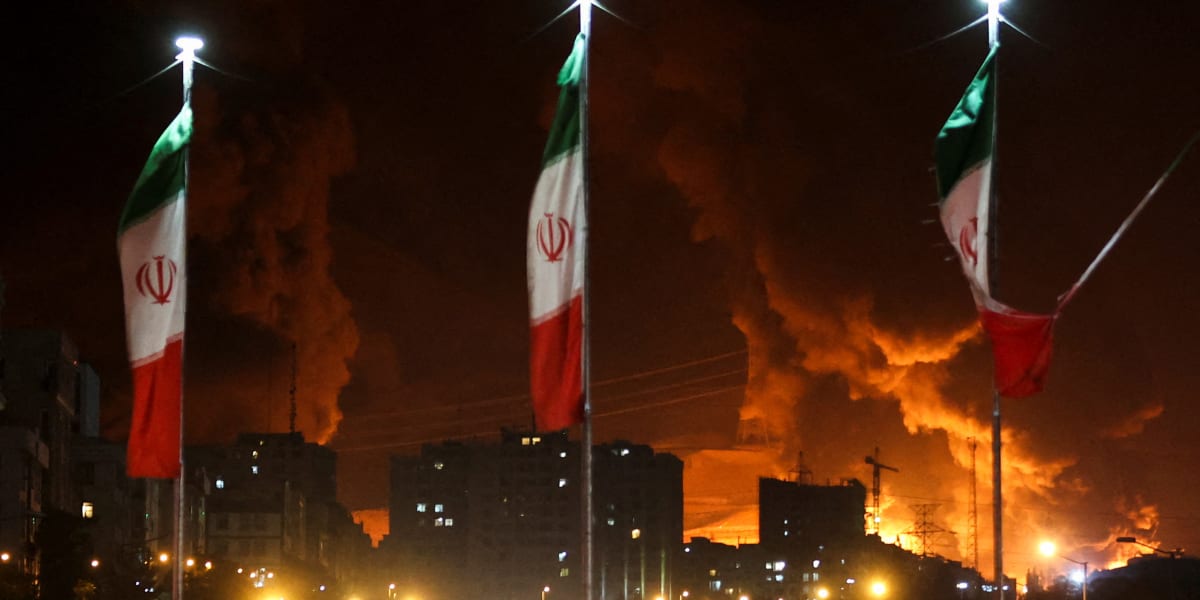




TEL AVIV/TEHRAN (Web Desk) In a dramatic escalation of long-standing regional hostilities, Israel carried out a high-intensity airstrike in the early hours of Friday, targeting key sites in Tehran, Iran’s capital. The strike, part of a wider military strategy shaped over years of shadow conflict, is believed to be the most direct Israeli attack on Iranian soil to date, signaling a dangerous new phase in Middle Eastern geopolitics.
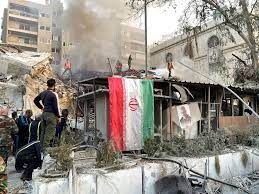
Explosions echoed across the city as residential and suspected military-linked sites were hit. Iranian emergency services scrambled to contain fires and rescue civilians trapped beneath the rubble. Authorities in Tehran condemned the assault, labeling it an act of war, while Israel defended the operation as a preemptive move to neutralize growing nuclear threats.
The roots of this confrontation trace back decades, particularly after Iran’s 1979 revolution when its leadership openly opposed Israel, the United States, and Britain. Israel, in turn, has viewed Iran as a strategic threat due to its nuclear ambitions and support for anti-Israel groups like Hezbollah, Hamas, and the Houthis.
Nuclear Fears and a Widening Rift
Israel’s leadership, especially Prime Minister Benjamin Netanyahu, has consistently described Iran’s nuclear program as an existential threat. Despite Iran’s insistence that its nuclear activities are for peaceful purposes, international observers including the International Atomic Energy Agency (IAEA) have noted Iran’s accumulation of enriched uranium at near weapons-grade levels—enough for multiple nuclear warheads if weaponized.
Netanyahu, speaking shortly after Friday’s strike, said Israel had no choice but to act. “Tehran’s regime has openly called for our destruction while actively working toward nuclear capability. The time to wait has passed,” he said.
Recent reports of Iran upgrading its uranium enrichment infrastructure, particularly after a rare IAEA censure just one day before the attack, appear to have been the final trigger. Iran’s announcement to install more advanced centrifuges at a third enrichment site only deepened Israeli fears.
Crumbling of Iran’s Regional Network
Another factor in Israel’s timing may be the recent weakening of Iran’s regional influence. Iran’s longstanding network of allies, often referred to as the “Axis of Resistance,” has suffered a string of defeats over the past 20 months.
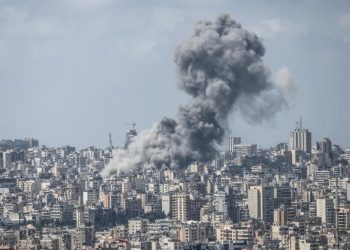
Hamas has been severely degraded following its October 2023 attack on Israel and the ensuing Israeli counteroffensive in Gaza. The Lebanese militant group Hezbollah has also suffered massive losses due to targeted Israeli strikes. Israel reportedly used innovative technology—such as coordinated pager and radio-based operations—to dismantle its leadership and command infrastructure in southern Lebanon.
These events led to the eventual collapse of the Assad regime in Syria, where Iran had invested significant military and political capital. With its main regional partners destabilized or dismantled, Iran stands increasingly isolated.
U.S. Caution and Diplomatic Fallout
The airstrike comes just days before a scheduled round of nuclear negotiations between Iran and global powers in Oman. While President Donald Trump’s administration has favored a diplomatic resolution, it has also been staunchly supportive of Israel, providing intelligence and military aid over the years.
Though Trump publicly urged restraint, his administration has yet to criticize the Israeli strike. Analysts believe the U.S. may attempt to de-escalate the situation diplomatically while supporting Israel’s broader security objectives.
Global Reaction and Risks Ahead
The global community has responded with alarm. Some European nations have called for an immediate ceasefire, fearing the strike could ignite a broader war in the region. Iran, for its part, has vowed retaliation and has placed its military on high alert.
Regional analysts warn that Friday’s attack could trigger a prolonged direct conflict, particularly if Iran targets Israeli or U.S. interests in the Gulf or beyond.
As both sides brace for potential escalation, the international community watches closely, aware that one misstep could turn this long-simmering shadow war into a full-scale confrontation.