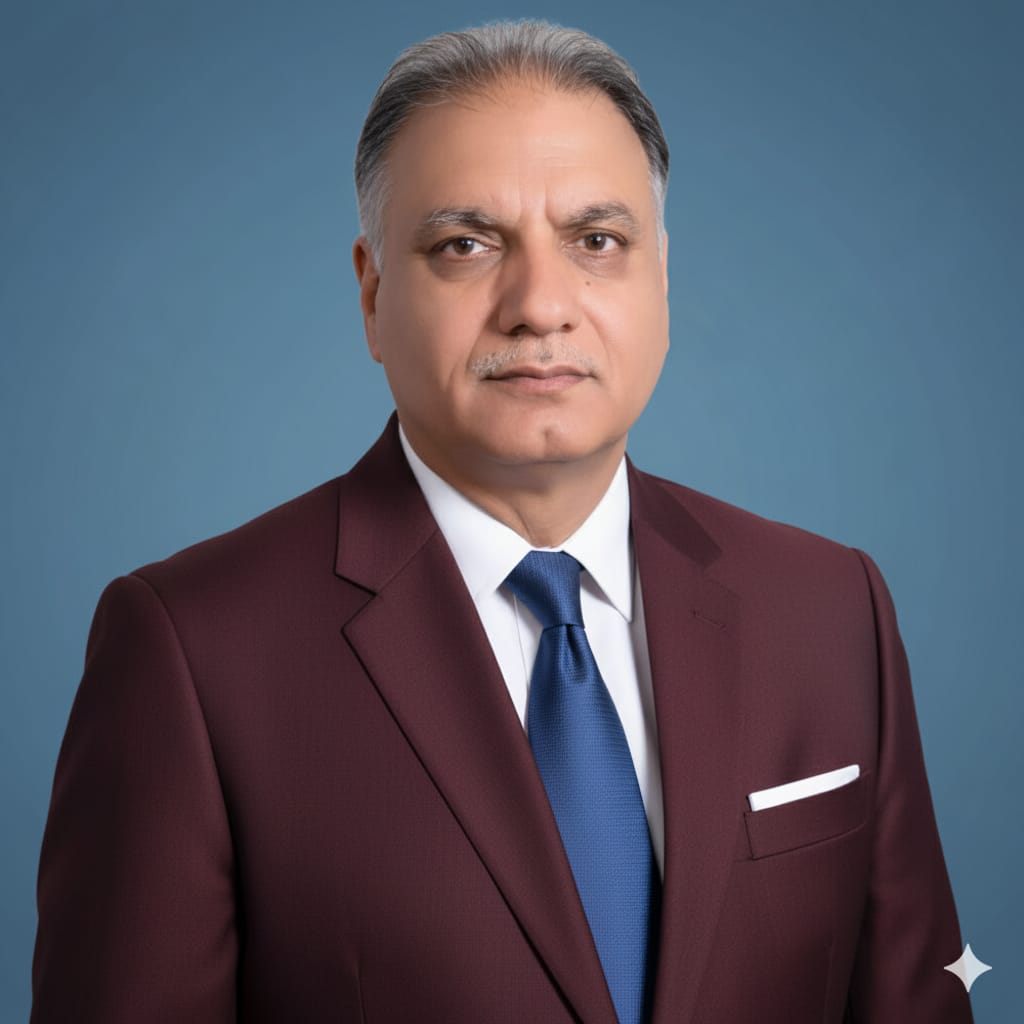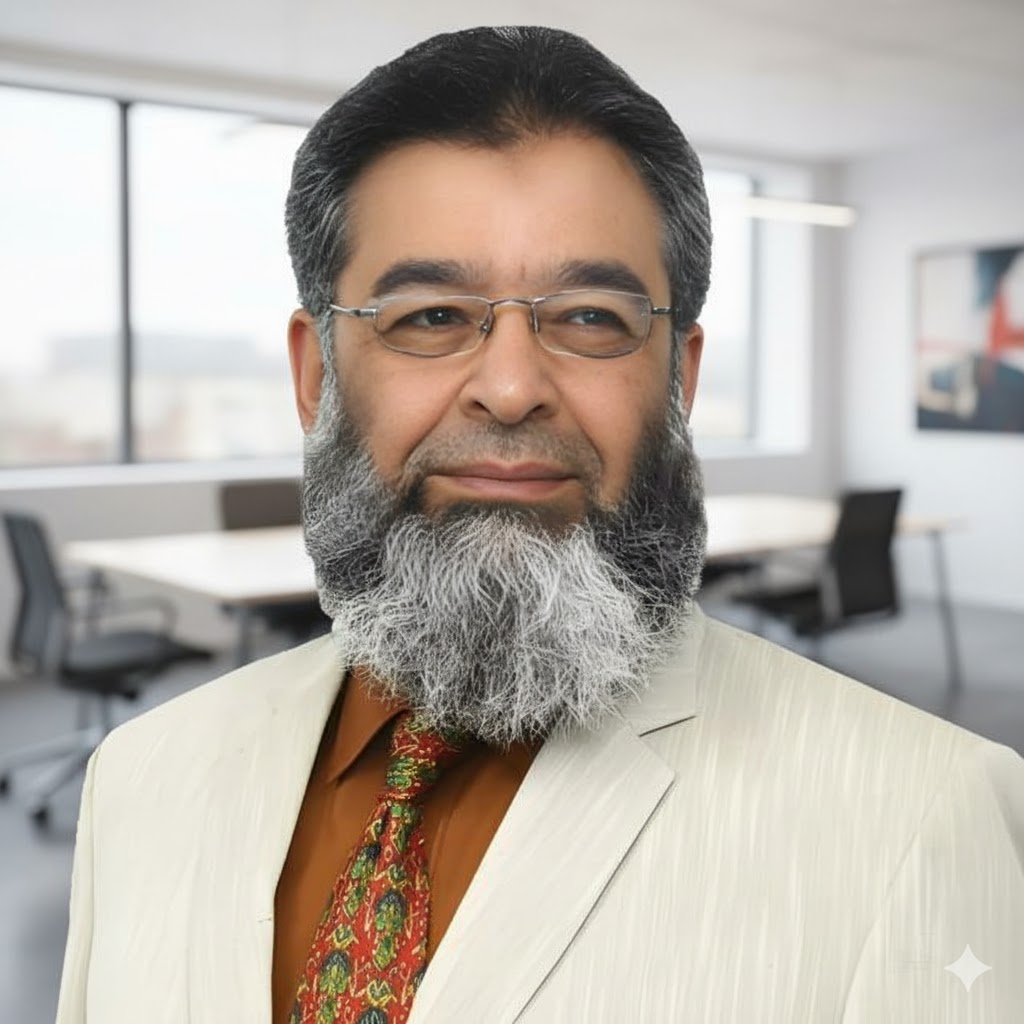



By Takallum Bartaraf | Mushtaq A. Sarwar
Some puzzles of the global economy cannot be solved through numbers alone. Behind them lie power struggles, layers of economic history, and invisible political forces. Today, the biggest question facing the world is this: Is the era of the US dollar’s global dominance coming to an end? This is not merely an economic issue but a matter that concerns the future of every country, every business, and every citizen.
Read also: Pakistan and Malaysia: A new horizon of mutual cooperation
Countries of the Global South — Asia, Africa, and Latin America — are openly claiming that their trust in the dollar is weakening. And behind this decline lie not only economic reasons but political and strategic factors as well.
In recent years, the United States has imposed tariffs and sanctions on both allies and rivals. The White House has pressured its own central bank, expanded debt limits, and created uncertainty in global financial markets. At the same time, rising economic and military competition with China and broken security commitments in the Middle East have created an atmosphere of distrust among many nations. Collectively, these developments signal that a new financial order may be emerging — one in which the dollar’s supremacy may no longer remain unchallenged.
The real strength of the dollar is not in notes, reserves, or bank balances. Its true power lies in global trust. America’s strong economy, transparent financial system, open markets, and stable political structure have historically given the dollar unmatched global status. Nearly 60 percent of global foreign exchange reserves are held in dollars, and almost 80 percent of world trade is conducted in dollars. Oil, gold, and other commodities are also priced in dollars. For this reason, the dollar’s throne still appears secure, and its fall is far more difficult than many assume. Yet the reality is also clear: challenges to the dollar have begun.
The U.S. has increasingly turned the dollar into a strategic weapon. Countries like Russia, Iran, and Venezuela realized that America’s power through the dollar is not only economic but deeply political. Freezing billions of dollars within weeks, imposing sanctions, and pressuring global markets are examples of this weaponization. This is the moment when the world began to ask whether a single nation’s currency — one tied so closely to its political agenda — should dominate global trade. This question now shapes the thinking of many Global South nations.
China stands as the strongest contender to challenge the dollar, but it faces major hurdles. The yuan is still not fully convertible and cannot be used globally like the dollar. International trust in China’s political system is limited. The U.S.-China trade war and geopolitical pressure have also slowed the yuan’s rise. China has made efforts through Belt and Road payments in yuan, oil deals with Russia and Gulf states, and financial cooperation with BRICS countries. However, these moves remain small steps compared to the global weight of the dollar.
In theory, BRICS — Brazil, Russia, India, China, and South Africa — could emerge as a powerful economic bloc. But in reality, they remain far weaker than the dollar-based global system. Their economic priorities differ, they lack a unified financial framework, mutual trade dependence is limited, and political cohesion is incomplete. These factors show that the dollar’s throne is still intact — though cracks have begun to appear at the edges. Many nations are exploring currency diversification, but global finance still revolves around the dollar.
Pakistan has always depended heavily on the dollar. Our exports, imports, debt, and daily commercial transactions all revolve around it. If the world truly moves toward a multipolar financial order, Pakistan will have to rethink its strategy. It must expand yuan-based trade with China, negotiate local-currency agreements with Gulf countries, strengthen exports, and treat financial sovereignty as a pillar of national security. Otherwise, the cracks forming in the dollar’s global structure could end up harming Pakistan the most.
This is not just a global power struggle; it is also a daily-life issue for Pakistanis. From Karachi to Khyber, traders feel every movement in the dollar. Higher interest rates, falling exports, or currency depreciation — the common citizen pays the price first. That is why the debate over the dollar’s dominance is not just for economists; it concerns every Pakistani.
Dollar dominance may be weakening, but its end is nowhere in sight — at least not in the next ten to twenty years. For now, its throne remains secure, though the cracks are visible. The world’s mindset is shifting, but much of global trade still revolves around the dollar. Our responsibility is to strengthen our economic strategy and financial independence so that Pakistan is not the first casualty of any global financial earthquake.
These complex dynamics of dollar power, global political pressures, and shifting economic forces show that the international financial landscape is constantly transforming. For countries like Pakistan, this moment is both a risk and an opportunity. Nations that prepare their youth and resources for global financial shifts lead the way in shaping their economic future.