



BEIRUT / WASHINGTON (Agencies) —
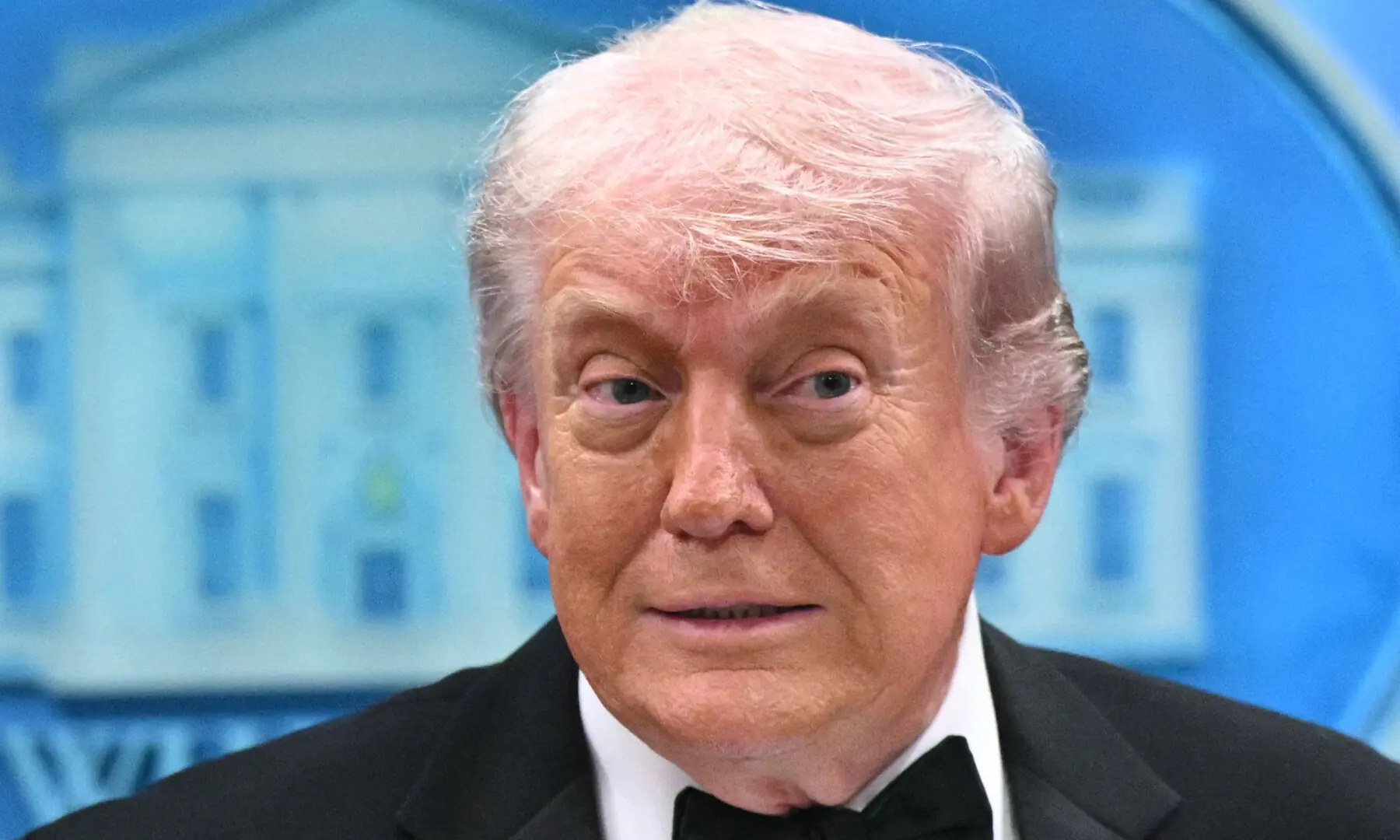
U.S. President Donald Trump has confirmed that he used strong language, including calling Israeli Prime Minister Benjamin Netanyahu “crazy,” during a recent phone call, as tensions grow over Israel’s ongoing military operations in Lebanon and their impact on wider regional peace efforts involving Iran.
In remarks released Wednesday, Trump said he was “a little bit perturbed” during the conversation, arguing that Israel’s continued fighting with Hezbollah in Lebanon is complicating diplomatic attempts to advance peace negotiations with Iran.
Despite the heated exchange, Trump emphasized that his relationship with Netanyahu remains strong. He described the Israeli leader as a “wartime” partner and insisted that both leaders continue to maintain close coordination on security matters.
“We’ve worked very well together. I like Bibi a lot. And I work very well with him,” Trump told The New York Post’s *Pod Force One* podcast.
Netanyahu, responding separately in an interview with CNBC, confirmed that he and Trump sometimes have “tactical disagreements,” but said both leaders share common goals and ultimately remain aligned on core strategic issues.
“He respects me. I respect him. We always find a way to work out our differences,” Netanyahu said.
The exchange comes amid escalating regional tensions linked to the broader conflict involving Israel, Hezbollah in Lebanon, and Iran-backed networks across the Middle East. U.S.-led diplomatic efforts have been ongoing for weeks, aiming to stabilize a fragile ceasefire framework and expand it into a more comprehensive regional truce.
Trump suggested that continued military escalation in Lebanon is slowing progress on Iran-related negotiations, which Washington has prioritized as part of a broader regional de-escalation strategy. He also pointed to rising global economic pressures, including energy price volatility and uncertainty in international trade routes, as added urgency for a diplomatic breakthrough.
In the CNBC interview, Trump avoided committing to a firm timeline for resolving the Iran conflict. He said key maritime routes, including the Strait of Hormuz, could remain disrupted through early September, though he expressed hope that the situation would “resolve itself fairly quickly.”
He also claimed that Iran’s leadership structure remains involved in discussions, stating that Supreme Leader Mojtaba Khamenei is “involved” in internal decision-making around the talks. Trump further alleged that Khamenei has been impacted by injuries sustained in a prior airstrike, though these claims have not been independently verified.
Meanwhile, violence across the region continues to complicate diplomatic efforts. Reports from the Gulf indicated that Kuwait briefly shut down its main airport after drone activity damaged infrastructure at a passenger terminal, resulting in casualties and renewed concerns about the spillover of the conflict into neighboring states.
In Lebanon, fighting between Israel and Hezbollah has continued despite ongoing international mediation. Israeli airstrikes have hit multiple areas, including near Beirut and in southern regions, while Hezbollah has continued cross-border operations. Civilian casualties and displacement have increased significantly, with humanitarian conditions worsening in several districts.
A recent U.S.-brokered arrangement between Israel and Lebanon, aimed at reducing strikes on Beirut’s southern suburbs and limiting cross-border attacks, has shown limited progress. However, both sides continue to accuse each other of violations, and ceasefire negotiations remain fragile.
Israeli strikes have also extended into areas near Tyre and Nabatiyeh, where civilian casualties were reported following overnight attacks. Israeli authorities have issued warnings to certain neighborhoods, claiming Hezbollah presence, while Lebanese officials have deployed forces in response to prevent further escalation.
On the ground, the humanitarian toll continues to rise. Entire families have been killed in strikes in southern Lebanon, with survivors describing devastating scenes of collapsed buildings and delayed rescue efforts. Displacement figures have reached into the millions, reflecting the scale of the ongoing conflict.
The war’s wider regional impact has also become increasingly evident, with spillover violence affecting infrastructure, civilian movement, and diplomatic engagement across multiple countries.
Analysts say the situation underscores the growing interconnection between the Israel-Hezbollah war and broader Iran-related negotiations, with each conflict influencing the other and reducing the space for separate diplomatic solutions.
As hostilities continue, international mediators face mounting pressure to secure a durable ceasefire that can prevent further escalation across an already volatile region.
—


