


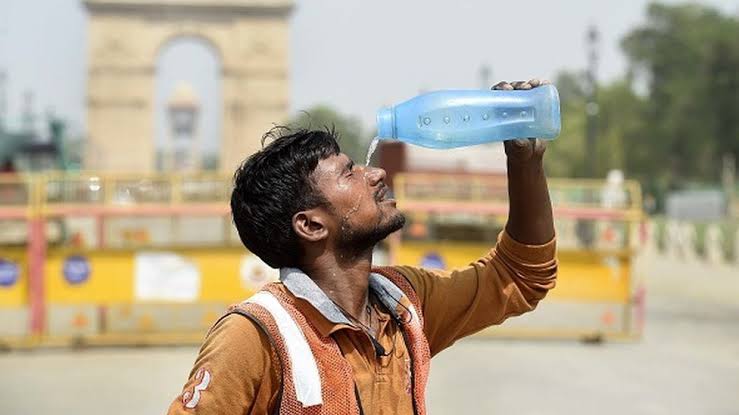
NEW DELHI (Web Desk) — A new study has raised concerns that India may be significantly undercounting deaths linked to extreme heat, suggesting the actual human toll of rising temperatures could be far higher than official figures indicate.
Researchers from University of California, Berkeley found that many heat-related deaths are not recorded because heat often contributes indirectly to fatal medical conditions such as heart attacks, strokes and respiratory illnesses rather than being listed as the primary cause of death.
The findings suggest India’s current reporting system may fail to capture the full impact of increasingly severe heatwaves, making it more difficult for authorities to understand the scale of the crisis and develop effective public health responses.
According to the research published in May, a single day of extreme heat may lead to approximately 3,400 excess deaths across India. The researchers estimated that a five-day heatwave could result in nearly 30,000 additional deaths nationwide, significantly exceeding official statistics.
The study was based on mortality and temperature data collected from 10 Indian cities, where researchers examined how death rates changed as temperatures increased. Using these findings, they estimated the nationwide impact of extreme heat.
Research co-author Ashok Gadgil said accurately measuring the effects of heat is essential for designing policies that protect vulnerable communities.
The researchers noted that without reliable data, governments may underestimate the health risks posed by climate change and fail to allocate sufficient resources for emergency preparedness, healthcare and public awareness campaigns.
Heatwaves have become more frequent, longer-lasting and more intense across South Asia in recent years. Scientists attribute the trend largely to climate change, warning that densely populated countries such as India face growing risks because millions of people work outdoors or live in poorly ventilated homes without access to cooling systems.
The study also emphasized the importance of developing localized heat action plans instead of relying solely on national strategies. Different cities experience varying temperatures, humidity levels and population vulnerabilities, requiring location-specific measures to reduce heat-related illnesses and deaths.
Experts recommend expanding early warning systems, increasing public access to drinking water, establishing cooling centres, improving emergency medical services and encouraging employers to adjust working hours during periods of extreme heat.
The arrival of the annual monsoon has begun to bring relief to many parts of India by lowering temperatures. However, meteorologists warn that increased humidity accompanying the rains can also create dangerous conditions, making it harder for the human body to cool itself and increasing the risk of heat stress.
Residents in several low-income neighbourhoods continue to face difficult living conditions despite the seasonal change. Many homes lack proper insulation, ventilation or reliable electricity, exposing families to prolonged periods of extreme indoor heat.
For students, daily wage labourers and street vendors, prolonged heatwaves have disrupted education, reduced productivity and increased health risks. Many workers report being forced to shorten working hours or take frequent breaks to avoid heat exhaustion, affecting household incomes.
Public health experts say governments should improve heat-related mortality reporting by including deaths in which extreme temperatures contribute indirectly to fatal medical conditions. More comprehensive data would help policymakers better assess the impact of climate change and strengthen long-term adaptation strategies.
Researchers believe improved monitoring systems, stronger healthcare preparedness and targeted community-level interventions will become increasingly important as global temperatures continue to rise. They argue that recognising the true scale of heat-related deaths is the first step toward protecting vulnerable populations.
The study adds to growing scientific evidence that extreme heat is becoming one of the deadliest consequences of climate change. Researchers say governments across South Asia must strengthen heat action plans, improve public health surveillance and invest in climate resilience to reduce the growing human and economic costs of increasingly frequent and intense heatwaves.


