


By Commerce Reporter
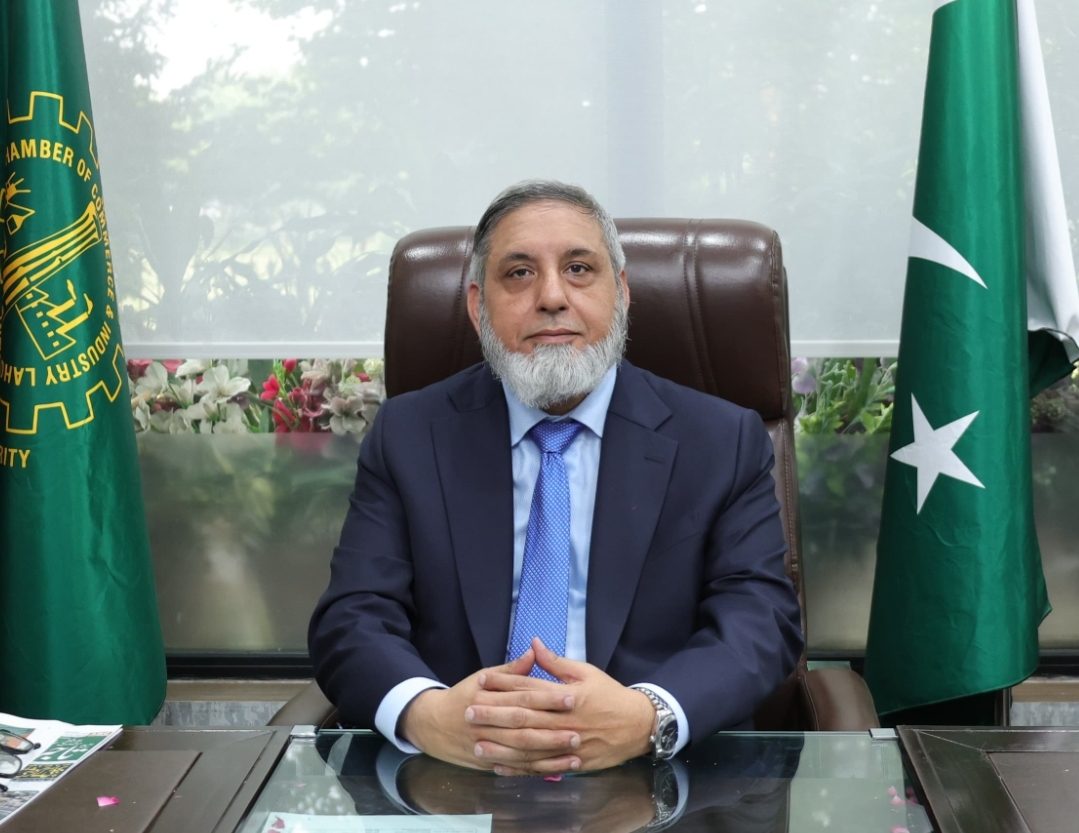
LAHORE: The Senior Vice President (SVP) of the Chamber of Commerce, Tanveer Ahmad Sheikh, has expressed deep concern over the alarming rise in Pakistan’s circular debt, which is projected to reach Rs1.9 trillion. He warned that this persistent increase reflects deep-rooted structural inefficiencies in the power sector and poses a serious threat to the country’s economic stability, industrial productivity, and overall growth trajectory.
Read also: Pakistan’s solar energy crosses national grid production
The SVP emphasized that the continuous accumulation of circular debt is not only placing immense pressure on public finances but is also directly affecting the business community across the country. Frequent energy shortages, escalating electricity tariffs, and an unreliable power supply are significantly increasing the cost of doing business. As a result, Pakistani industries are struggling to remain competitive in both domestic and international markets.
He noted that small and medium enterprises (SMEs), which form the backbone of Pakistan’s economy, are particularly vulnerable. Many businesses are being forced to cut production, lay off workers, or, in some cases, shut down operations entirely due to the unsustainable energy situation. This, he added, is contributing to rising unemployment and slowing economic activity.
“Without urgent and meaningful reforms, the situation will continue to deteriorate,” said Tanveer Ahmad Sheikh. “It is imperative for the government to take immediate and decisive measures to control the growing circular debt. This includes addressing transmission and distribution losses, improving bill recovery mechanisms, and ensuring transparency in the energy sector.”
He further stressed the importance of long-term structural reforms, including diversification of energy sources, investment in renewable energy, and modernization of infrastructure. Strengthening governance and enforcing strict accountability across all stakeholders in the power sector are also critical to breaking the cycle of debt accumulation.
The SVP urged policymakers to engage with industry representatives and develop a comprehensive, sustainable strategy to resolve the issue. “A stable and efficient energy sector is essential for economic growth, investor confidence, and industrial expansion. Without it, Pakistan risks falling further behind in an increasingly competitive global economy,” he concluded.


