


By Our Correspondent
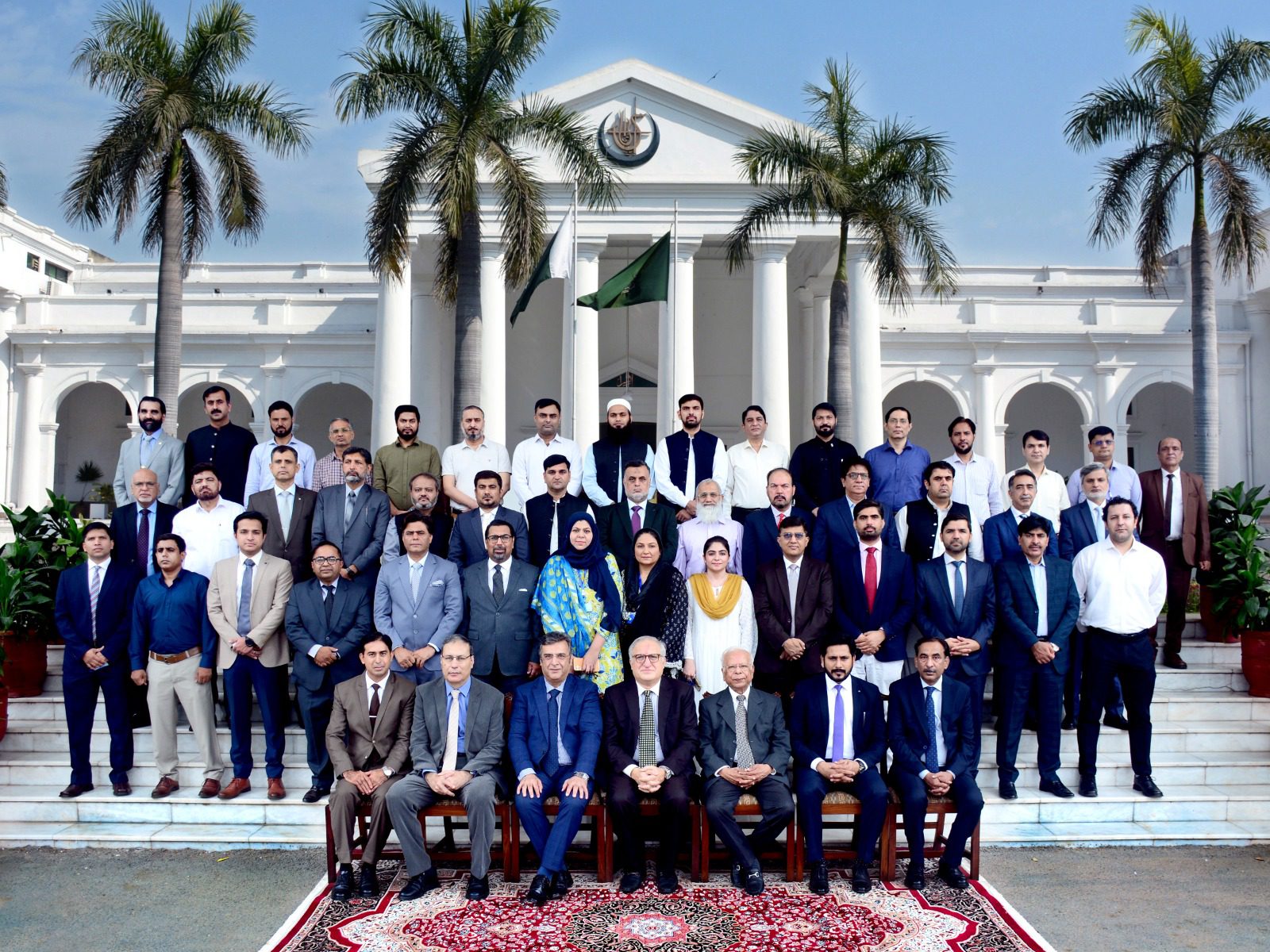
LAHORE: The Executive Development Institute (EDI) of the National School of Public Policy (NSPP) successfully organised a two-day training course on Public Financial Management (PFM) for senior government officials and key decision-makers from the public and private sectors from July 22 to 23, 2026.
The programme attracted a diverse group of participants from across Pakistan, including federal and provincial civil servants, private-sector executives and academics. Representatives from major institutions—including the Senate of Pakistan, Ministry of Defence Production, General Headquarters (GHQ), Ministry of Science and Technology, Pakistan Aeronautical Complex, Pakistan Airports Authority (PAA), Airport Security Force (ASF), Sui Northern Gas Pipelines Limited (SNGPL), Public Procurement Regulatory Authority (PPRA), Lahore Electric Supply Company (LESCO), Federation of Pakistan Chambers of Commerce and Industry (FPCCI), Pakistan National Shipping Corporation, National Tariff Commission (NTC), Pakistan Engineering Council (PEC), Asian Development Bank (ADB) and WWF-Pakistan—attended the training.
Welcoming the participants, Dr Naveed Elahi, Dean of EDI, underscored the importance of practical learning in financial planning, budget execution, internal financial controls and financial reporting to strengthen public financial governance, transparency and accountability.
Kamran Ahmed, Director of EDI, highlighted the institute’s achievements and future objectives, stressing the value of expert-led training programmes and the participation of professionals from diverse sectors and regions of the country.
The first day began with a keynote address by Farhan Aziz Khawaja, Rector of NSPP, on Pakistan’s public finance architecture. Renowned economist, former State Bank governor and former adviser to the prime minister Dr Ishrat Husain delivered a session on the fundamentals of public financial management and strategic reforms. Former Punjab Mass Transit Authority Managing Director Sabtain Fazal Haleem discussed public procurement and public-private partnerships (PPP), while former federal secretary Dr Shujaat Ali spoke on fiscal federalism and the National Finance Commission (NFC).
On the second day, Dr Arshad Hassan of Lahore School of Economics, Salahuddin, Director of PAC College, Numana Gul Rukh Fareed, Accountant General Punjab, and Dr Rizwan Basharat, Collector of Customs (Appraisement), conducted sessions on tax compliance, budgeting, accounting and auditing, financial transparency, and the transformative role of artificial intelligence (AI) in public finance.
Addressing the closing session, Rector Farhan Aziz Khawaja and Dean Dr Naveed Elahi appreciated the participants’ active engagement and emphasised the importance of applying the knowledge gained to promote financial transparency, accountability and sound public financial management in Pakistan. Certificates were distributed among participants in recognition of their successful completion of the training programme.

