


By Commerce Reporter
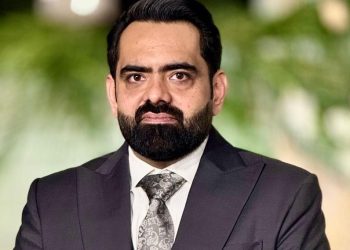
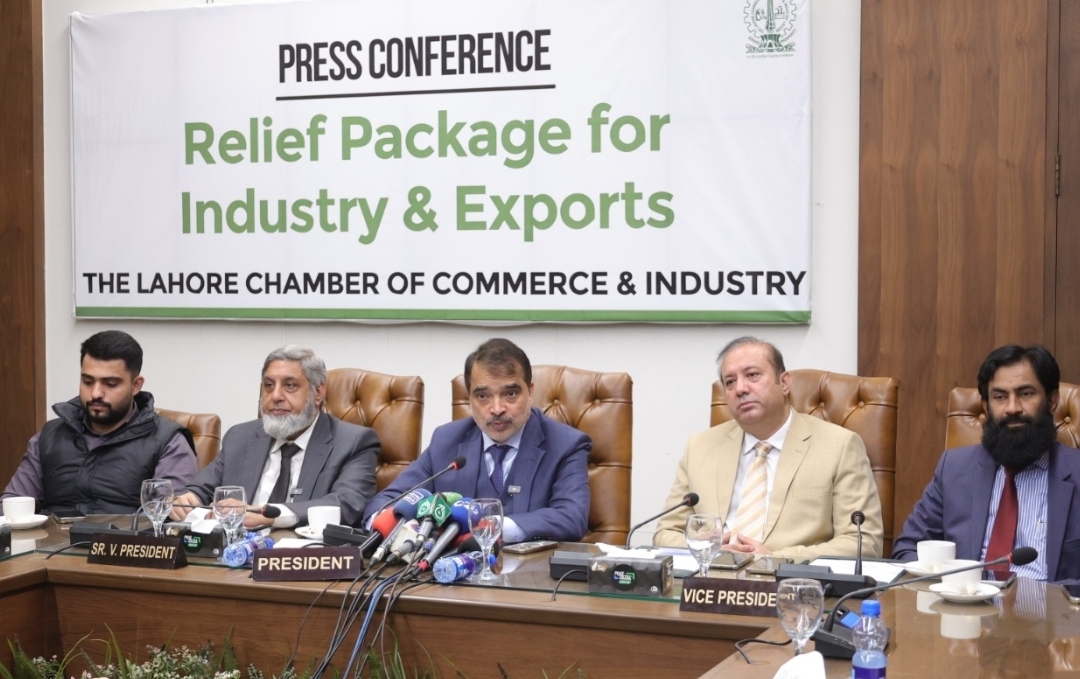
LAHORE: — President of the Lahore Chamber of Commerce and Industry Faheem ur Rehman Saigol has thanked the Government of Pakistan for abolishing Rs 102 billion cross-subsidy imposed on the industrial sector and demanded the immediate withdrawal of Rs 90 billion cross-subsidy imposed on traders and commercial consumers across the country.
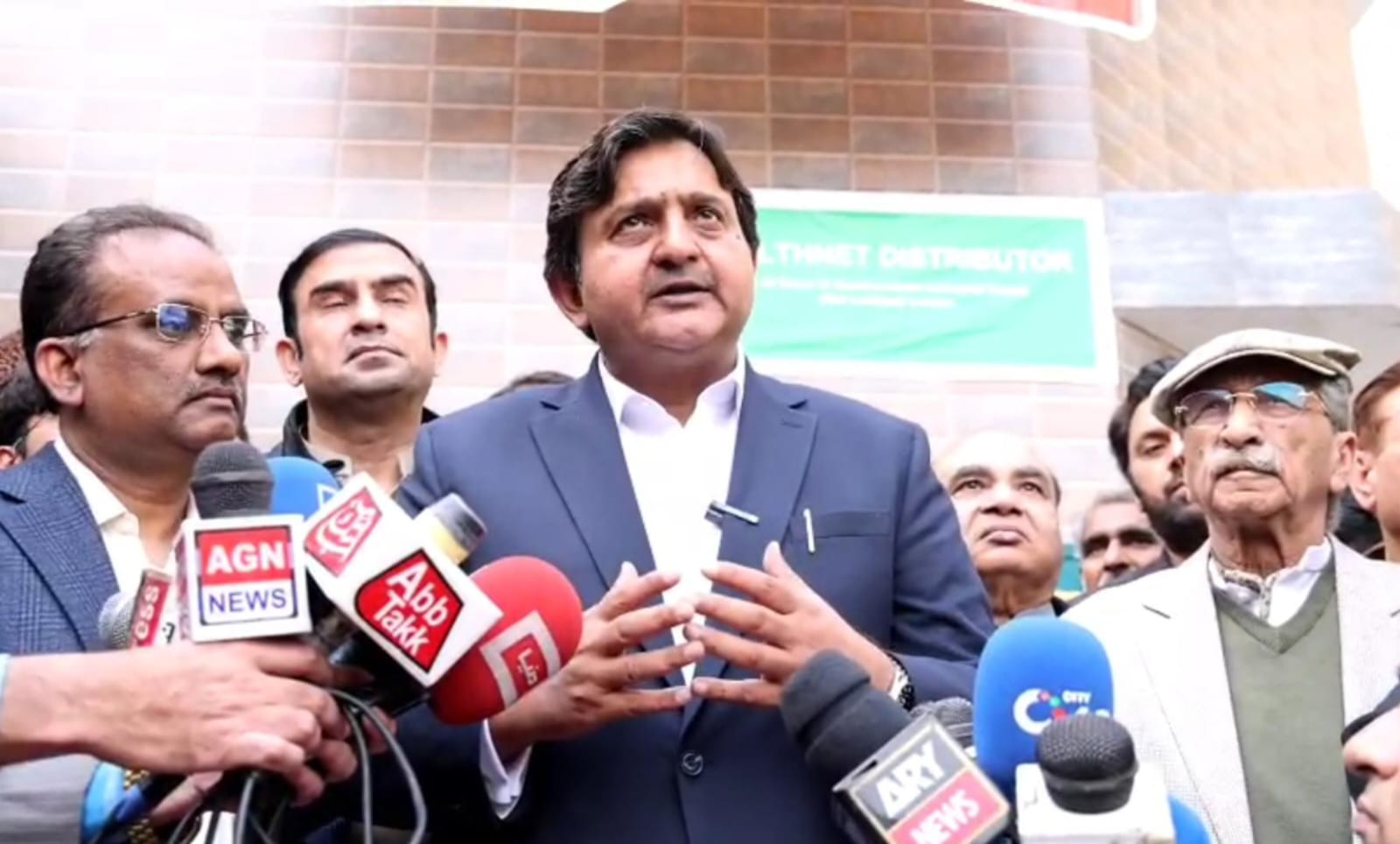
He expressed these views while addressing an emergency press conference at the Lahore Chamber. Senior Vice President Tanveer Ahmed Sheikh, Vice President Khurram Lodhi, Executive Committee members Aamir Ali, Rana Shouban Akhtar, Asif Khan, Waqas Aslam, and former Vice Presidents Tahir Manzoor Chaudhry and Mian Zahid Javed were also present.
The LCCI President said that the reduction of electricity tariff by Rs4.04 per unit and the abolition of cross-subsidy is a major and timely relief for Pakistan’s industrial sector. He added that this decision will help local industry counter the expected competitive pressure arising from the Free Trade Agreement between India and the European Union.
Faheem ur Rehman Saigol said that a 3 percent reduction in export refinancing rates and a Rs 4.04 cut in electricity wheeling charges will provide significant relief to exporters and industrial units. He urged the federal government to issue immediate notifications so that industries and businesses can accelerate production without delay.
He said the Rs 90 billion cross-subsidy imposed on traders and the commercial sector has become unbearable. Its removal would reduce the cost of doing business, improve consumers’ purchasing power, help control inflation, stabilize retail prices, and boost overall economic activity.
The LCCI President pointed out that Pakistan, with a population of around 250 million, is a large consumer market. Lower inflation would increase spending, enhance business activity, and improve government tax revenues.
Commenting on super tax, he said that its implementation after court decisions may create liquidity issues for major taxpayers. He suggested that the government should collect super tax in easy installments to avoid financial stress on the business community while achieving revenue targets.
Faheem ur Rehman Saigol said that the Rs4.04 per unit reduction in electricity tariff translates into about 1.45 percent in US dollar terms, which is higher than many regional economies. However, to effectively compete with India, China, Vietnam, and Bangladesh, Pakistan must bring both electricity tariffs and interest rates into single digits.
He stressed that exports cannot grow unless energy costs and interest rates for SMEs and large industries are reduced to competitive levels and emphasized the need to provide a level playing field for sustainable industrial growth and job creation.
Speaking on energy reforms, the LCCI President said Pakistan must shift from expensive oil-based power generation to hydropower. He added that through small dams and water reservoirs, more than 20,000 megawatts of low-cost electricity can be produced.
He also expressed concern over capital outflow due to heavy taxation in the real estate sector, noting that $179 billion investment was made in Dubai’s real estate sector in 2025 alone, with a significant portion likely coming from Pakistani investors. He said tax reforms and a business-friendly environment are essential to attract this investment back to Pakistan.
Senior Vice President Tanveer Ahmed Sheikh and Vice President Khurram Lodhi said that reducing energy and financing costs is crucial for Pakistan to compete with India, China, and Bangladesh. They expressed hope that after the completion of the IMF program, the government would have greater flexibility to introduce reforms and that the economy would gradually move toward stability.