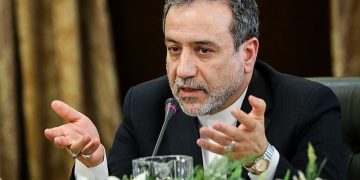



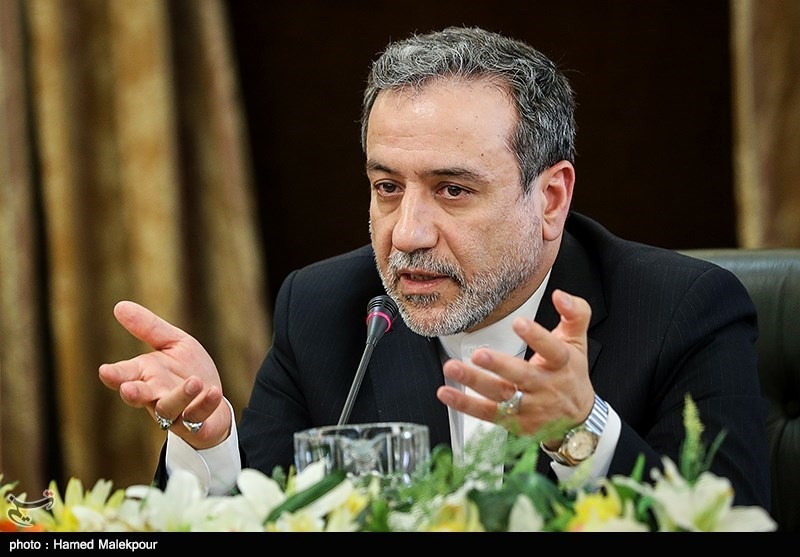
DUBAI/ISLAMABAD (Web Desk) – Iran’s top diplomat Abbas Araghchi is expected in Pakistan for high-level talks aimed at advancing ceasefire diplomacy between Tehran and Washington, as Islamabad intensifies efforts to bring the two sides back to the negotiating table amid a fragile regional security environment.
Read also: Iran strongly repeated its promise to limit ships passing through area
Iran’s state-run IRNA news agency confirmed Friday that Araghchi would begin a regional diplomatic tour including Pakistan, Oman and Russia, with discussions expected to focus on bilateral ties, evolving regional developments and the latest situation surrounding the conflict involving Iran, the United States and Israel.
The visit is being seen as a significant diplomatic step as Pakistan continues mediating efforts to secure a second round of ceasefire negotiations between Tehran and Washington after earlier talks failed to resume as anticipated.
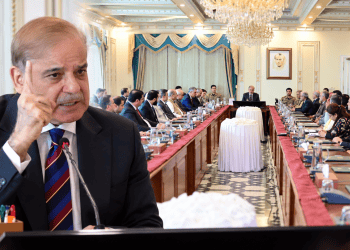
Pakistani officials said Araghchi was expected to arrive with a small delegation and hold consultations with senior civilian and military leadership, including Foreign Minister Ishaq Dar and Chief of Army Staff Asim Munir.
According to officials, discussions are likely to centre on ceasefire arrangements, regional stability and pathways to renewed diplomatic engagement.
Islamabad has been actively working to preserve momentum in peace efforts after US President Donald Trump announced an extension in the ceasefire with Iran, reportedly in response to Pakistan’s request for additional time for diplomatic outreach.
Pakistani diplomatic sources said the Iranian minister’s trip could help prepare the ground for another round of direct or indirect negotiations between Tehran and Washington.
The diplomatic push comes against the backdrop of continued tensions in and around the strategically vital Strait of Hormuz, through which a significant share of the world’s oil and gas supplies passes.
Despite ceasefire efforts, maritime tensions remain high. Reports indicate Iran has maintained pressure on shipping traffic in the waterway, while the United States has reinforced its military posture in the region.
Washington now has three aircraft carriers deployed across the broader Middle East theatre — an unprecedented concentration in the region in more than two decades. US Central Command said the force includes roughly 200 aircraft and around 15,000 sailors and Marines.
Meanwhile, the White House announced a 90-day extension to a waiver easing shipping restrictions under the Jones Act, a move officials said was intended to support energy supply flows and help stabilise markets disrupted by the conflict.
Following the announcement, global oil prices eased, with Brent crude retreating after earlier surging above $107 a barrel amid concerns over supply risks linked to the crisis.
Earlier Friday, Araghchi held consultations with Pakistani officials on ceasefire-related matters, with both sides emphasising diplomacy and dialogue.
Pakistan’s Foreign Ministry said the two countries exchanged views on regional developments, ceasefire arrangements and ongoing diplomatic initiatives being pursued by Islamabad to support US-Iran engagement.
Dar underscored the need for sustained dialogue to address unresolved issues and advance regional peace and stability, the ministry added.
Observers say Pakistan’s mediation role has gained prominence as it seeks to leverage ties with both Washington and Tehran to prevent wider escalation.
The renewed diplomacy also comes as the humanitarian toll of the conflict continues to mount. Thousands have reportedly been killed across Iran and Lebanon since hostilities began, while casualties have also been reported in Israel and Gulf states.
Fighting involving Hezbollah has further complicated the regional picture, raising fears of broader spillover.
Analysts say Araghchi’s visit could prove pivotal in determining whether stalled ceasefire negotiations can regain traction, particularly as military tensions remain elevated despite diplomatic signals.
While no formal breakthrough has yet been announced, officials in Islamabad appear hopeful the visit could inject fresh momentum into efforts aimed at transforming a fragile ceasefire into a more durable political process.