


By The Tribune International Staff
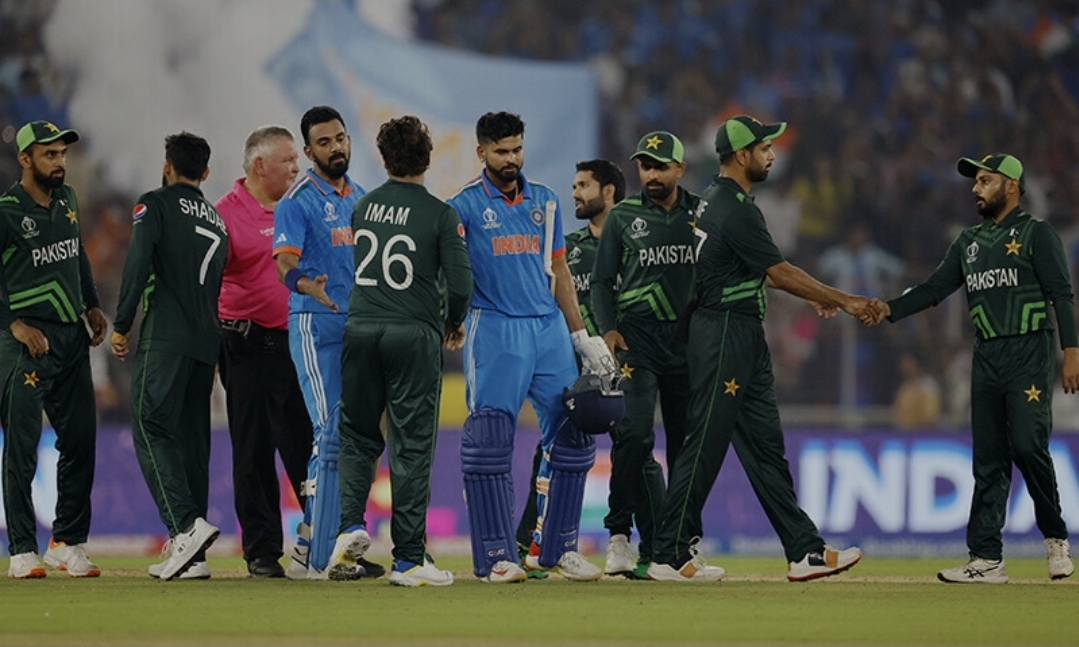
ISLAMABAD – In another politically charged move, India has announced sweeping restrictions on sporting ties with Pakistan, effectively banning all bilateral events and limiting participation even in multilateral tournaments such as the Asia Cup 2025.
According to a notification issued by the Indian Sports Ministry, no Indian teams will be allowed to play Pakistan in direct series across cricket, hockey, kabaddi, and other sports. The decision even extends to women’s and junior-level games, leaving only ICC- and Asian-level mandatory fixtures as exceptions.
A blow to sportsmanship
The announcement has triggered strong reactions in Pakistan, with analysts, ex-players, and political observers accusing India of once again politicizing sports.
“Sports should unite nations, not divide them,” said a senior official of the Pakistan Sports Board. “This decision goes against the spirit of international sportsmanship and reflects narrow political thinking instead of fair play.”
Cricket takes the biggest hit
The timing of the ban is significant, coming just weeks before the highly anticipated Asia Cup 2025, scheduled to be co-hosted by Pakistan and Sri Lanka. While the ICC ensures that India cannot pull out of global tournaments, the refusal to engage in bilateral matches once again deprives millions of fans of cricket’s greatest rivalry.
Former captain Shahid Afridi criticized the move as “an insult to the fans.”
“India knows that whenever it faces Pakistan, the entire world watches. This ban is their way of avoiding pressure and hiding behind politics,” Afridi remarked.
Hypocrisy at play
Observers highlight the double standards in India’s stance.
• India maintains commercial cricket ties with other countries despite political disagreements.
• Even nations with deeper conflicts have used sports as a bridge, but New Delhi refuses to do the same with Islamabad.
“This is hypocrisy,” said a Lahore-based sports analyst. “India wants to project itself as a rising superpower, yet it cannot separate politics from sports when Pakistan is involved.”
Economic fallout
The ban could also hit financially. Matches between Pakistan and India are among the most-watched sporting events worldwide, generating record-breaking TV ratings and sponsorship deals. Their absence denies broadcasters, advertisers, and fans of a billion-dollar spectacle.
A cricket marketing expert noted:
“Every time India and Pakistan face off, it’s a global event. Cutting bilateral matches is not just unfair to fans but also damages the international sports economy.”
Pakistan’s response
Officials in Islamabad expressed disappointment but maintained that Pakistan would continue to uphold the values of sportsmanship.
The Foreign Office emphasized that “linking sports with politics undermines the purpose of international games, which are meant to build bridges and foster peace.”
The Pakistan Cricket Board (PCB) has decided to take the matter up with the International Cricket Council (ICC) and the Asian Cricket Council (ACC), urging them to prevent India from dictating terms in multilateral events.
Fans react with anger
Social media in Pakistan erupted with hashtags like #SportsNotPolitics and #LetThemPlay. Many fans pointed out that sports have historically served as diplomatic tools—including the “cricket diplomacy” of the 1980s—which once helped thaw relations between the two nations.
One fan posted: “Borders divide us, but cricket unites us. Don’t steal that from the people.”
The bigger picture
For Pakistan, the issue goes beyond cricket. It highlights India’s growing tendency to isolate Pakistan diplomatically, economically, and now even in sports. Analysts warn that depriving young athletes and fans of opportunities to interact only deepens hostility and weakens chances of regional peace.
Conclusion
From Pakistan’s perspective, India’s latest ban is more than a denial of cricket—it is a denial of peace, cultural exchange, and regional harmony. While Islamabad insists that sports should remain above politics, New Delhi’s actions suggest otherwise.