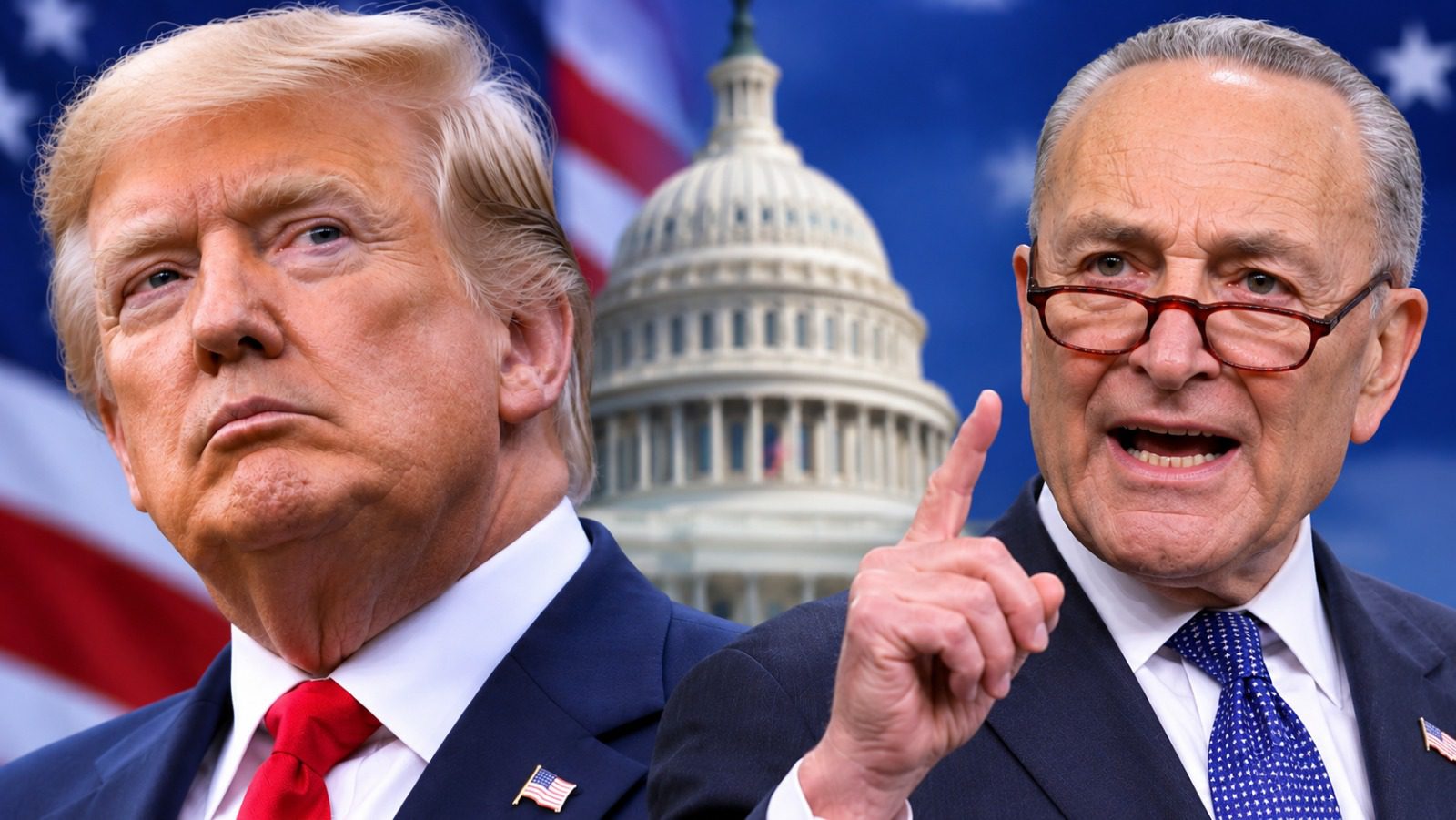
Democrats turn midterm triumph into a pledge to rein in Trump
Democrats captured both chambers of Congress in a sweeping midterm victory, promising investigations and greater oversight as Trump faces growing opposition during his presidency.
WASHINGTON (Web Desk) – Democrats are preparing to challenge President Donald Trump’s policies and increase congressional scrutiny of his administration after securing a sweeping victory in the US midterm elections, setting the stage for a potentially contentious final two years of his presidency.
The party captured control of both chambers of Congress, winning a majority of at least 54-44 in the Senate and gaining at least 30 additional seats in the House of Representatives. The outcome marks a significant political setback for Trump, who will face a Congress controlled by his Democratic opponents for the first time during his current presidency.
Democratic leaders have pledged to use their newly secured legislative power to address the rising cost of living, strengthen accountability and investigate decisions made by the Trump administration.
House Democratic Leader Hakeem Jeffries said the incoming majority would work for ordinary Americans rather than serve the interests of the president.
He said the House of Representatives would no longer function as an extension of the White House, signalling a more assertive approach towards the administration once the new Congress takes office in January.
The election results reflected growing dissatisfaction among voters over several major issues, particularly the US war with Iran, rising living costs, tariffs on imported goods and concerns about alleged corruption.
The economic consequences of the conflict with Iran emerged as a particularly significant campaign issue. Higher energy prices and the broader impact of the war on household expenses contributed to frustration among voters, including those in traditionally Republican areas.
Democrats made substantial gains in Republican strongholds, delivering unexpected defeats to several prominent Republican candidates.
In Texas, Democrats achieved a historic breakthrough by winning their first Senate seat in the state since 1988. They also defeated three-term Republican Governor Greg Abbott, ending a prolonged period of Republican dominance in the state’s top political offices.
Kansas elected its first Democratic senator since the Great Depression, while Democrats also defeated Trump’s preferred Senate candidate in South Carolina, a state the president had carried by nearly 18 percentage points in the 2024 presidential election.
The results demonstrated the extent to which economic concerns and dissatisfaction with federal policies had reshaped voting patterns across traditionally Republican constituencies.
Two closely contested Senate races in Alaska and Mississippi remained undecided, leaving open the possibility that the Democratic majority could increase to 56-44.
Once the new Congress convenes in January, Democrats are expected to launch investigations into the administration, its policies, family members and political allies. Their control of the Senate will also give them the authority to block presidential nominations, including appointments to the federal judiciary and potentially the Supreme Court.
The change in congressional control could complicate Trump’s legislative agenda and create prolonged disagreements between the White House and lawmakers. Republicans, however, will retain control of Congress until the newly elected members formally take office.
Before that transition, the Republican-controlled Congress will have an opportunity to pursue its remaining priorities, particularly legislation required to finance the federal government beyond December.
The election defeat has also triggered uncertainty within Republican leadership. House Speaker Mike Johnson has announced that he will not seek to continue leading the Republican caucus next year, adding to the challenges confronting the party.
Trump, meanwhile, acknowledged that the war with Iran had contributed to his party’s poor performance but defended his decision to launch the military campaign.
Vice President JD Vance was more direct in his assessment, attributing the Republican defeat largely to the conflict. In a social media statement, he questioned whether the consequences of the war had been worth the political cost of losing control of the Senate.
Despite the electoral setback, Trump struck a defiant tone during his first public appearance following the results. Rather than delivering an extended assessment of the Republican losses, he invited reporters to view the construction of a new ballroom at the White House.
Defending the project against criticism, Trump described the White House as an important national symbol that should be maintained to the highest standards.
Addressing the prospect of dealing with a Democratic-controlled Congress, he said he expected to work with the opposition unless they adopted what he considered a destructive approach. He also reminded lawmakers that he retained presidential veto powers.
The Republican response to the defeat has included criticism of the party’s campaign strategy and its handling of economic concerns. Florida Governor Ron DeSantis described the outcome as one of the most damaging electoral setbacks for Republicans in decades.
The midterm results have therefore reshaped the political landscape in Washington, creating a new balance of power that could influence legislation, government investigations, judicial appointments and the administration’s remaining policy priorities.
With Democrats preparing to exercise greater oversight and Trump retaining executive authority, the coming two years are likely to bring intense political negotiations and institutional confrontation ahead of the 2028 presidential election.