A ladder that helped one generation climb: Shabana Mahmood’s UK immigration reforms raise questions
Britain's proposed longer settlement period raises questions about fairness, migrant contributions and whether people who build their lives in a country deserve lasting security and belonging.
The debate over Britain’s latest immigration reforms raises a question that goes beyond politics, nationality and border controls: should people who lawfully move to another country, contribute to its economy and become part of its society continue to face barriers to permanent belonging?
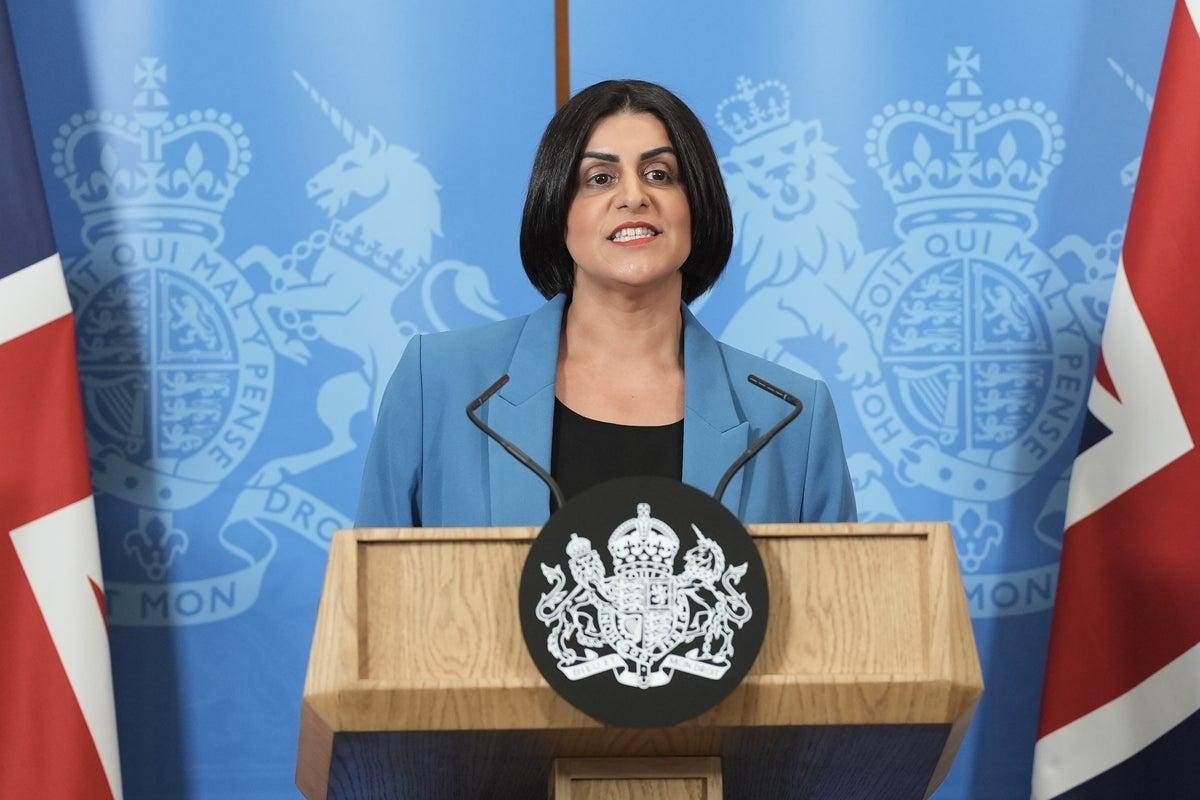
British Home Secretary Shabana Mahmood, the Birmingham-born daughter of Pakistani-origin parents who migrated from rural Kashmir more than five decades ago, is now overseeing a policy that could make permanent settlement considerably harder for many migrants.
Under the government’s new Earned Settlement model, announced on November 2, 2026, the standard qualifying period for indefinite leave to remain (ILR) will increase from five to 10 years for most migrants. Higher earners and certain public-service professionals will retain a five-year route, while some exceptionally high earners will qualify after three years. Those who breach immigration rules could face substantially longer waiting periods. The reforms are expected to be implemented during 2027.
The government argues that permanent settlement should be earned through contribution, good character and compliance with the law. It says the system will reward those who contribute to Britain’s economy and public services while reducing pressure on taxpayers.
But the question remains: is financial contribution becoming too dominant a measure of a person’s worth and right to belong?
Mahmood’s own family history makes this debate particularly interesting. Her parents migrated from Kashmir to Britain more than 50 years ago, when the immigration environment and opportunities available to migrants were different. Their daughter was born in Birmingham and has become one of the country’s most senior political figures.
There is nothing wrong with her family’s migration or her political career. Nor should anyone suggest that she is less British because of her ancestry. However, it is reasonable to ask whether the opportunities that helped earlier generations establish themselves should remain accessible to people arriving today.
A migrant is not simply a temporary worker who supplies labour when an economy needs it. Migrants establish businesses, pay taxes, work in hospitals, care for older people, teach children and raise families. They form friendships, build communities and often spend the most productive years of their lives in the countries that receive them.
Permanent residence is therefore not merely an administrative document. It offers stability, security and the possibility of planning a future without the constant uncertainty of temporary immigration status.
Marriage also illustrates the different ways countries recognise family ties. In several European countries, marriage to a citizen can provide a route to residence and, subject to national laws and other conditions, eventual citizenship. EU rules also protect certain residence rights for non-EU spouses joining EU citizens exercising free-movement rights.
The position in Gulf countries is generally more restrictive. Millions of foreign workers have spent decades in countries such as Saudi Arabia, the United Arab Emirates and Qatar, contributing to their development while remaining foreign nationals. Marriage to a citizen does not automatically guarantee citizenship for a foreign spouse, and some countries impose additional restrictions on marriages involving their citizens.
These systems are not identical, and European countries also maintain immigration controls. Nevertheless, they raise an important question about the difference between welcoming people for their labour and recognising them as permanent members of society.
Britain has historically offered migrants various routes to residence, family reunification and citizenship. Marriage to a British citizen can provide a family immigration route, although it does not automatically grant citizenship. Importantly, the government says existing pathways for family members of British citizens will remain unchanged under the latest settlement reforms.
The concern, therefore, is not that Britain has abolished family migration. It is that a longer settlement period could leave many workers and their families waiting years longer for security and a permanent future.
There is also a human dimension that immigration statistics cannot fully capture. Imagine a person who arrives legally, works for a decade, pays taxes, raises children and respects the laws of the country. Should that person continue to feel like an outsider simply because they were born elsewhere?
Countries have legitimate rights to regulate their borders, determine immigration conditions and protect public resources. No serious argument for human freedom requires ignoring laws, security or the responsibilities of newcomers. But immigration policy should also recognise human dignity, family life and the contribution of people who make a country their home.
A useful image is that of a person trapped in a deep pit. Someone standing outside throws down a long rope and helps that person climb to safety. But once the rescued individual reaches the top, they pull the rope higher and tell those still below to jump if they want to escape.
The comparison is not about blaming someone for their ancestry. It is about the responsibility to preserve opportunities for others.
Mahmood’s reforms deserve scrutiny on their practical consequences, not on her Pakistani heritage. The real test is whether the government can balance its responsibility to British citizens with fairness towards migrants who lawfully contribute to the country.
A ladder that helped one generation climb should not be pulled away from the next. Human beings deserve more than temporary acceptance when their labour is needed. They deserve dignity, fair treatment and a genuine opportunity to belong.