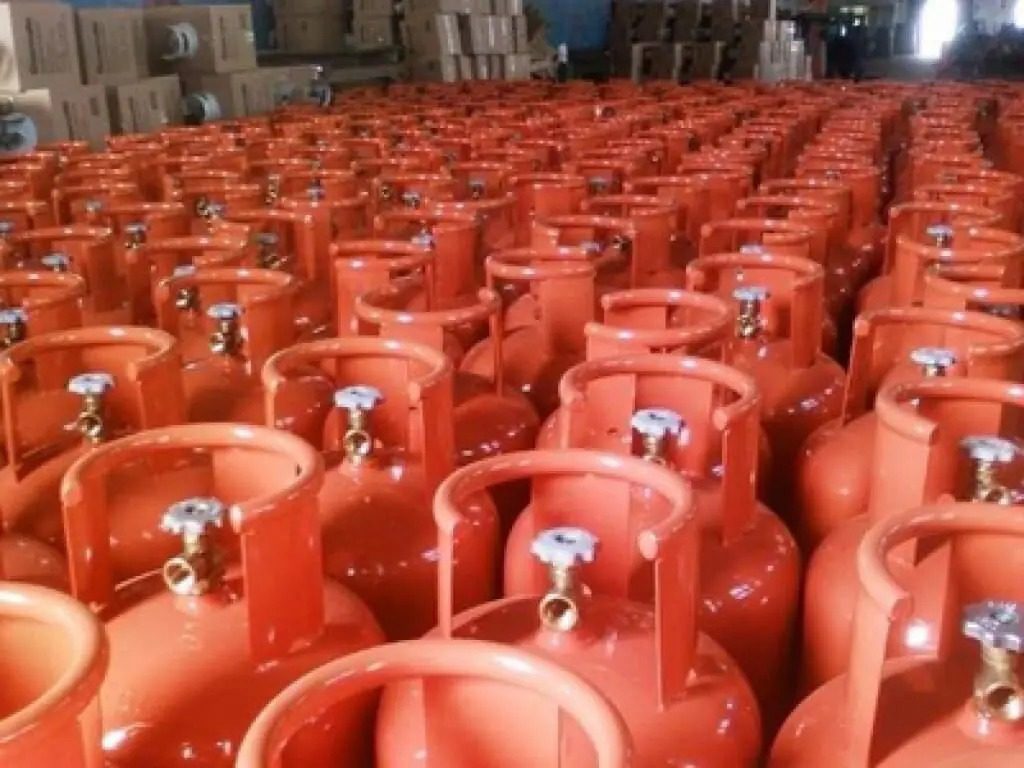
LAHORE— The Pakistan LPG Marketers Association (PLPGMA) has formally challenged the government’s newly drafted LPG pricing policy, warning that excluding the private sector and expanding the role of state-owned enterprises (SOEs) will lead to inefficiencies, corruption, and higher prices for consumers.
In a strongly worded letter addressed to Federal Minister for Petroleum & Natural Resources Ali Pervaiz Malik, PLPGMA Chairman Khalid Naeem urged the government to deregulate the industry and halt the proposed policy until meaningful consultations with private stakeholders are conducted. A copy of the letter was also forwarded to the Secretary of the Ministry of Petroleum.
Supply Chain Crisis and Import Dependency
The association highlighted that the proposed policy draft—prepared for the Prime Minister—is being formulated against the backdrop of severe international supply chain disruptions caused by the ongoing US-Iran conflict. Because Pakistan relies heavily on imports for 70% of its LPG consumption, the conflict has choked international supply corridors, leading to a sharp increase in imported LPG manifold prices.
The PLPGMA stressed that navigating this crisis requires a highly efficient and market-driven approach, which the current draft policy fails to provide.
Private Sector Excluded
A primary grievance outlined in the letter is the complete lack of input from the private sector, which the PLPGMA notes is currently the largest importer and distributor of LPG in the country. The association expressed frustration that the draft policy has bypassed the industry’s primary stakeholders before being sent to the Prime Minister.
Criticism of State Intervention (SSGC’s Role)
The association launched a scathing critique of recent government interventions, specifically pointing to the decision over the past two to three years to allow Sui Southern Gas Company (SSGC) to act as the Sole State-Owned Enterprise (SOE) for LPG import and distribution.
According to the PLPGMA, this state-led approach has resulted in controversies, inefficiencies, and allegations of malpractice. The letter alleges that the lack of a proper purchasing policy and an exemption from PPRA (Public Procurement Regulatory Authority) rules led to the alleged establishment of shell trading companies. This eventually triggered official inquiries against the state enterprise.
Demand for Deregulation and Policy Overhaul
The PLPGMA is urging the government to pivot away from empowering state enterprises and instead focus on increasing local production and making regulatory bodies like OGRA and the Explosives Department more efficient. The association argues that the current policy is effectively trying to put state enterprises in the “driving seat,” intervening in areas where they are designed to fail—a pattern that has occurred repeatedly in the past.
The association asserts that the current OGRA price fixation formula is antiquated and invalid. Furthermore, the PLPGMA reiterated its long-standing advocacy for the deregulation of the industry, the simplification of procedures for setting up LPG plants, and strict monitoring of the quality of imported LPG.
“We strongly recommend the Government to deregulate the LPG industry and to take input from the private sector before any new policy is finalized,” Chairman Khalid Naeem stated in the letter.
The PLPGMA maintains that a deregulated, competitive market is the only way to ensure healthy competition, attract investment, and ultimately make LPG available to the people of Pakistan at the best possible price.