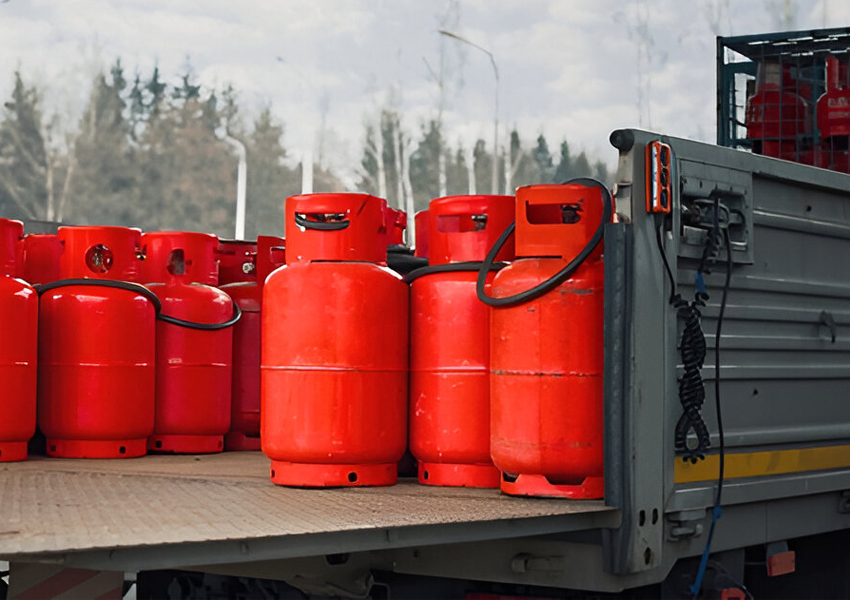
LAHORE (Busniess Desk) – The Punjab government has intensified efforts to curb excessive liquefied petroleum gas (LPG) prices after consumers reported paying significantly more than the officially notified retail rate across several cities. Authorities have vowed strict enforcement against overcharging, hoarding, and profiteering as complaints continue to rise.
The federal government has fixed the official retail price of LPG at Rs. 308 per kilogram. However, market surveys indicate that consumers in Lahore are paying between Rs. 480 and Rs. 500 per kilogram, while prices in other districts of Punjab have also climbed well above the notified level. The widening gap between the official and market rates has placed additional financial pressure on households already struggling with rising living costs.
According to traders and market observers, LPG retailers have been increasing prices by Rs. 10 to Rs. 20 per kilogram almost daily. These increases are reportedly being made without any official revision in the government-approved price, leaving consumers with little choice but to purchase the fuel at inflated rates for cooking and other domestic purposes.
The price surge has particularly affected low- and middle-income families that rely on LPG in areas where natural gas supply is limited or unavailable. Many households use LPG as their primary cooking fuel, making the continued price increases a serious concern for monthly household budgets.
Federal Petroleum Minister Ali Pervaiz Malik has directed authorities to launch immediate action against companies and retailers violating the official pricing mechanism. Notices are being issued to LPG marketing companies, while provincial and district administrations have been instructed to monitor retail outlets and ensure compliance with government-notified rates.
Officials have also been ordered to strengthen inspections targeting illegal stockpiling and artificial shortages. Authorities believe that hoarding and speculative selling are contributing to inflated prices in several markets. Enforcement teams are expected to conduct surprise inspections and take legal action against businesses found violating pricing regulations.
Consumer rights groups have welcomed the government’s announcement but stressed that enforcement must be sustained rather than limited to short-term operations. They argue that previous crackdowns provided temporary relief before prices increased again due to weak market monitoring and inconsistent implementation of regulations.
Energy market analysts say multiple factors influence LPG pricing, including supply conditions, transportation costs, seasonal demand, and distribution margins. However, they note that retail prices significantly exceeding the official rate may indicate market manipulation that requires stronger regulatory oversight.
Retailers, meanwhile, argue that rising procurement and transportation expenses have increased their operating costs. Some dealers claim that wholesale prices have risen, making it difficult to sell LPG at the government-notified rate without incurring financial losses. Authorities are expected to review supply chain conditions while continuing enforcement against unjustified price hikes.
The Petroleum Ministry has assured consumers that strict action will continue until market prices return closer to the officially approved level. Officials have encouraged the public to report overcharging and illegal hoarding to relevant authorities, enabling enforcement agencies to respond more effectively.
As demand for LPG remains strong across Punjab, the success of the government’s crackdown will largely depend on consistent inspections, improved supply management, and strict penalties against violators. Consumers now await visible relief in retail prices as authorities move to restore confidence in the LPG market and protect households from unnecessary financial burdens.