


By International Desk
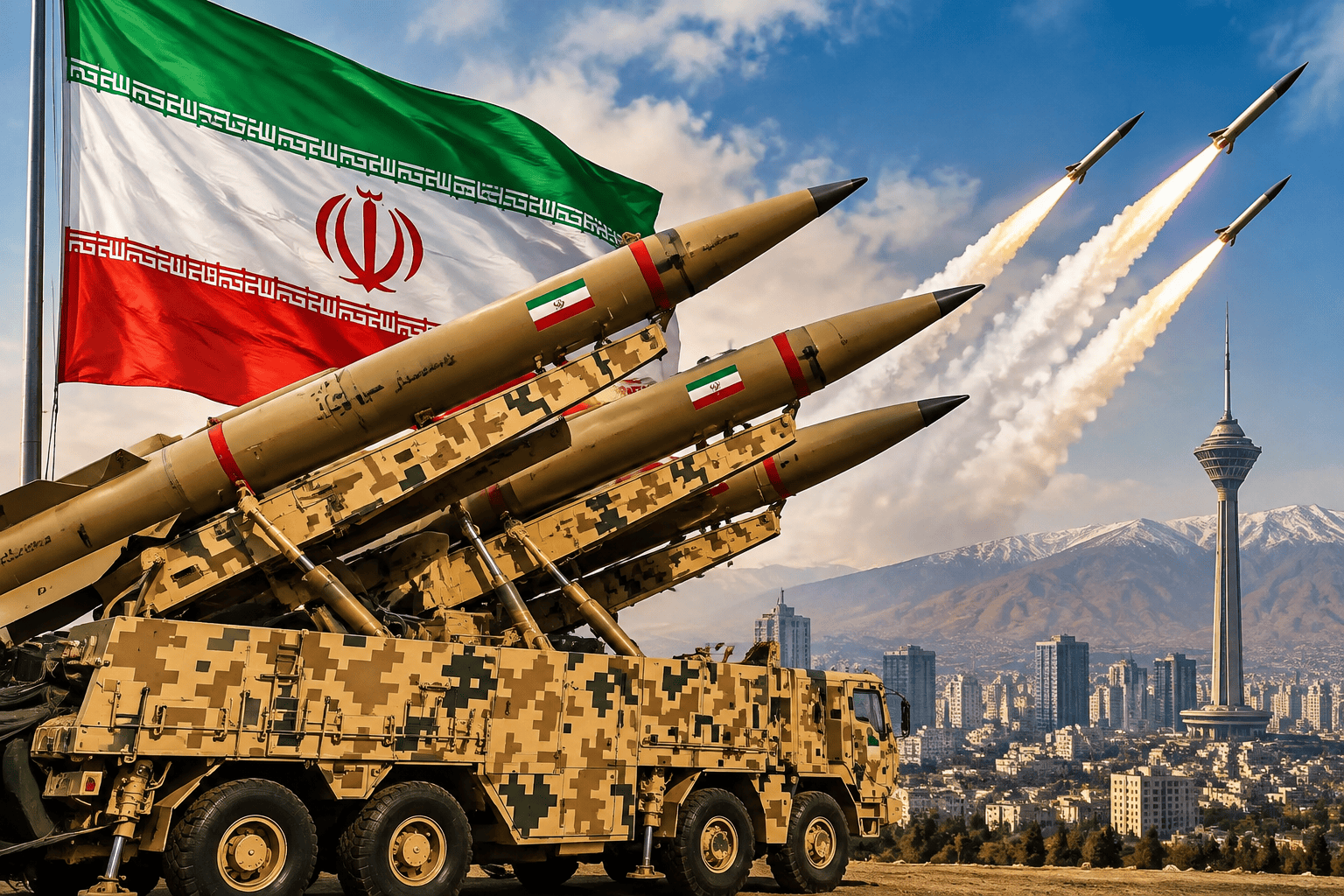
TEHRAN: Iran has warned that it has developed new military technologies and prepared what it described as “surprises” for any potential aggression, as tensions continue to remain high in the region.
Read also: Pezeshkian rejects surrender, says Iran remains open to diplomacy
US no longer managing Iranian threat, but seeking to end it: Treasury chief
Iranian officials said the country’s armed forces have strengthened their defensive capabilities and are prepared to respond to any threat. The remarks came amid ongoing regional tensions and concerns over possible escalation involving Iran and its adversaries.
Iran’s military leadership has repeatedly stated that the country has expanded its missile, drone and defence capabilities in recent years. Officials in Tehran say these developments are aimed at protecting national security and deterring external threats.
The warning about “new military technologies” reflects Iran’s efforts to showcase advancements in its defence sector, particularly in areas such as unmanned aerial vehicles, missile systems, electronic warfare and air defence capabilities.
Iranian officials have often highlighted the role of domestic defence production, saying international sanctions have encouraged the country to develop its own military equipment and reduce reliance on foreign suppliers.
The latest statement comes at a time when the Middle East remains affected by multiple security challenges, including conflicts, diplomatic disputes and rising tensions between regional powers.
Iran has previously warned that any attack on its territory would face a strong response. Tehran has maintained that its military doctrine is based on deterrence and defence, while its critics have expressed concerns over the expansion of its missile programme and regional influence.
Military analysts say Iran’s strategy relies on a combination of missile capabilities, drone technology, naval assets and partnerships with regional groups. However, the effectiveness and scale of some claimed capabilities remain subjects of debate among international observers.
The Iranian leadership has also emphasised the importance of modernising its armed forces through technological development. Officials have frequently displayed locally produced weapons systems during military exercises and national defence events.
The United States and some of its allies have imposed sanctions on Iran over its nuclear programme, missile activities and regional policies. Iran has rejected such measures, arguing that its defence programmes are necessary for national sovereignty and security.
Meanwhile, regional governments have called for diplomatic efforts to reduce tensions and prevent further instability in the Middle East. International observers have repeatedly warned that military escalation could have wider consequences for regional security, energy markets and global trade.
Iran’s latest remarks underline the continued focus on military readiness as the country seeks to demonstrate its ability to respond to potential threats.
While Tehran says its military preparations are defensive in nature, other countries have expressed different views about Iran’s expanding capabilities and their impact on regional security dynamics.
The situation remains closely monitored by international powers, with diplomatic channels continuing alongside military preparations by countries in the region.


