


TEHRAN (Web Desk) – Iran has rejected US President Donald Trump’s claim that Tehran had asked the United States not to launch further military action, saying no such request was made.
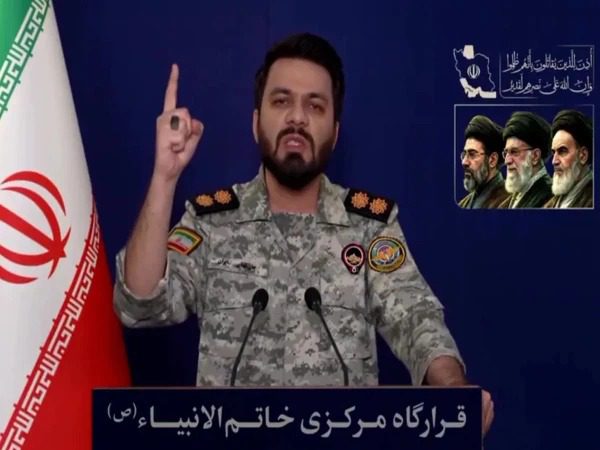
According to sources, Iran’s Mehr news agency quoted Iranian military officials as saying that Trump’s statement was baseless and had no credibility.
Iranian military officials said Tehran had not asked Washington to stop attacks and described the claim as “a new lie”.
The officials said Iran’s armed forces remained fully alert and were prepared to respond to any possible developments. Iranian authorities said the country’s defence forces had been placed on high alert and warned that any act of aggression would receive an appropriate response.
The latest denial comes against the backdrop of heightened tensions between Washington and Tehran, with both sides continuing to issue sharply worded statements. The conflicting accounts over whether Iran sought an end to possible US military action could further complicate an already tense diplomatic environment.
The Iranian military’s response also appears intended to reinforce its message that the country remains prepared for any escalation. By publicly rejecting the suggestion that Tehran had appealed to Washington, Iranian officials sought to portray the government and armed forces as maintaining a firm position in the face of US pressure.
For Washington, Trump’s claim suggests a very different picture of the situation, potentially indicating that Iranian authorities may be concerned about the prospect of further military confrontation. However, Tehran’s categorical rejection means the two sides are presenting fundamentally different accounts of their communications and intentions.
Risk of further escalation
The conflicting claims from Washington and Tehran come amid heightened regional tensions and could further complicate efforts to prevent a broader military confrontation.
Political analysts say public disagreements over diplomatic contacts can make it harder for both sides to establish a reliable channel for negotiations. If statements from senior officials continue to contradict one another, the possibility of miscalculation could increase, particularly while military forces remain on alert.
The situation is also being closely watched across the Middle East, where any direct confrontation between Iran and the United States could have wider security and economic consequences. A significant escalation could affect regional stability, energy markets, shipping routes and the security calculations of neighbouring countries.
Iran’s warning that it would respond to any aggression further underscores the potential for escalation if military action resumes. At the same time, the absence of a confirmed diplomatic breakthrough leaves uncertainty over whether Washington and Tehran can find a mechanism to reduce tensions.
The latest exchange also highlights the importance of back-channel communication during periods of military tension. Even limited misunderstandings between the two governments could have serious consequences if forces on either side remain on heightened alert.
Diplomatic pressure
The international community is expected to continue urging restraint and diplomacy as concerns grow over the possibility of a wider conflict. Diplomatic engagement could provide a means of clarifying competing claims and preventing statements from escalating into military action.
For now, Iran’s rejection of Trump’s claim leaves the two governments with sharply contrasting narratives. Tehran insists that it never asked the United States to halt attacks, while Trump’s statement suggests that Washington believes the opposite.
The dispute over what was or was not communicated between the two sides is significant because it may influence perceptions of each government’s position, military readiness and willingness to negotiate.
As tensions remain elevated, any further statements from Washington or Tehran will likely be closely scrutinised for signs of either escalation or an opening for diplomacy.
For countries across the region, the immediate concern will be whether the latest verbal confrontation remains limited to public statements or develops into further military action. Any expansion of hostilities could create additional pressure on regional governments and international efforts aimed at maintaining stability.


