



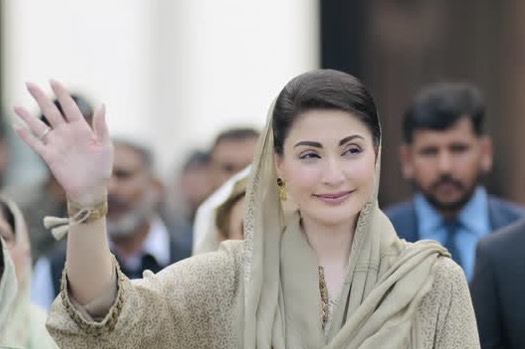
LAHORE (Web Desk) – In a bid to revolutionize student transport and promote eco-friendly urban mobility, Punjab Chief Minister Maryam Nawaz Sharif has officially rolled out the highly anticipated Electric Bike Scheme 2026. The monumental welfare initiative aims to distribute 100,000 electric motorcycles and scooties to higher education students across the entire province, with a dedicated focus on empowering female students.
The announcement, made during a crowded ceremony in Arifwala, represents one of the largest provincial investments in youth mobility and clean energy. Addressing the attendees, Chief Minister Maryam Nawaz emphasized that the lack of affordable and safe transport frequently hinders young people—especially young women—from achieving their higher education goals. The newly introduced initiative aims to fill this critical gap, allowing students to travel to their respective colleges and universities with dignity and independence.
Specialized Benefits for Female Students
A standout feature of the 2026 rollout is its focus on gender equality in higher education. Under the strict directives of the Chief Minister, female students will receive electric bikes completely free of cost. The provincial government will fully cover their down payments, registration costs, and asset fees to minimize financial barriers for girls pursuing degrees.
Conversely, male students are provided a highly subsidized route to vehicle ownership. The government has partnered with leading financial institutions to offer an interest-free installment plan. Male applicants will only need to make a nominal down payment of Rs. 14,000, followed by highly affordable, interest-free monthly payments capped at Rs. 2,100. The government has allocated significant budgetary subsidies, including an Rs. 70,000 subsidy per bike, to fully absorb the loan markup and insurance costs, protecting families from inflationary pressures.
Comprehensive Eligibility Criteria
To maintain maximum transparency and ensure that the assets reach genuine students, the Punjab government has laid down strict eligibility requirements:
Age Profile: Applicants must be at least 18 years old to ensure legal eligibility for driving permits, with an upper age limit capped at 35 years.
Academic Enrollment: Students must be regularly enrolled in a degree college or university that is recognized by the Higher Education Commission (HEC). Fictional or unregistered academies do not qualify.
Provincial Residency: A valid Punjab domicile is mandatory for all applicants.
Legal Clearance: Every applicant must possess either a valid motorcycle driving license or an officially issued learner’s driving permit.
Asset Limitations: To prioritize underprivileged youth, applicants must not already own any registered motor vehicle. Furthermore, only one electric bike will be allotted per family unit, even if multiple siblings meet the criteria.
Streamlined Online Application Process
The Punjab Information Technology Board (PITB) has developed a secure online portal to eliminate middle-men and manual corruption. The digital application workflow follows a clean, structured pathway:
Portal Registration: Students must log onto the official Punjab government e-bike portal and create an account using their Computerized National Identity Card (CNIC) or B-Form number.
Profile Completion: Applicants fill out digital forms detailing their current HEC academic institution, contact information, and exact residential details.
Document Verification: Users are required to upload digital copies of their CNIC, student ID card, HEC bonafide certificate, Punjab domicile, passport-sized photographs, and their legal driving license or learner’s permit.
Computerized Ballot: Once applications undergo thorough verification, a fully transparent, computerized balloting process will pick the successful candidates. Students can check their real-time application status directly on the portal.
Beyond the vehicles, the government is coupling the e-bikes with comprehensive vehicle insurance policies and setting up solar charging support network stations across key public campuses to manage charging infrastructure. The initiative marks a massive, forward-thinking leap toward a greener, more accessible future for the youth of Punjab.


