


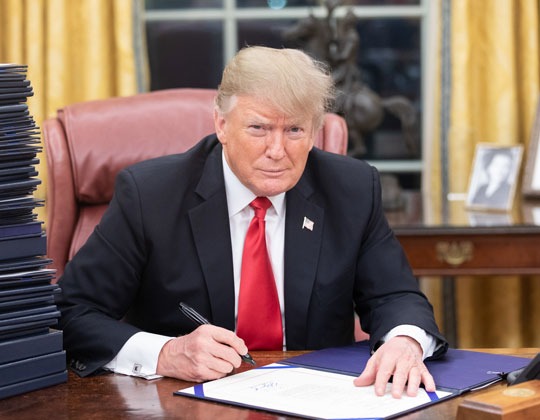
WASHINGTON (Web Desk) – Donald Trump has announced that a second round of talks between the United States and Iran is expected to take place in Islamabad, expressing hope that negotiations will lead to an agreement.
Read also: Iran strongly repeated its promise to limit ships passing through area
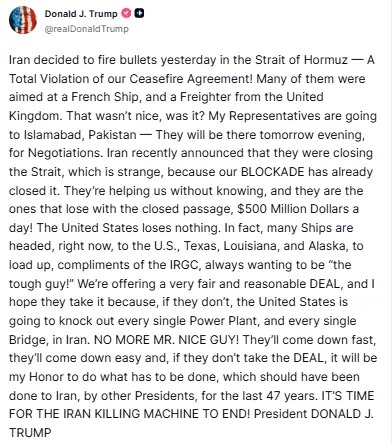
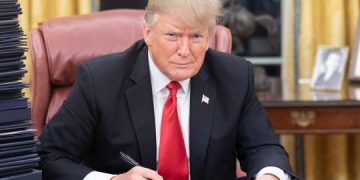
In a post on Truth Social, Trump said US representatives were heading to Pakistan and would arrive “tomorrow evening for negotiations”, adding that Washington had offered Tehran what he described as a “very fair and reasonable” deal. He warned of severe consequences if Iran rejected the proposal, including potential strikes on key infrastructure.
The first round of direct talks, held in Islamabad on April 11 and 12, ended without a breakthrough but also avoided collapse. The negotiations took place under a Pakistan-brokered two-week ceasefire, which is due to expire on April 22.
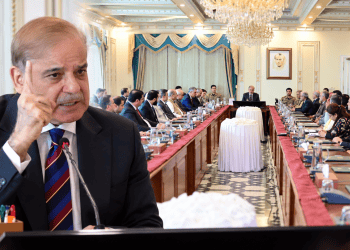
Pakistan has been actively engaged in diplomatic efforts to bring both sides back to the negotiating table, with its civil and military leadership playing a key mediating role.
Despite ongoing diplomacy, tensions have escalated over the closure of the Strait of Hormuz. Iran has maintained restrictions on the passage of vessels, linking any reopening to the lifting of a US naval blockade on its ports in the Persian Gulf and Gulf of Oman.
The closure has disrupted global shipping, trapping hundreds of vessels and pushing up oil prices and freight costs, while ship captains remain cautious over security risks.
Trump accused Iran of violating the ceasefire by firing at vessels in the Strait, including ships linked to France and the United Kingdom. He also claimed that Iran’s actions were economically damaging to itself, while the US remained largely unaffected.
Meanwhile, Iran’s foreign ministry spokesperson Esmaeil Baqaei condemned the US blockade as unlawful and a breach of the ceasefire, calling it a form of collective punishment against the Iranian people.
Iran’s Supreme National Security Council confirmed it is reviewing new proposals from Washington but stressed that its negotiating team would not make concessions that undermine national interests.
Parliamentary Speaker Mohammad Bagher Ghalibaf said some progress had been made in talks but acknowledged that significant gaps remain.
On the diplomatic front, Ishaq Dar held a telephone conversation with Iranian Foreign Minister Abbas Araghchi, emphasising the importance of continued dialogue to ensure regional peace and stability. Both sides also agreed to maintain close contact as efforts to de-escalate tensions continue.