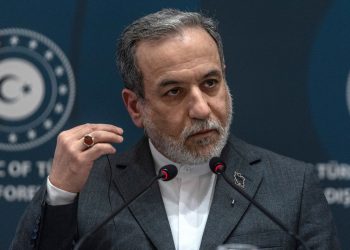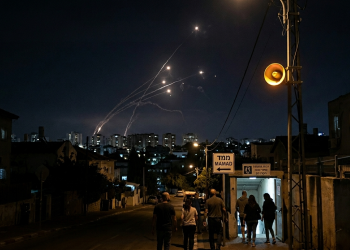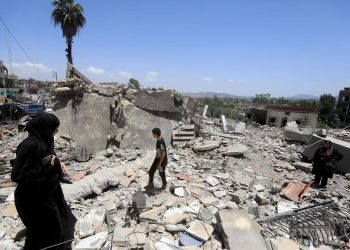



Iran (Esmaeil Baqaei):
“Some progress was made, but key differences remain; success depends on US good faith and respect for Iran’s rights.”
US (JD Vance):
“We had substantive discussions, but Iran did not accept our terms, especially on nuclear commitments.”
By Our Correspondent
ISLAMABAD: US and Iranian delegations left Pakistan after 21-hour talks ended without a deal, despite progress on some issues and Pakistan’s mediation efforts being widely praised.
Read also: US, Iran advance talks in Islamabad as expert teams exchange draft texts
Negotiations between the United States and Iran in Islamabad concluded without an agreement on Sunday, following nearly a full day of intensive discussions mediated by Pakistan.
RelatedPosts

The US delegation, led by JD Vance, departed shortly after he addressed a press conference, confirming that while the talks were “substantive,” they failed to produce a final deal. Hours later, the Iranian delegation also left the capital, according to state media.
Vance said the two sides engaged in detailed discussions over 21 hours, covering key issues such as sanctions, nuclear policy, and regional tensions. However, he noted that Iran declined to accept US terms, particularly Washington’s demand for a firm and long-term commitment that Tehran would not pursue nuclear weapons.
“The good news is we had meaningful discussions,” Vance said. “The bad news is we did not reach an agreement.”
He emphasized that the US position remained clear, seeking assurances that Iran would neither develop nuclear weapons nor retain the capability to rapidly produce them. Despite what he described as a “flexible and accommodating” US approach, no breakthrough was achieved.
The US delegation remained in constant communication with Donald Trump during the negotiations, ultimately presenting what Vance called their “final and best offer.”
On the Iranian side, Foreign Ministry spokesperson Esmaeil Baqaei said the talks resulted in agreement on several points, but differences persisted on two to three critical issues.
He noted that discussions spanned multiple complex areas, including sanctions relief, nuclear activity, war reparations, and the strategic Strait of Hormuz. Baqaei stressed that progress would depend on the US demonstrating “good faith” and respecting Iran’s rights, particularly regarding access to frozen assets and economic relief.
Iranian officials also highlighted that the negotiations took place after weeks of conflict and were never expected to yield immediate results in a single round.
Both sides praised Pakistan’s role as host and mediator. Vance commended Prime Minister Shehbaz Sharif and military leadership, including Asim Munir, for facilitating the dialogue and attempting to bridge gaps between the two sides.
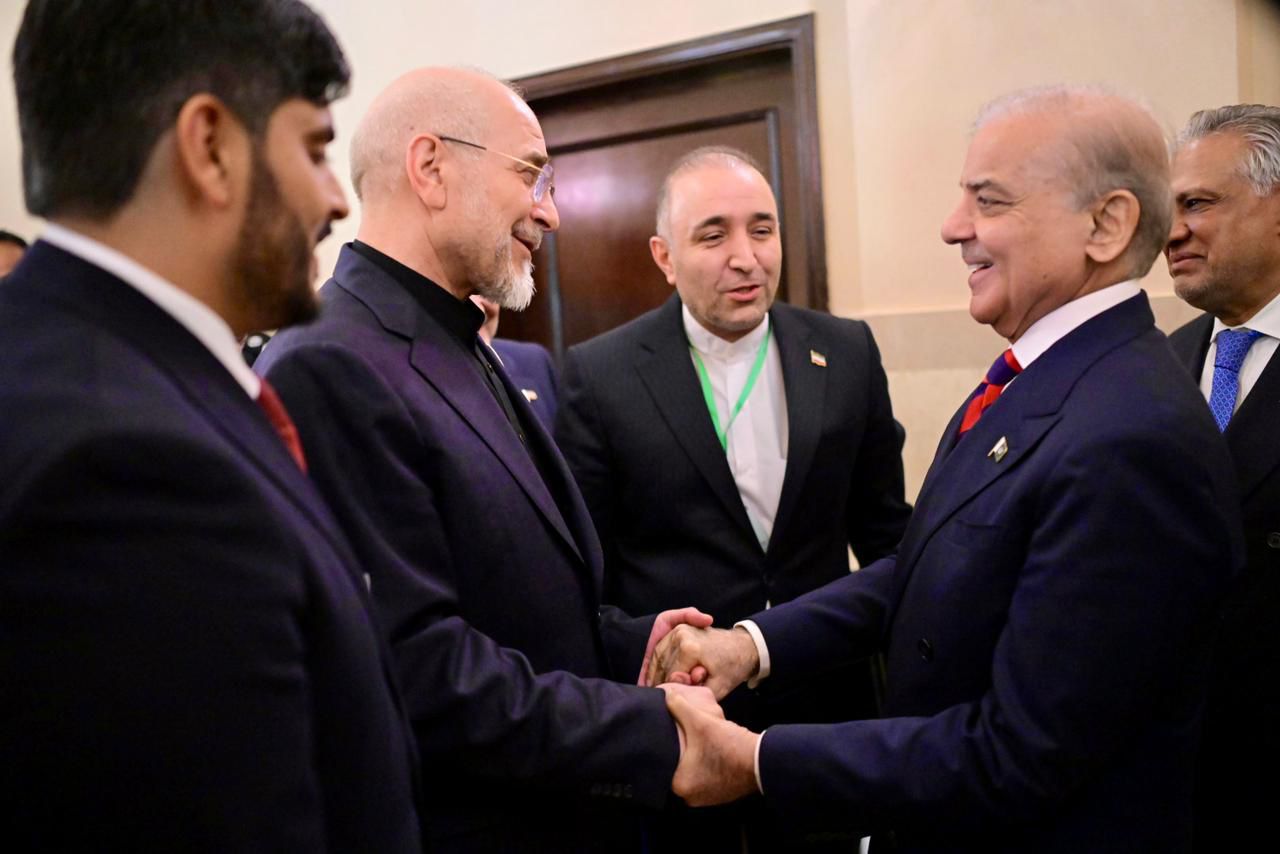
Prior to the talks, Prime Minister Shehbaz Sharif held separate meetings with both delegations, reaffirming Pakistan’s commitment to promoting peace and stability through diplomatic engagement.
The negotiations, held over multiple sessions, included expert-level participation from economic, military, legal, and nuclear teams. Written proposals were exchanged throughout the process.
While no agreement was reached, both sides indicated that discussions could continue, leaving the door open for future diplomatic efforts.