


By Rana Farooq Ashraf
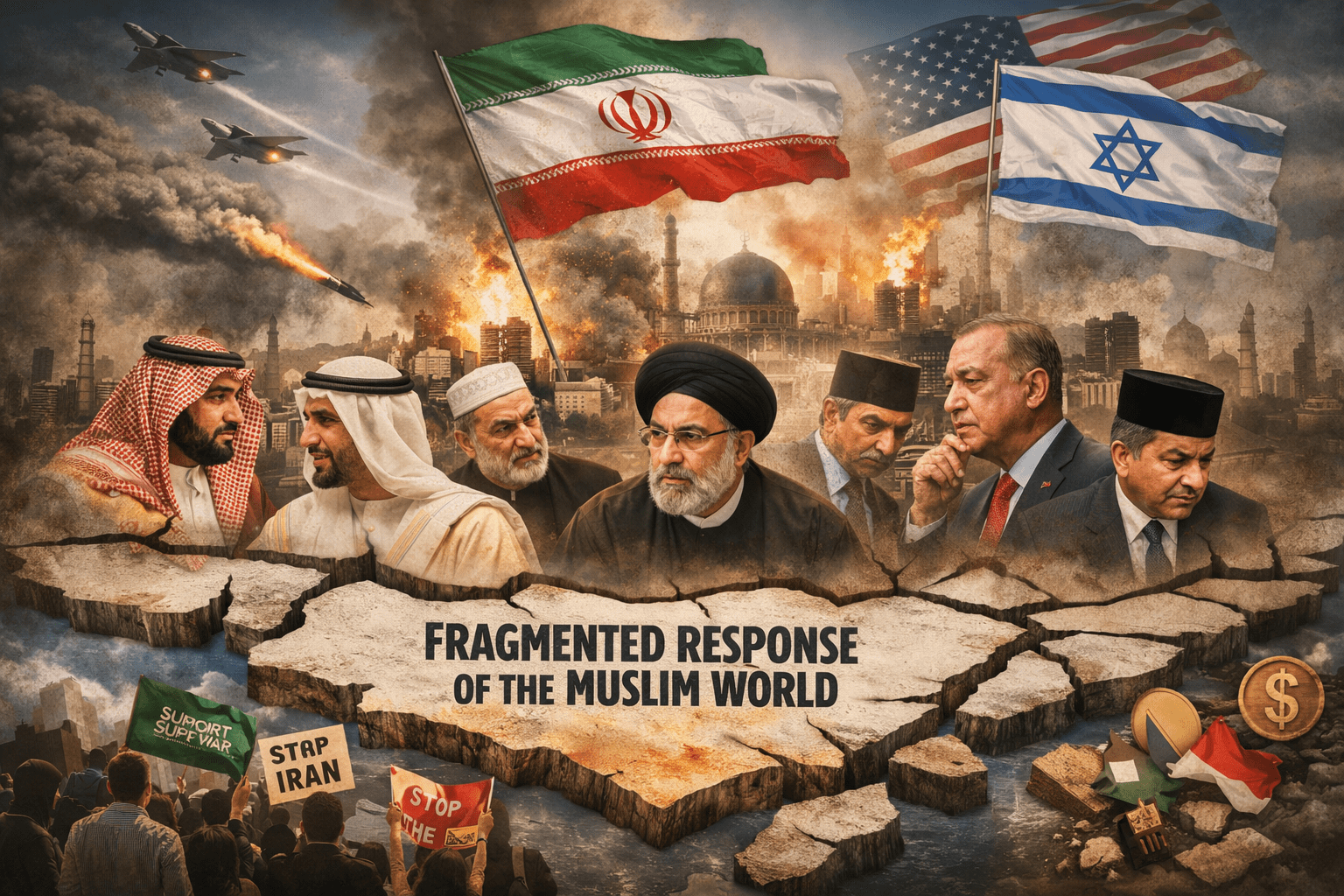
The Middle East has once again become the center of global tension. However, the current situation is not just a minor conflict; it is a major shift that has shaken the political and military world. Today, many ask if Iran can lose this war. The reality on the ground suggests that Iran cannot be defeated. This is no longer just a clash between two states; it is a struggle for national survival that has changed the fate of the entire region.
Read also: A nation mourns: Pakistani leaders and PPP workers grieve Iranian Supreme leader’s martyrdom
To understand this, we must look back at the time when war clouds first gathered and President Donald Trump met with Pakistan’s top leadership. After that meeting, Trump’s disappointed expression showed that Pakistani officials understood the psychology of Iran better than the Americans did. At that time, two things were made clear to Trump. First, if the US started a war, it would never be able to get out of it, as the Iranian people would unite as a solid wall for their survival. Second, Trump had campaigned on ending wars; starting a new one would have destroyed his political popularity. Today, while Israeli Prime Minister Netanyahu has pushed for confrontation, the attacks on Iran have only created a stronger sense of unity among the Iranian people, making them a force that is hard to beat.
In this strategic landscape, certain past decisions by Pakistan’s leadership have proven to be life-saving. A major credit goes to former President Asif Ali Zardari, who took the bold step of making the US vacate the Shamsi Air Base. This was a visionary move. If the US still controlled that base today, they would surely have used it for operations against Iran. This would have dragged Pakistan directly into the conflict, endangering our own peace and sovereignty. By reclaiming the base, Pakistan ensured it would not become a tool in someone else’s war. Similarly, by dismantling the US infrastructure at Bagram, Pakistan further secured its western borders and neutralized elements that wanted to use the region for pro-Israel interests.
On the military front, it is a mistake to think Iran is weak. Iran has purchased a massive number of missiles from China and Russia. Today, they possess over 30,000 missiles, enough to sustain a long-term war. China has even provided hypersonic anti-ship missiles that can bypass US naval defenses. Furthermore, the closing of the Strait of Hormuz—allowing only Chinese ships to pass—proves that Beijing stands firmly with Tehran. The failure of expensive US defense systems like the Patriot and Iron Dome against recent missile strikes has also changed the global perception of military power.
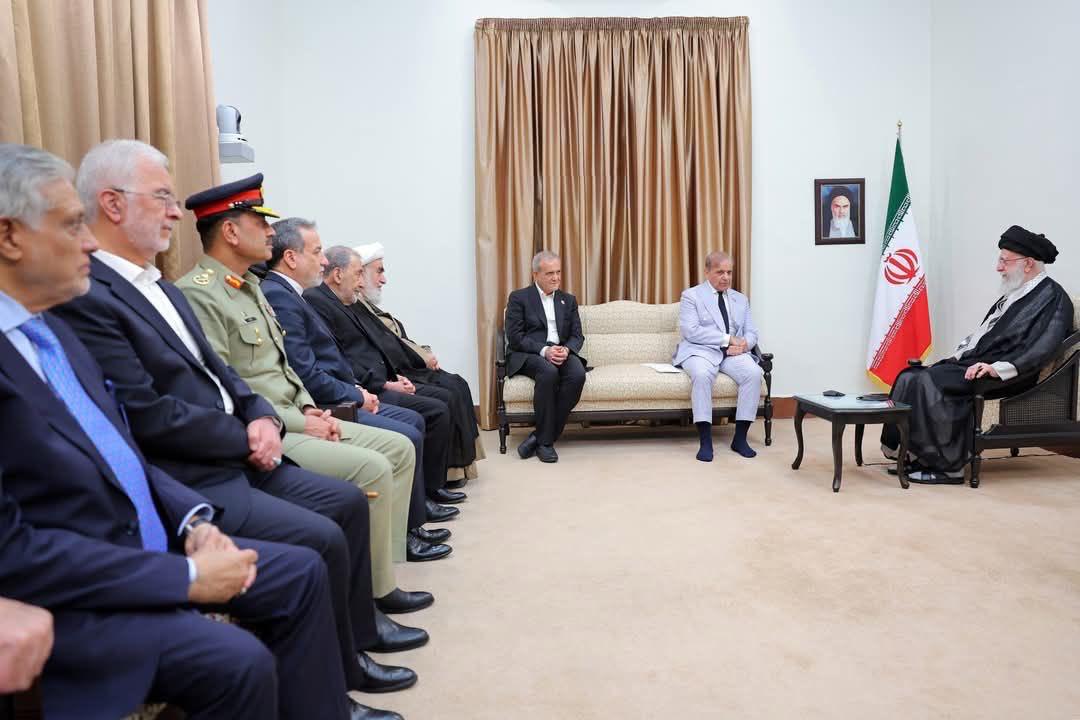
Pakistan’s role in this crisis remains vital. Pakistan was the first country to openly condemn the attacks on Iran. Recent statements by Deputy Prime Minister Ishaq Dar suggest that Pakistan has played a key role in protecting regional security and preventing a total disaster. Moving forward, a strong partnership between Pakistan, China, and Iran is expected to create new economic and defensive opportunities.
While citizens in some modern Gulf countries panic at the sound of a few missiles, the people of Pakistan sleep peacefully despite threats from neighbors like India. This peace of mind comes from the bravery of our soldiers and the wise decisions of our leaders who refused to give our land for foreign wars. Today, Pakistan’s defense is so strong that no power can dare to look at us with an evil eye. Our future lies in these regional alliances and our own military strength.
Long live the Pakistan Army, Long live Pakistan!