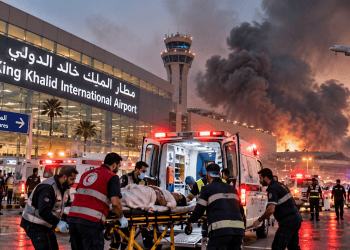



WASHINGTON/TEHRAN (Web Desk) – The United States and Israel on Saturday launched what they described as coordinated “pre-emptive” military strikes against Iran, dramatically escalating tensions in the Middle East and casting doubt over ongoing diplomatic efforts.
Read also: Trump threatens harsh outcomes for Iran if negotiations fail
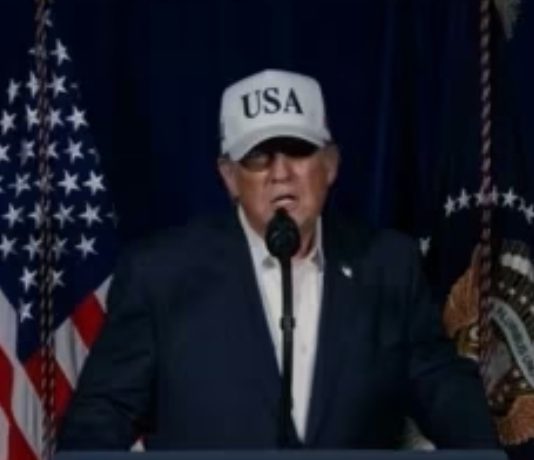
US President Donald Trump confirmed the development, saying, “Short time ago, US began major combat operations in Iran,” adding that the objective was to defend American citizens by eliminating what he called imminent threats from the Iranian regime.
Israel’s Defence Minister Israel Katz said the “State of Israel launched a pre-emptive attack against Iran to remove threats to the State of Israel,” and declared a special and immediate state of emergency across the country.
According to US officials quoted by international media, American strikes were carried out by air and sea in coordination with Israeli forces. An Israeli defence official said the operation had been planned for months alongside Washington, with the launch date finalised weeks ago.
Explosions in Tehran


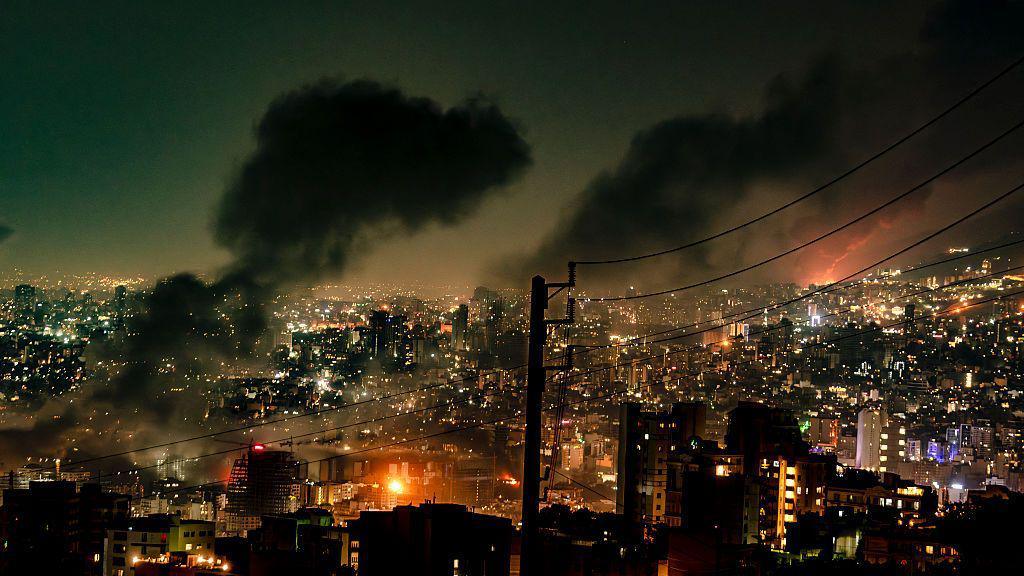

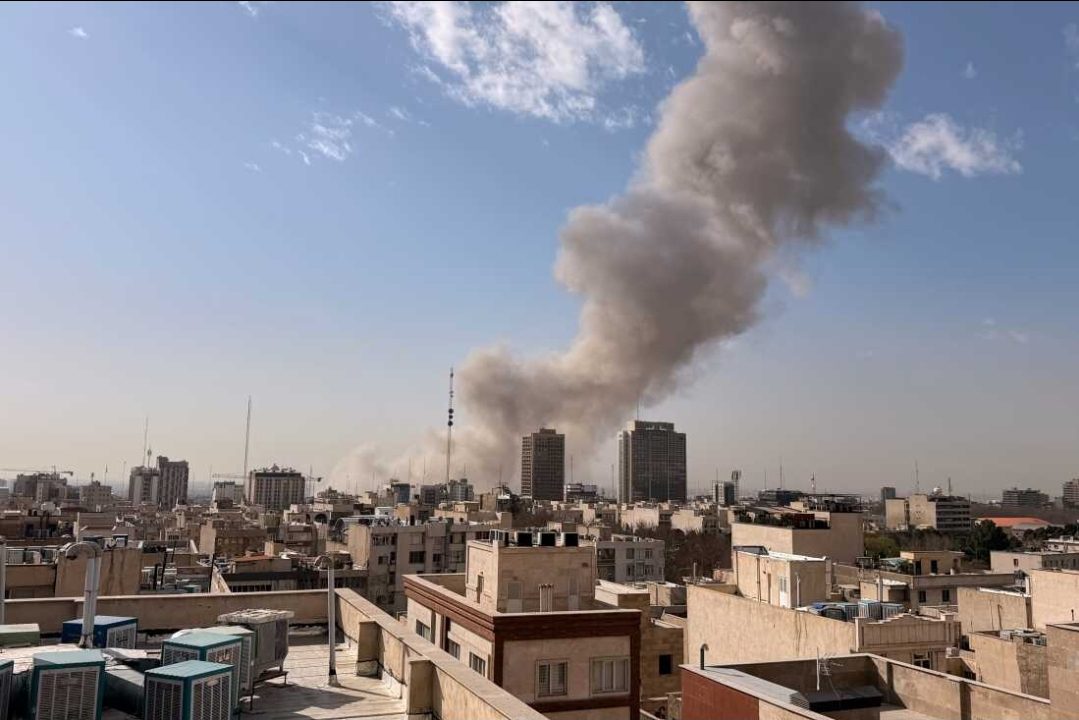
Multiple explosions were reported in Tehran, with Iranian media and AFP journalists confirming loud blasts and thick plumes of smoke rising over central and eastern areas of the capital.
Iranian news agency Fars described the blasts as resembling missile strikes but did not immediately provide further details.
A senior official told Reuters that Iran’s Supreme Leader Ali Khamenei had been moved from Tehran to a secure location as a precaution.
Regional Airspace Shut
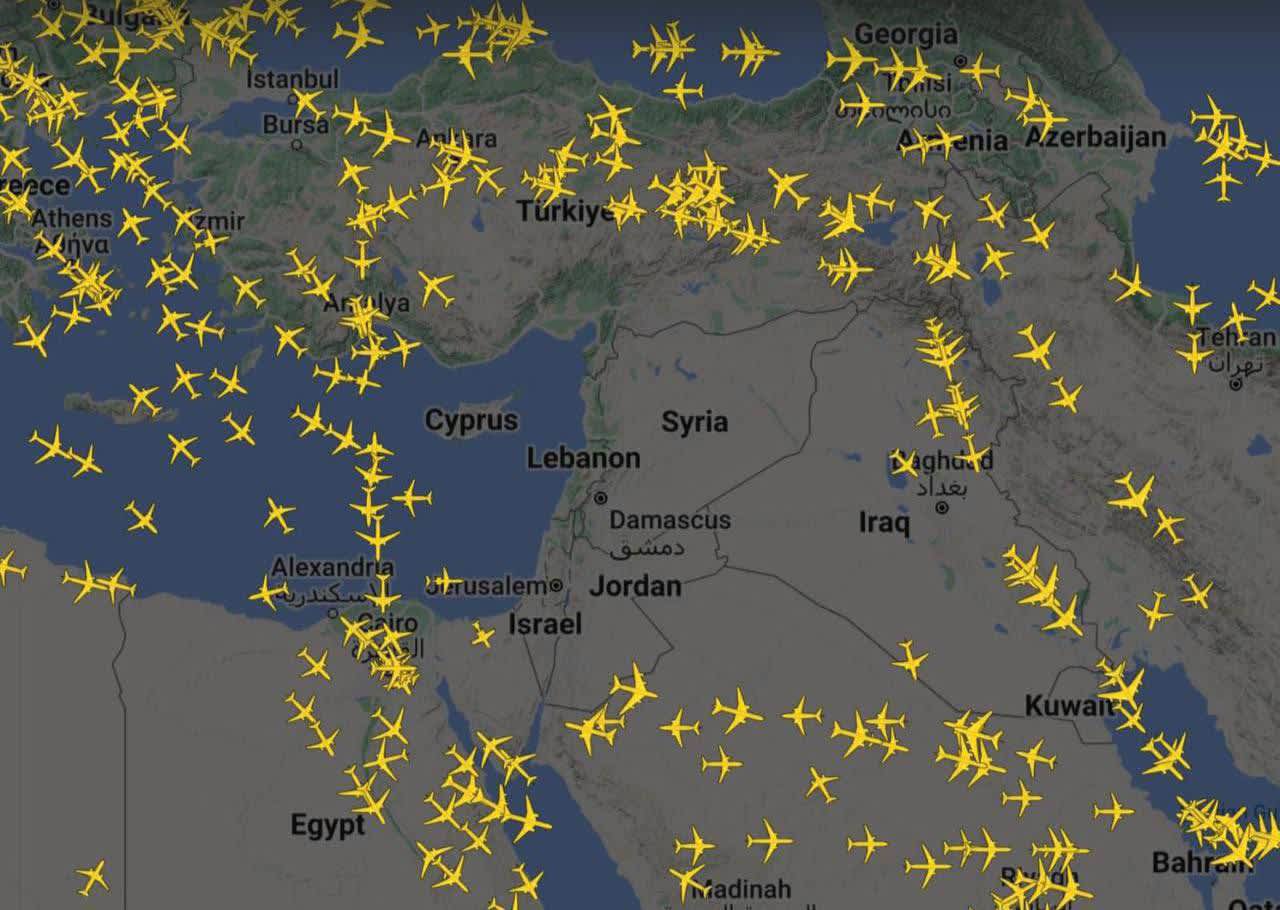
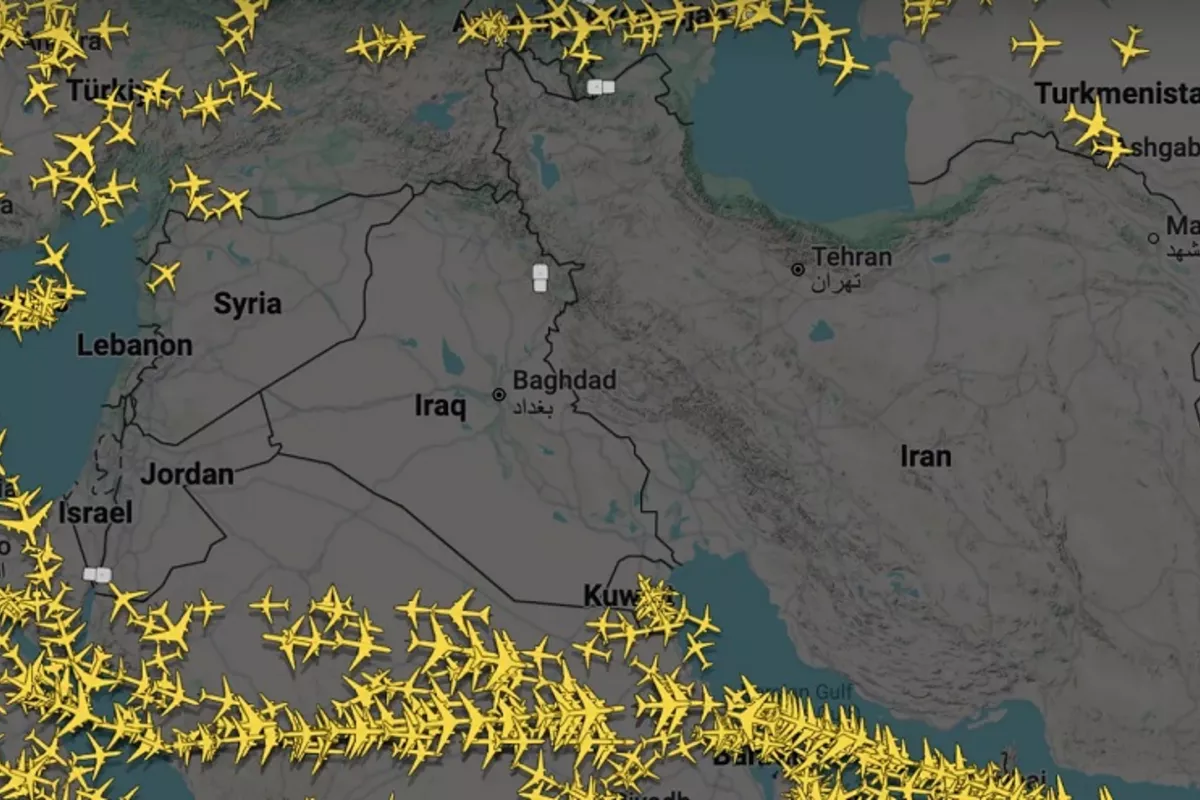

Following the strikes, Israel closed its airspace to civilian flights. Iran also suspended all flights for at least six hours, according to its Civil Aviation Organisation spokesperson.
Iraq’s transport ministry announced it had shut national airspace as a precaution after the Israeli attack.
Pakistan Issues Travel Advisory
In response to the escalating situation, Pakistan’s Foreign Office urged citizens to avoid non-essential travel to Iran and advised those currently residing there to exercise caution and remain in contact with Pakistani missions.
The advisory comes amid fears that the conflict could widen, especially after Iran warned it would retaliate against American bases in neighbouring countries if attacked.
Diplomatic Efforts at Risk
The latest strikes follow renewed negotiations between Washington and Tehran in February aimed at resolving their decades-long nuclear dispute through diplomacy.
Israel had insisted that any agreement must include dismantling Iran’s nuclear infrastructure and restrictions on its ballistic missile programme. Tehran, however, maintained it was willing to discuss nuclear curbs in exchange for sanctions relief but rejected linking talks to its missile capabilities.
The escalation also follows a 12-day air war in June, during which the US joined Israeli operations targeting Iranian nuclear installations — marking the most direct American military action against Iran to date.
Iran later retaliated by firing missiles at the US Al Udeid Air Base in Qatar.
Western powers have long argued that Iran’s ballistic missile programme threatens regional stability and could eventually carry nuclear warheads, allegations Tehran denies.