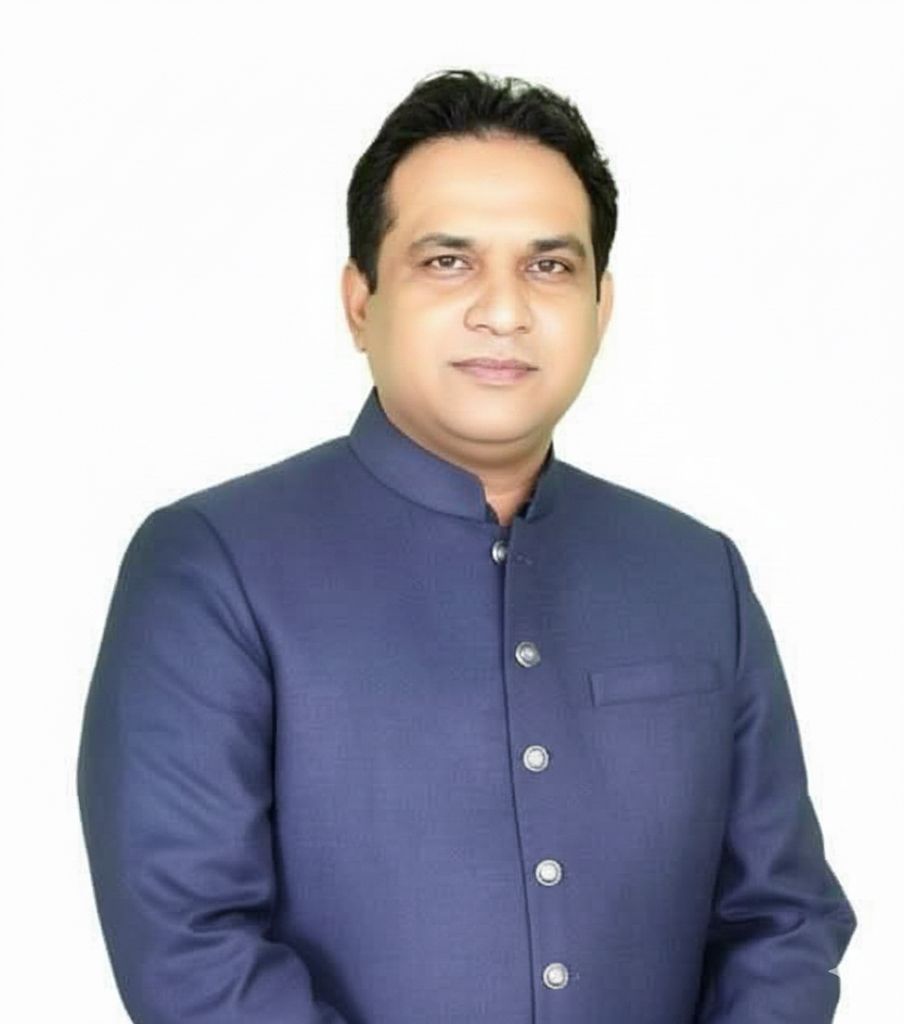



Written by Rana Farooq Ashraf
A nation survives its hardest moments not merely through strength of arms, but through strength of conviction. Pakistan today stands at such a moment. Surrounded by regional uncertainty and challenged by evolving forms of terrorism, extremism, and hybrid warfare, the country once again looks toward its most reliable shield — the Pakistan Army — and, just as importantly, toward the unity of its people.
Read also: Coordinated leadership shapes Pakistan’s regional and national role
For decades, the Pakistan Army has stood guard over the nation’s frontiers and its internal peace, often at an immeasurable human cost. From the mountains and borderlands to urban counter-terrorism operations, soldiers have fought an enemy that does not always wear a uniform and does not always fight by rules. Every fallen soldier represents not only a life lost, but a family changed forever — a mother who waits, a child who grows up with a memory instead of a presence. These sacrifices are the moral foundation upon which Pakistan’s security rests.
Yet, history teaches us a clear lesson: no army, regardless of its professionalism or courage, can succeed without the unwavering support of its nation. Guns can defeat militants, but only unity can defeat the ideology that breeds them. Today’s threats are not confined to battlefields; they infiltrate screens, conversations, and perceptions. Disinformation, digital propaganda, and political confusion have become weapons aimed at weakening trust between the people and their institutions.
This is where the role of the people becomes decisive. Supporting the Pakistan Army does not mean abandoning democratic values or silencing debate. It means exercising responsibility — rejecting false narratives, refusing to glorify violence, and understanding the difference between criticism and character assassination. It means standing up when national institutions are deliberately undermined by hostile agendas disguised as dissent.
The people serve the army when they honor martyrs not only with words, but with care for their families. They serve the army when they cooperate with law enforcement, remain vigilant in their communities, and deny extremists the social space they need to survive. They serve the army when parents teach children patriotism rooted in unity, not hatred, and when citizens choose national interest over personal or political gain.
Political leadership must give direction to this national sentiment, and this is where responsible democratic forces matter most. The Pakistan Peoples Party has consistently played a stabilizing role by standing firmly with the Pakistan Army on issues of national security while upholding the constitution and parliamentary supremacy. This approach reflects political maturity — understanding that a strong army and a strong democracy are not competitors, but partners.
President Asif Ali Zardari’s leadership has reinforced this principle. By providing constitutional backing and political continuity for counter-terrorism efforts, he has emphasized that national defense is a collective responsibility of the state. His repeated assertion of standing “shoulder to shoulder” with the armed forces sends a clear message: Pakistan’s political leadership will not leave its defenders isolated or politicized in moments of crisis.
Chairman Bilawal Bhutto Zardari has further strengthened this bond by giving voice to the moral dimension of the fight against extremism. His firm rejection of terrorism, appeasement, and violent narratives reflects an understanding that this struggle is not just about territory, but about the soul of the nation. By openly acknowledging the sacrifices of the armed forces and aligning democratic politics with national security, he has helped bridge a divide that enemies of Pakistan have long sought to exploit.
The Pakistan Peoples Party’s support for the armed forces is rooted in its historic commitment to Pakistan’s unity and sovereignty. At critical junctures in national history, the party has chosen state interest over short-term politics, recognizing that weakening national institutions only serves those who wish to see Pakistan unstable.
Pakistan’s adversaries understand a painful truth: they cannot defeat the Pakistan Army militarily unless they succeed in dividing the nation politically and socially. Polarization, mistrust, and institutional conflict are therefore promoted with intent. The answer to this strategy is unity — between the people and the army, between political forces, and between democracy and defense.
This is not a time for ambiguity or silence. It is a time for national clarity. Supporting the Pakistan Army today means rejecting extremism in all its forms, strengthening democratic institutions, respecting constitutional order, and standing firmly against those who seek to weaken Pakistan from within or without.
When a nation stands united behind its defenders, it becomes unbreakable. Pakistan’s strength lies not only in its soldiers, but in its people — and in the shared resolve that the future of this country will not be surrendered to fear, division, or chaos.