


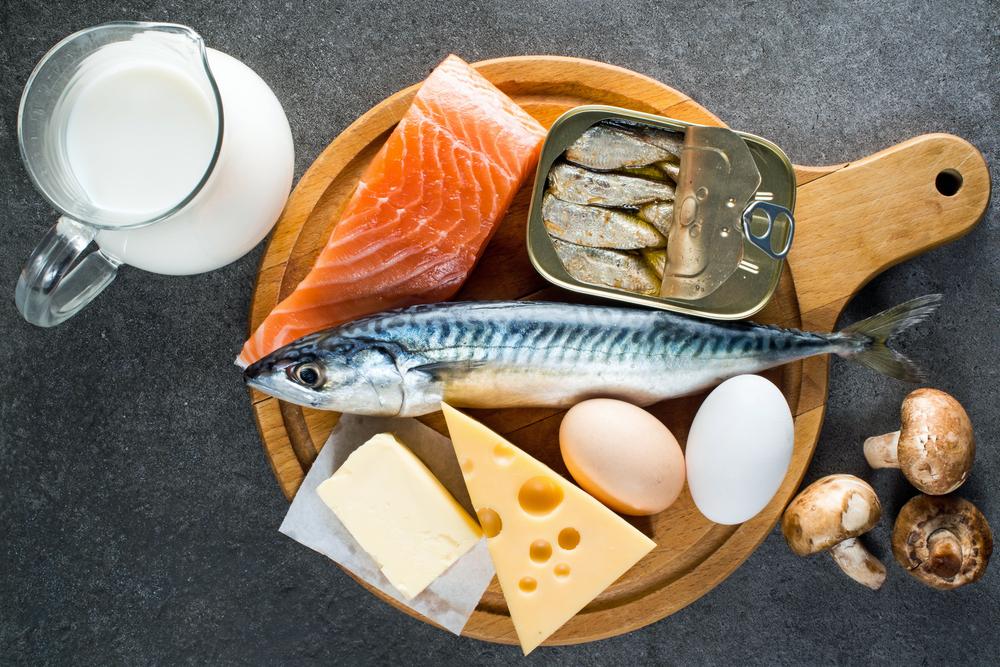
Vitamin D is often called the “sunshine vitamin” because the body produces it when the skin is exposed to sunlight. However, despite Pakistan’s sunny climate, vitamin D deficiency is surprisingly common. Health experts attribute this to indoor lifestyles, limited sun exposure, air pollution and diets lacking vitamin D-rich foods.
Vitamin D plays a vital role in helping the body absorb calcium, which is essential for strong bones and teeth. It also supports muscle function, immunity and overall well-being. A deficiency can lead to weak bones, fatigue, muscle pain and an increased risk of illness.
While many people think of milk as the primary source of vitamin D, several affordable foods commonly found in Pakistani markets can help boost vitamin D intake. Here are seven budget-friendly options that deserve a place in your diet.
1. Egg Yolks
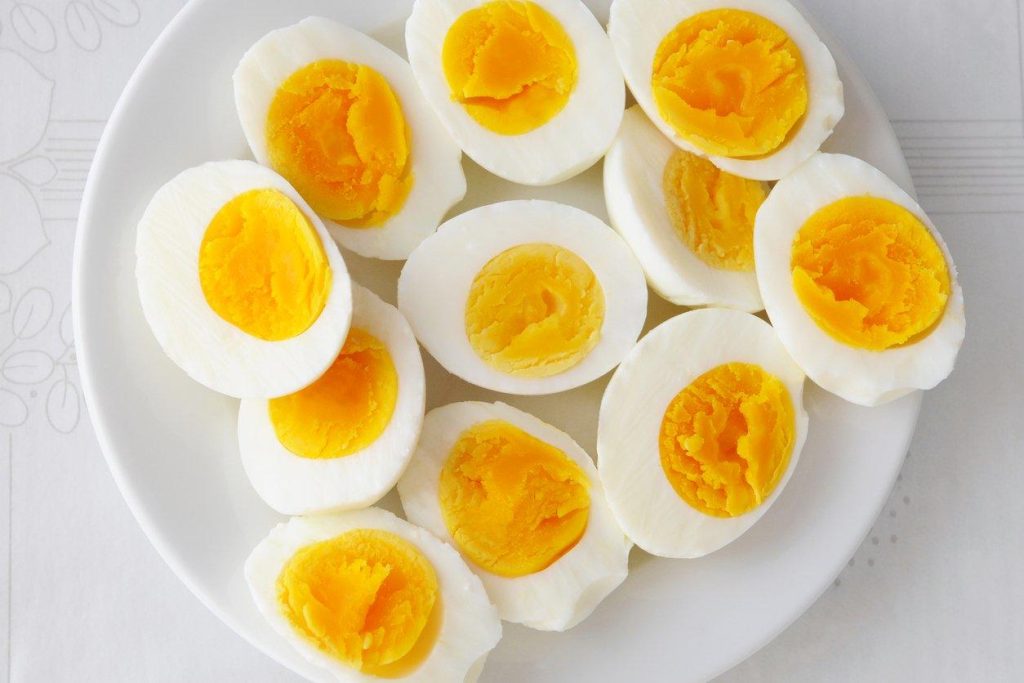
Eggs are one of the most affordable and nutritious foods available in Pakistan. While the egg white contains most of the protein, the yolk is where vitamin D is found.
Eggs are also rich in vitamins A, B12 and selenium. Whether boiled, scrambled or made into an omelette, they are a simple and economical way to support your daily nutritional needs.
2. Rohu Fish
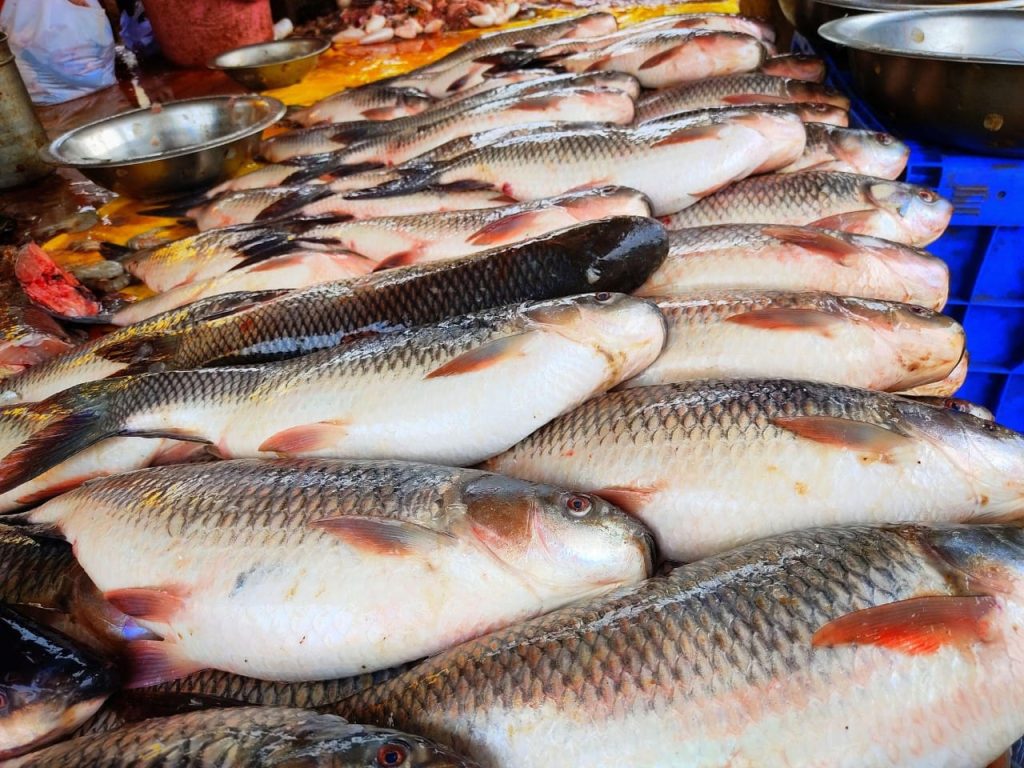
Rohu is among the most commonly consumed freshwater fish in Pakistan and India. It is widely available in local fish markets and provides a good source of vitamin D along with high-quality protein.
Fish is also rich in omega-3 fatty acids, which support heart and brain health. Eating rohu regularly can help improve vitamin D levels while adding variety to family meals.
3. Sardines and Small Oily Fish
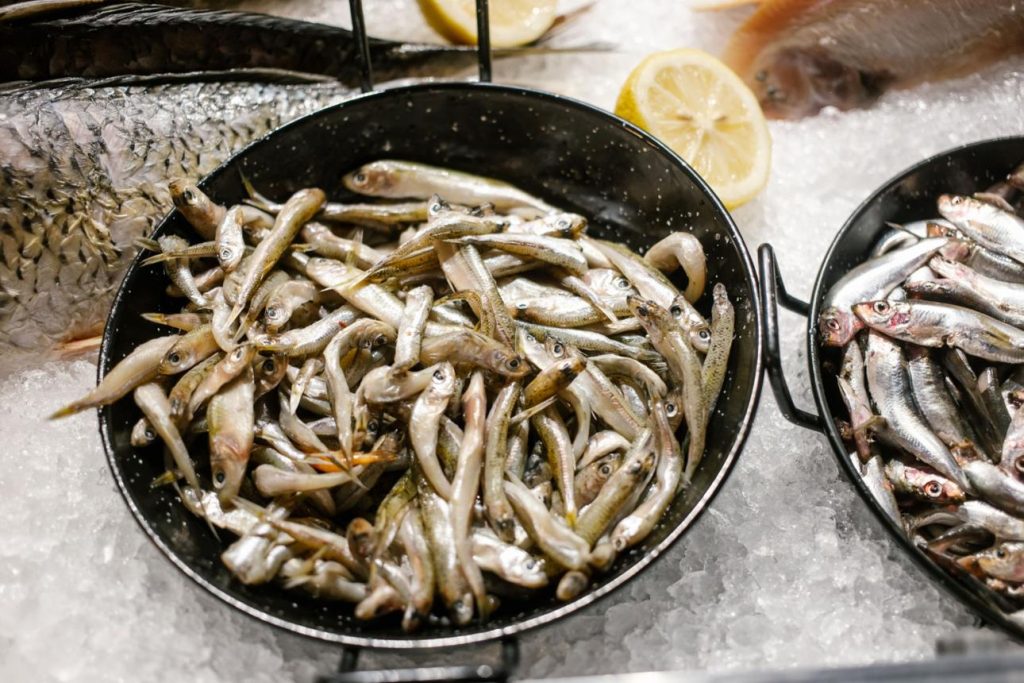
Small oily fish such as sardines are nutritional powerhouses. They contain vitamin D, calcium, protein and healthy fats, making them one of the most nutrient-dense foods available.
Canned sardines are affordable and easy to store, while fresh varieties can be found in many coastal regions. Their high nutrient content makes them an excellent choice for families on a budget.
4 Beef Liver
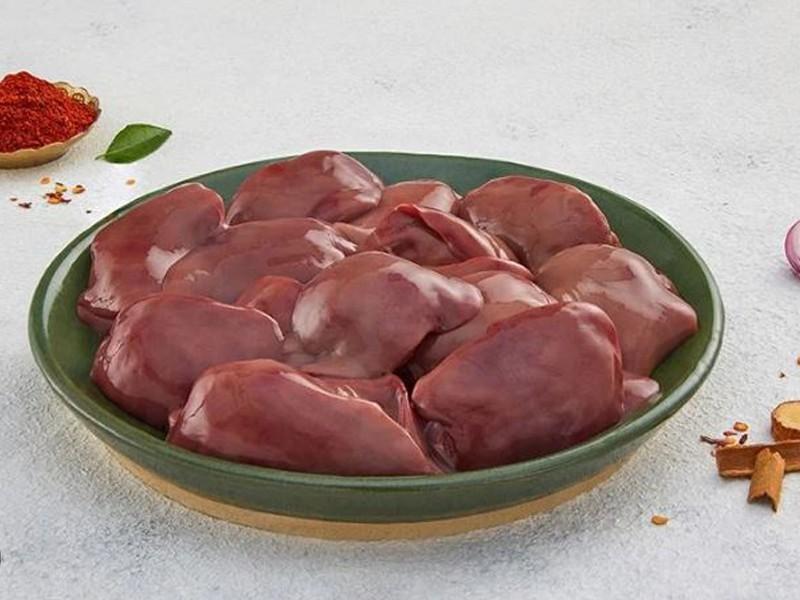
Beef liver is one of the most nutrient-dense foods available and an affordable option for many Pakistani households. In addition to containing vitamin D, beef liver is packed with essential nutrients such as iron, vitamin A, vitamin B12, folate and high-quality protein. These nutrients play a vital role in maintaining healthy blood cells, supporting vision, boosting energy levels and strengthening the immune system. Because vitamin D helps the body absorb calcium, including beef liver in your diet can contribute to stronger bones and teeth. Beef liver is widely available in local meat markets and can be prepared in a variety of traditional Pakistani dishes, making it both accessible and versatile. Although it offers numerous health benefits, it should be consumed in moderation as part of a balanced diet due to its high vitamin A content. For families looking for a budget-friendly way to improve their nutrient intake, beef liver remains one of the most practical and nutritious choices available.
5. Milk and Dahi (Yogurt)
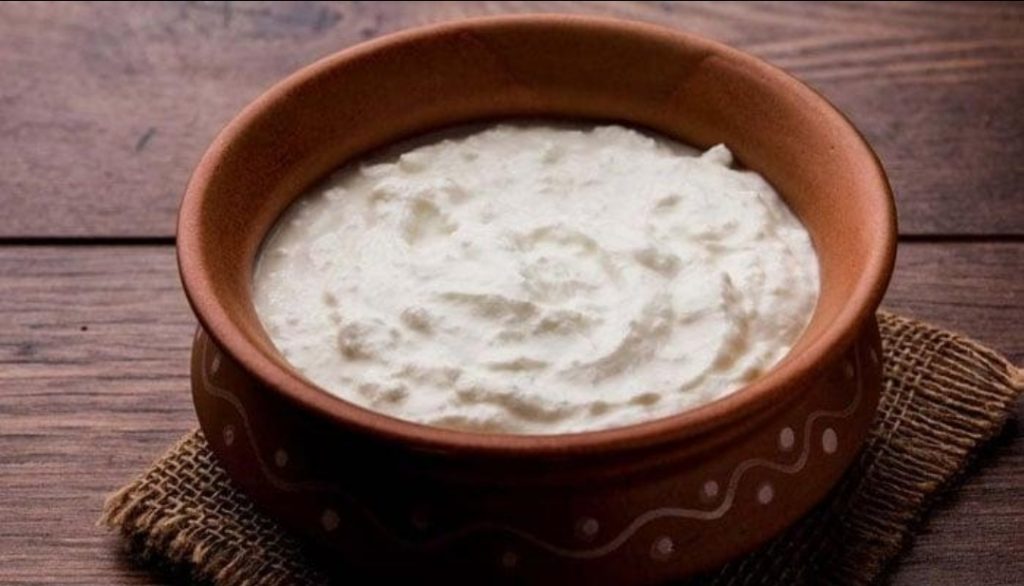
Milk and dahi are staple foods in many Pakistani homes and are more affordable than many fortified products. While they are not among the richest sources of vitamin D, they provide calcium, protein and other essential nutrients that work together to support bone health. Regular consumption of milk and yogurt can contribute to overall nutrition, especially when combined with other vitamin D-rich foods and adequate sunlight exposure. Dahi is particularly popular in Pakistan and can be enjoyed with meals, in lassi, or as a healthy snack. For families looking for economical dietary options, milk and yogurt remain practical choices that are readily available across the country.
6. Chicken Liver
Chicken liver is an inexpensive food that offers a range of essential nutrients, including vitamin D, iron, vitamin A and vitamin B12.
Although not everyone enjoys its taste, chicken liver is highly nutritious and can be prepared in various traditional Pakistani recipes. Its affordability makes it a practical choice for many households.
7. Butter and Desi Ghee
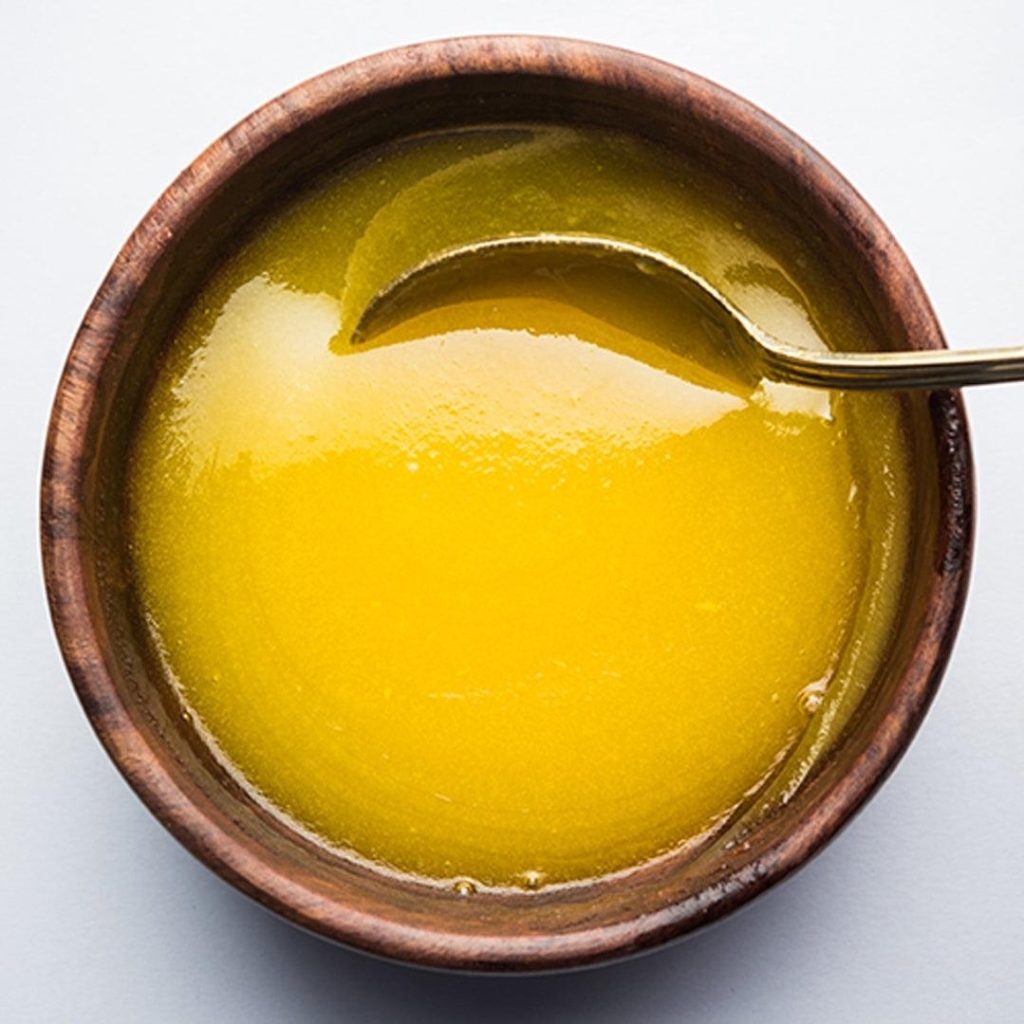
Butter and desi ghee contain small amounts of naturally occurring vitamin D. While they should be consumed in moderation due to their fat content, they can contribute to overall vitamin D intake when used as part of a balanced diet.
Many traditional Pakistani dishes already include ghee, making it an accessible source of this important nutrient.
The Importance of Sunlight

Diet alone may not provide enough vitamin D for everyone. Experts recommend spending 15 to 30 minutes in the morning sun several times a week, depending on skin type and weather conditions. Safe sun exposure helps the body naturally produce vitamin D and complements dietary sources.
The Bottom Line
Vitamin D deficiency remains a major health concern in Pakistan, but improving intake does not have to be expensive. Affordable foods such as egg yolks, rohu fish, sardines, mushrooms, fortified dairy products, chicken liver and desi ghee can help support healthy vitamin D levels.
Combined with regular sunlight exposure and a balanced diet, these everyday foods can contribute to stronger bones, better immunity and improved overall health.


